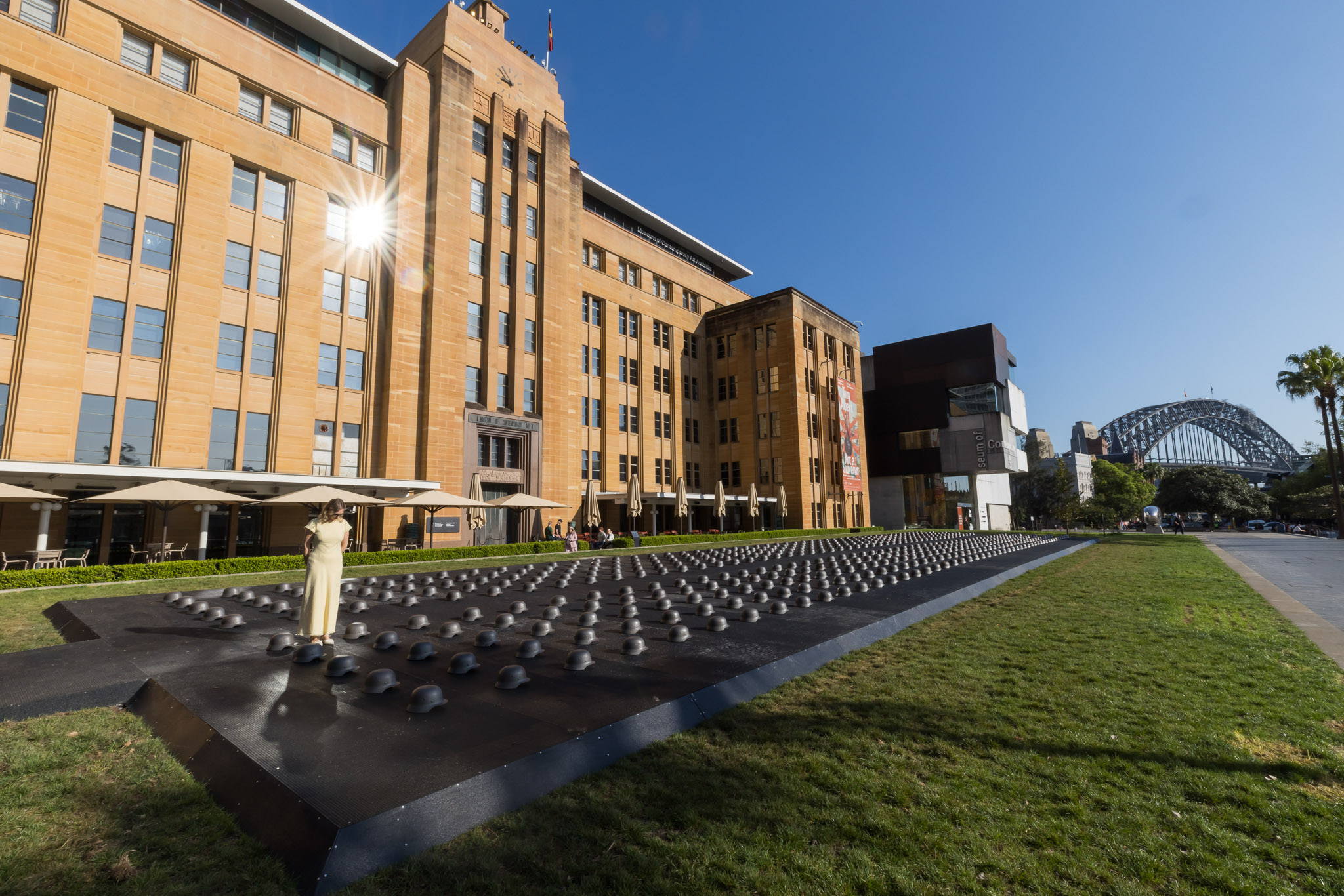
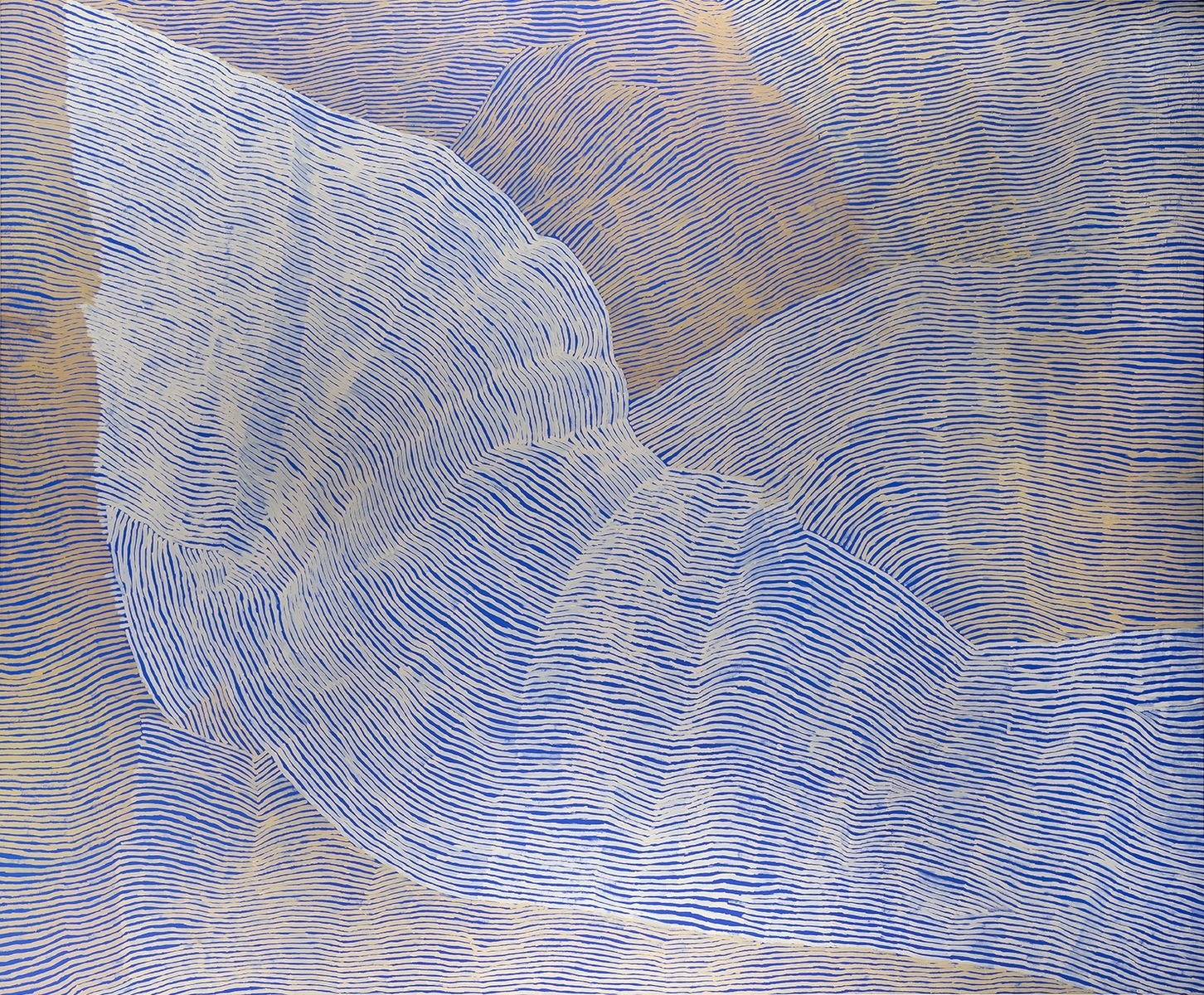
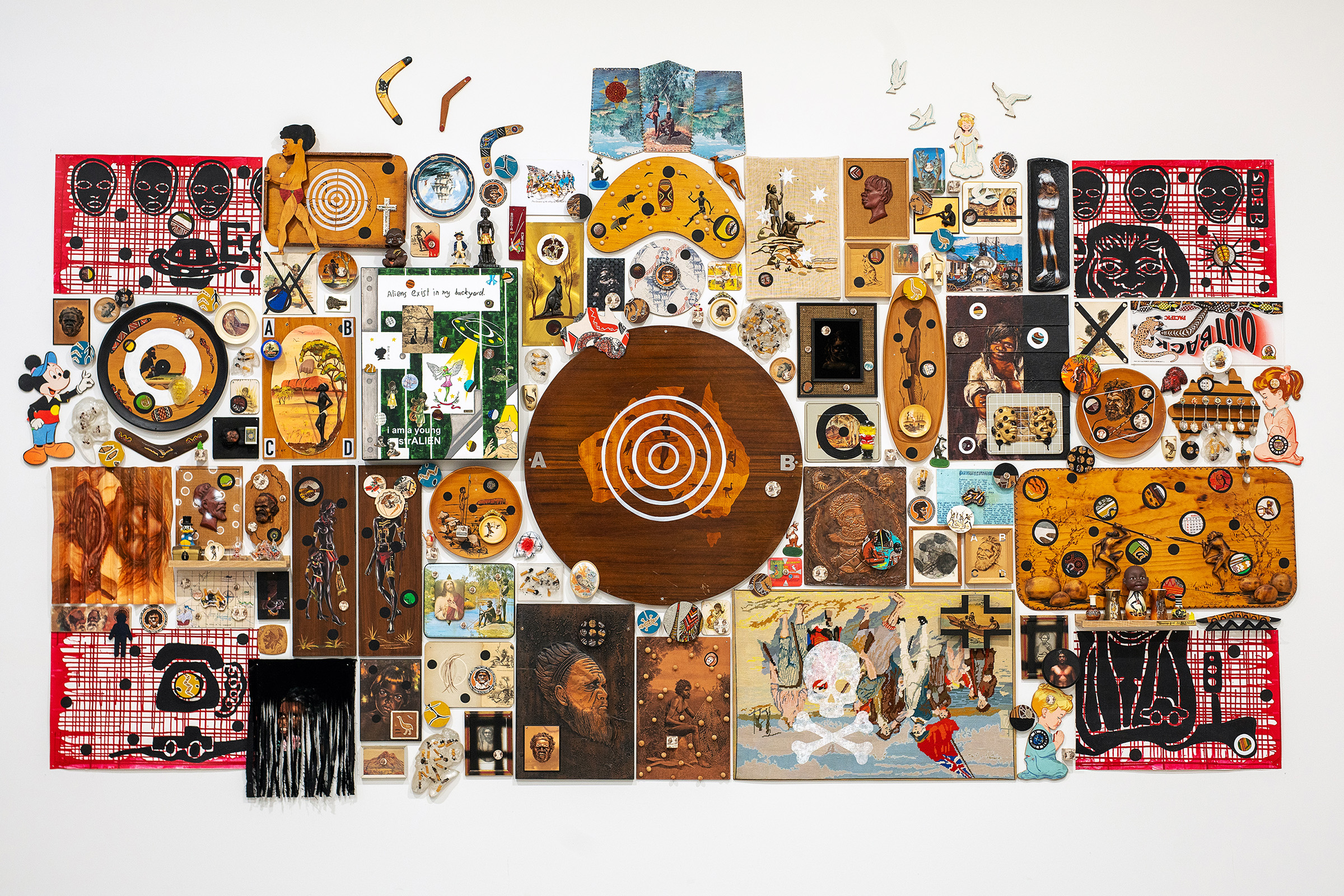
 Image: Tony Albert, Story, Place, 2023, Tia Collection © Tony Albert, image courtesy the artist, Tia Collection and Sullivan + Strumpf, photograph: Rhett Hammerton
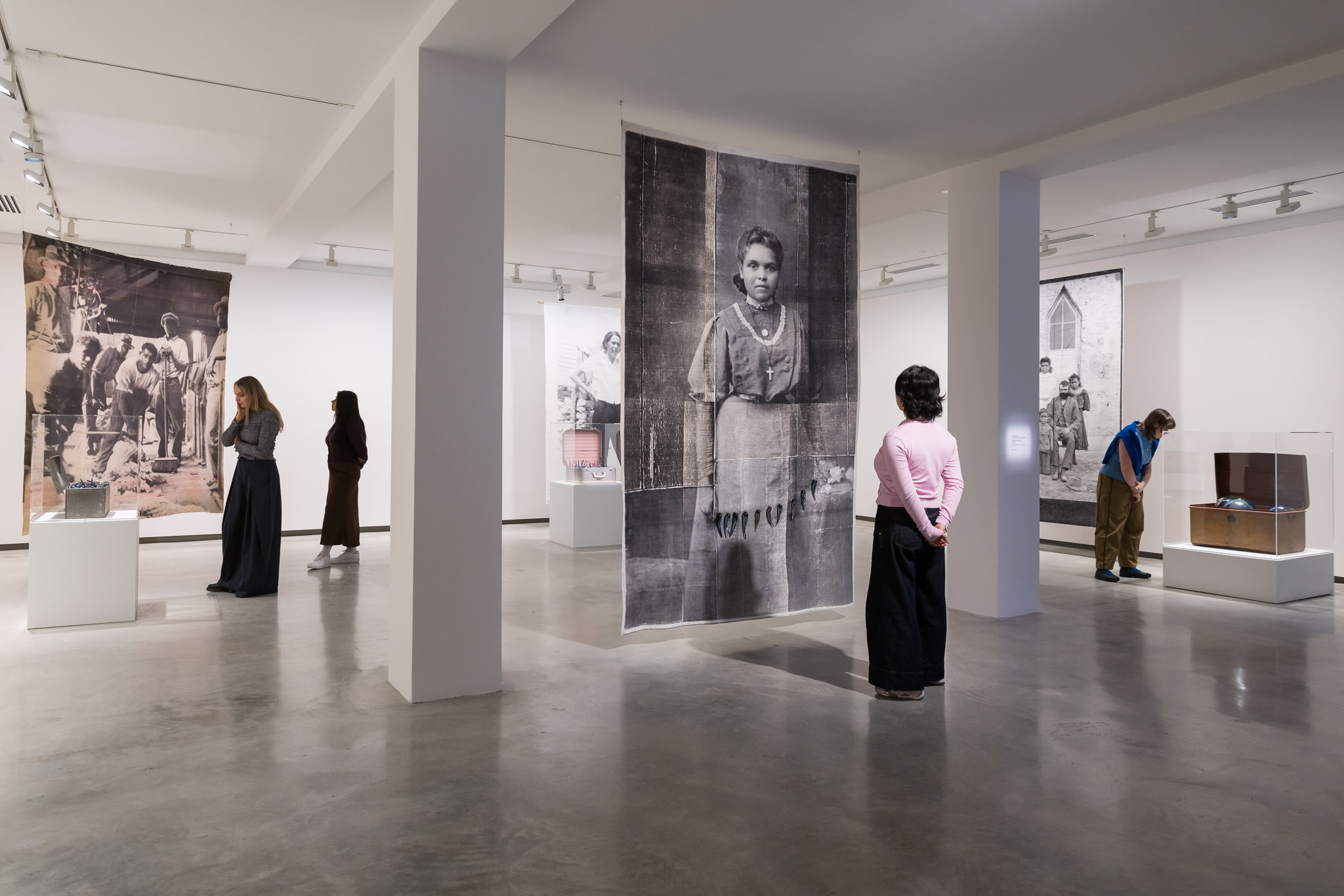
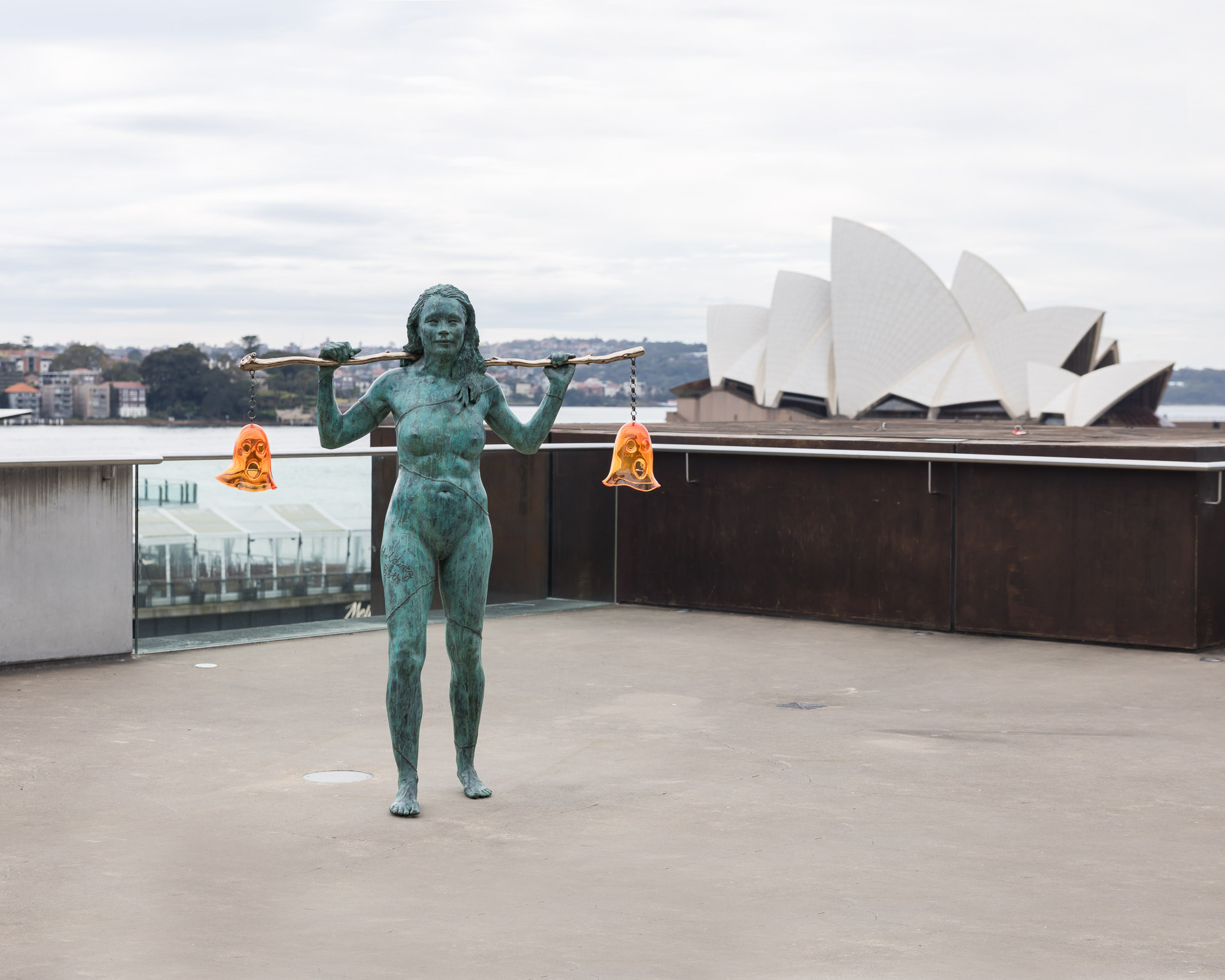
"Tony Albert: Not a Souvenir," the Museum of Contemporary Art Australia's survey of the Girramay, Kuku Yalanji and Yidindji artist, is in its final weeks on Level 3 of the Sydney museum and closes on October 19, 2026. Guest curated by Bruce Johnson McLean, a Wierdi curator, and developed in close collaboration with the artist, it gathers work from across Albert's career in sculpture, photography, installation, painting and assemblage, together with major new commissions.
The exhibition starts from the museum's own location. The MCA stands on Sydney Harbour at Tallawoladah, beside The Rocks, which the museum describes as a deeply significant site of early colonial contact that is now closely tied to tourism and souvenirs. From that setting, the show looks at how Aboriginal people and culture have been turned into commodities and misrepresented, in the past and today, while also celebrating survival and cultural pride.
Born in Townsville, Queensland, in 1981 and now based in Brisbane, Albert has long collected found material. He reclaims popular images of Aboriginal Australia, and his assemblages of so-called "Aboriginalia" rework the visual language of colonisation; according to the museum, they recast objects once used to demean as emblems of resistance and pride. Over two decades he has shown widely and received commissions from the Australian War Memorial, the City of Sydney, Queensland Art Gallery | Gallery of Modern Art, Allianz Stadium and the Public Art Fund in the United States.
Works illustrated on the exhibition page include "Optimism #5" (2008), "Mid Century Modern" (2016), "Brothers (The Prodigal Son) I" (2020), the large wall assemblage "Story, Place" (2023), in the Tia Collection, and the recent "Not a Souvenir #1" (2025).
Alongside the show, the MCA has run an "Aboriginalia Appeal," inviting the public to donate such objects to the artist to support his work against stereotypes. Guided tours of the exhibition continue during its final weeks. The project has been assisted by the Australian Government through Creative Australia.