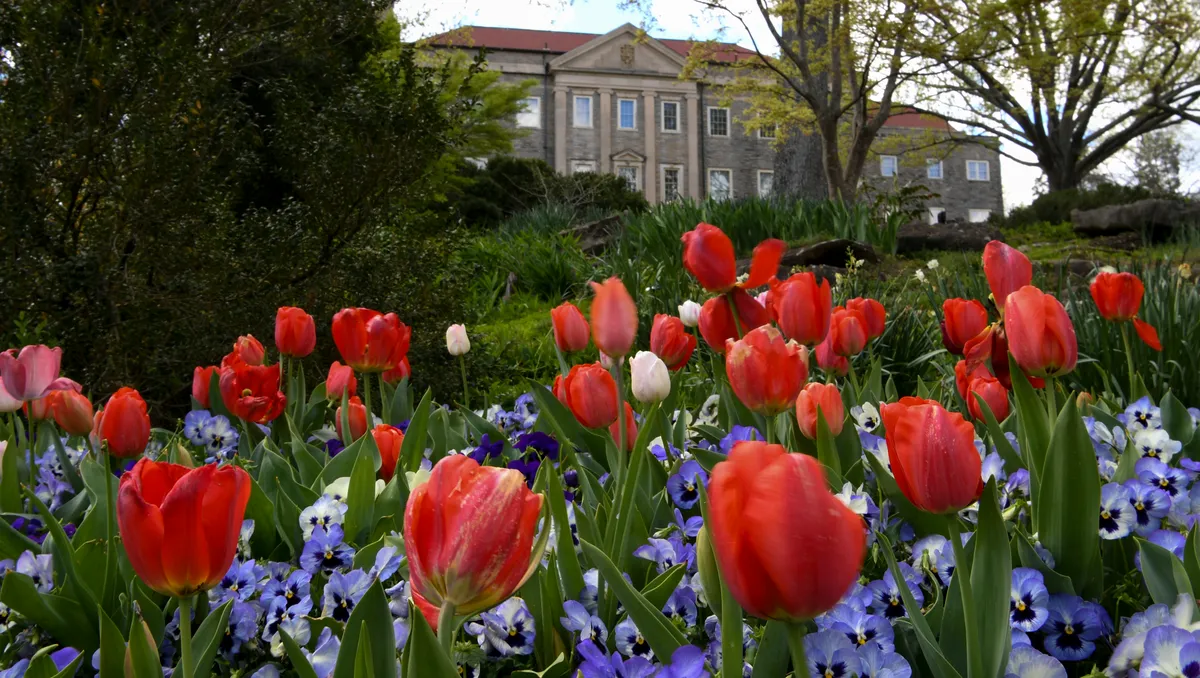
 Image: Cheekwood Botanical Garden and Museum of Art, Nashville
A legal appeal over a new parking facility at Cheekwood Estate & Gardens has escalated into a broader fight over public access to one of Nashville’s most important cultural sites. In an opinion piece published in The Tennessean, Cheekwood says neighbors have filed a formal appeal with the Metro Board of Zoning Appeals targeting the institution’s parking plan and seeking to stop construction and further public use of the property.
The dispute matters well beyond a local land-use argument because Cheekwood is both a museum and a major community venue. The institution says it operates on 55 acres of botanical gardens and offers year-round cultural programming, art exhibitions, school field trips and seasonal events that have become familiar Nashville traditions. According to the piece, those programs include Cheekwood In Bloom, El Día de Los Muertos and Holiday LIGHTS.
Cheekwood argues that parking is central to its ability to function as a nonprofit. The institution says it was formed without an endowment and relies on visitor revenue to keep its gates open. It also says it had previously used adjacent parkland for overflow parking for more than 40 years through a partnership with Metro Parks, and that it is now moving all parking onto its own property under a new memorandum of understanding with Metro Nashville.
The opinion piece says the current parking facility is city-mandated and that the institution has been making progress on the project. But it warns that the legal challenge could halt construction and, if successful, could force Cheekwood to turn away visitors and cancel seasonal programs. The piece frames the issue as existential for the institution, saying a stop-work order and interruption of public access could threaten its continued operation.
The argument has broader significance in Nashville because it places a long-established arts and gardens institution in the middle of tensions over growth, traffic and neighborhood change. Cheekwood notes that it sits in Belle Meade, near other heavily visited attractions including Warner Parks. The institution says it has reduced visitor attendance by 15% over the past five years and has introduced timed ticketing and rideshare discounts as part of efforts to manage traffic.
The piece also points to ongoing transportation planning by the Nashville Department of Transportation, including the possibility of a shared-use Highway 100 access drive, which Cheekwood says it supports. That context suggests the parking controversy is not only about one site, but about how the city balances access to cultural amenities with neighborhood concerns in a rapidly growing metro area.
In response to the legal challenge, Cheekwood says it has launched a "SAVE CHEEKWOOD" campaign to rally public support and urge city leaders to help preserve the institution’s access. For the wider art world, the dispute is a reminder that museums and cultural landscapes often depend on unglamorous infrastructure decisions just as much as on exhibitions and programming. When access is contested, the survival of the institution itself can quickly become part of the story.

!['Shimmer: Dreaming the Posthuman' to Open at the Frist Art Museum[f1][f2]](/uploads/newsletter-12548-0e30af0095de.jpg)