 Image: High Museum of Art, New York
The High Museum of Art has opened 'Isamu Noguchi: “I am not a designer”', an exhibition running April 10 through August 2, 2026, that examines how the sculptor moved across furniture, lighting, architecture, playgrounds and public space over the course of his career. According to the museum, the show approaches Noguchi’s work through design as a framework, rather than treating those projects as secondary to his sculpture, and brings together models, prototypes, plans and completed works.
The exhibition is organized by the High Museum of Art, Atlanta. In its presentation, the museum points to a 1949 interview in which Noguchi said, “I am not a designer,” while noting that in the forty years after that statement he created some of the most innovative designs of the twentieth century. The show is structured thematically in three sections: 'Making Multiples', which focuses on industrial manufacturing and reproducibility; 'Elements of Architecture', which considers the expansion of his design thinking into architectural principles; and 'Shaping Spaces', which looks at civic scale and outdoor projects.
The installation emphasizes collaboration as part of Noguchi’s process. The museum says that architects, clients, corporations, fabricators and other creative practitioners contributed to almost all of the works on view. The exhibition also frames these partnerships as central to Noguchi’s interest in “generous, inclusive space,” a phrase used in the museum’s description of the show. That approach places design, public use and artistic experimentation in close dialogue across the galleries.
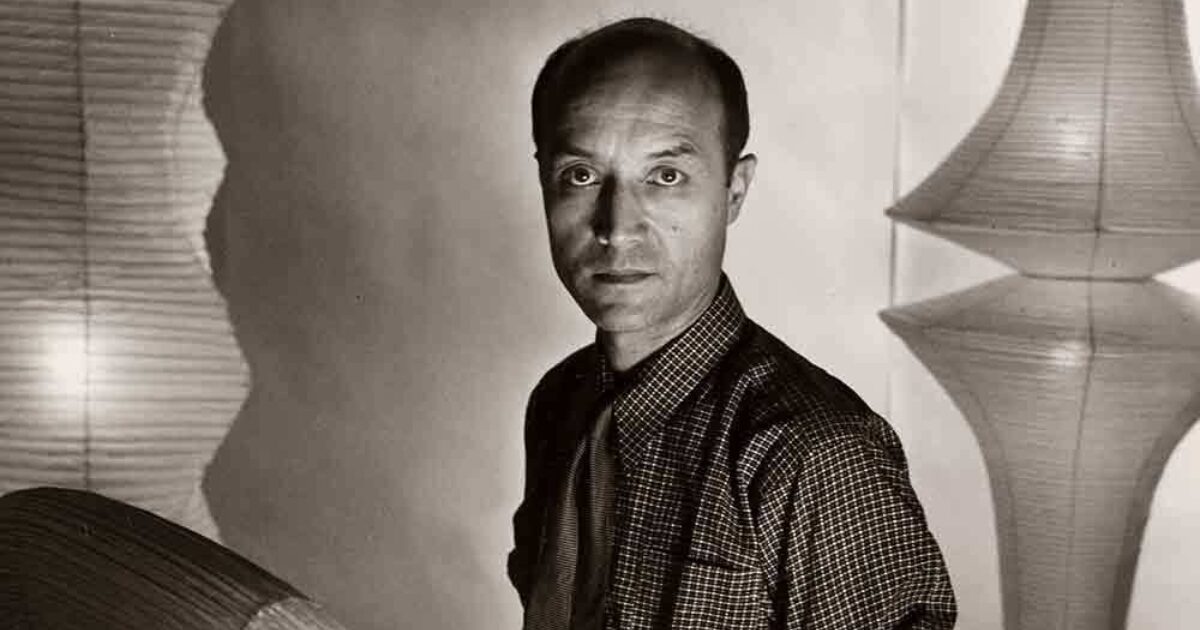
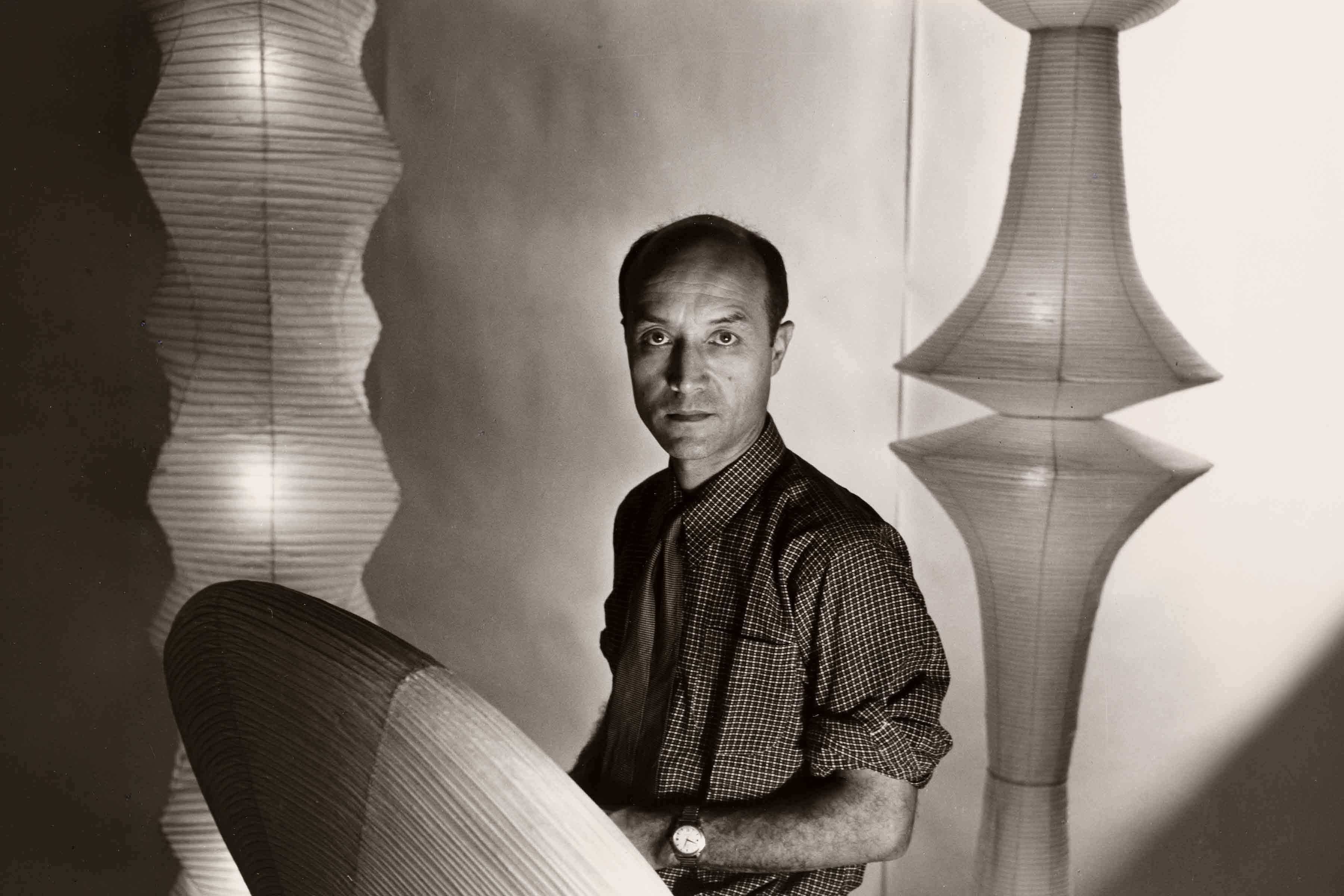
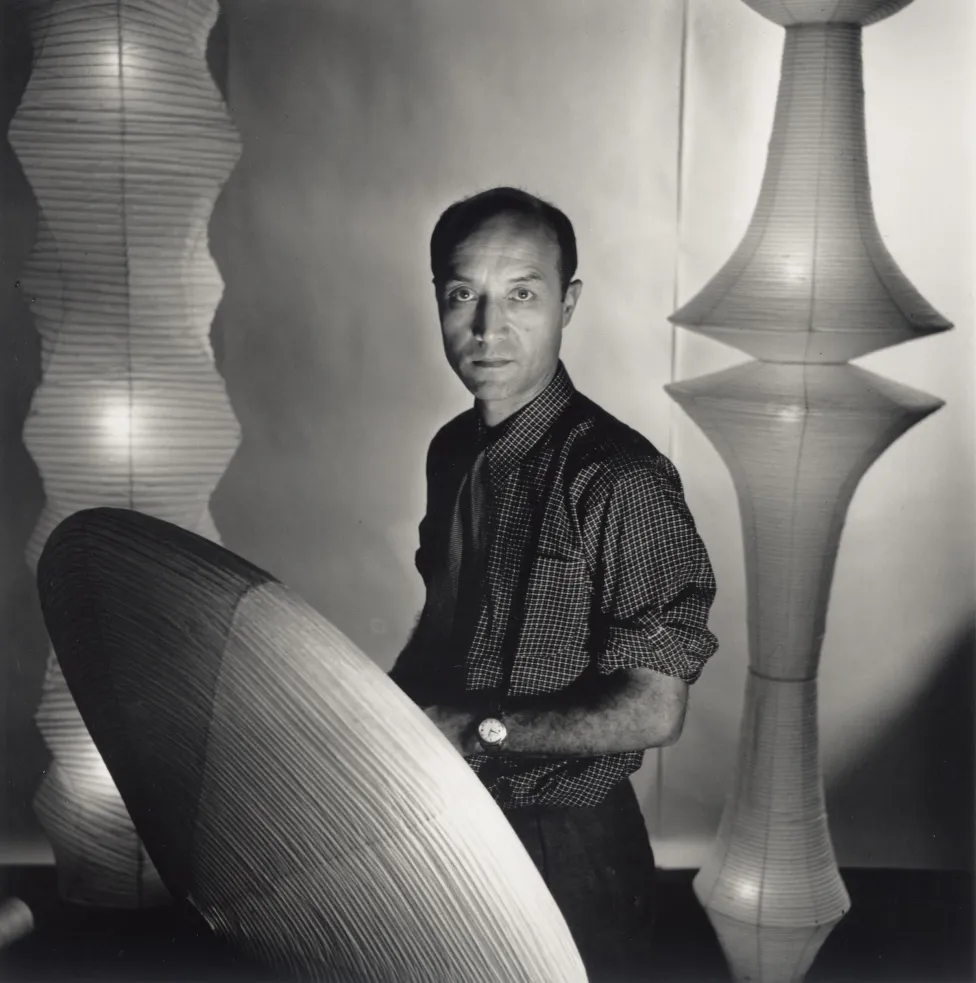
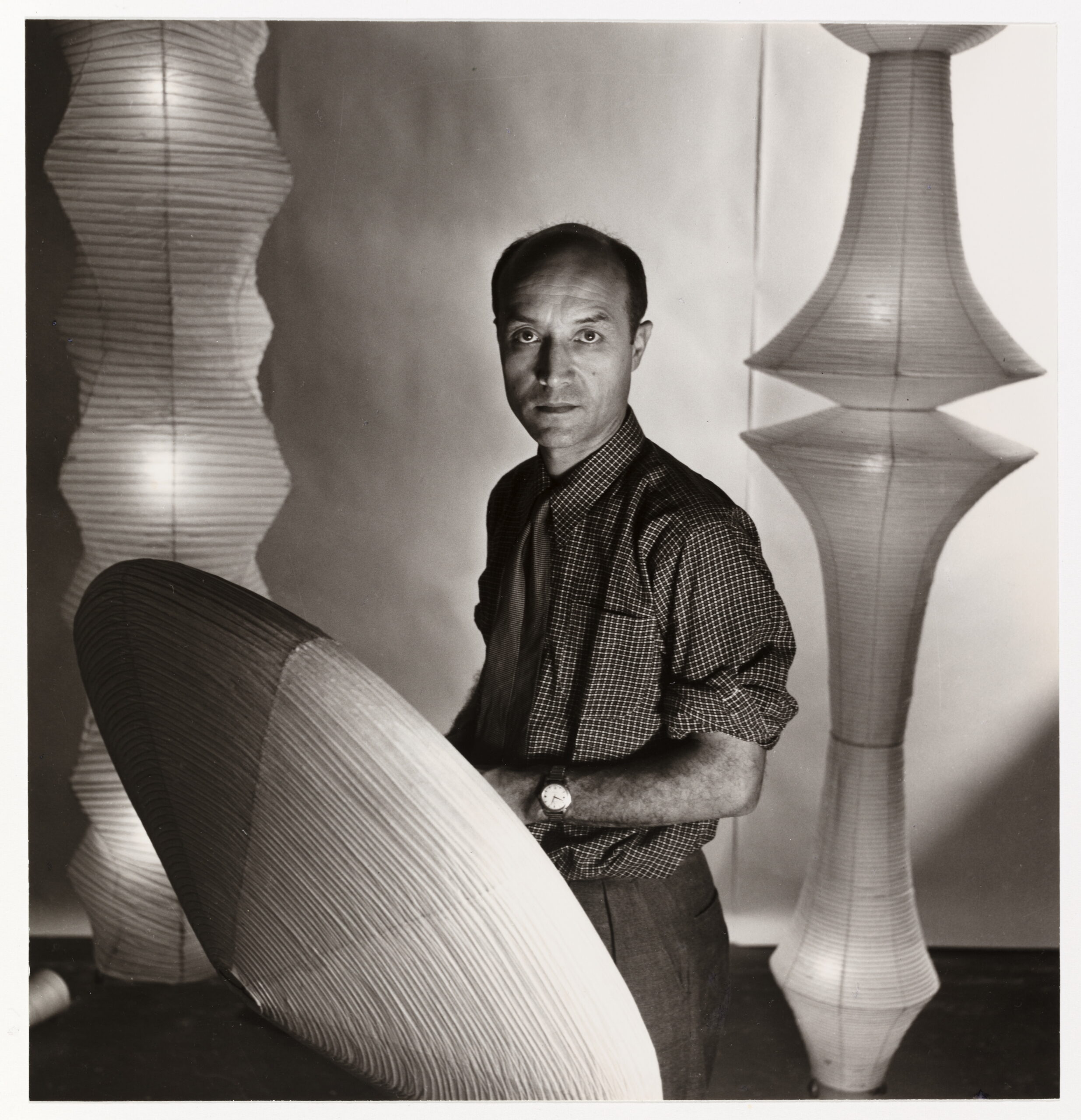
Among the works highlighted are the 'Coffee Table (IN-50)', designed in 1944 and made circa 1947–1953; 'Floating Lunar (Light Plaque)', 1943–1944; and 'Akari (model 1A)', designed 1951–1954 and fabricated circa 1954. The museum also includes a model for the unrealized 'House for Liam O’Gallagher and Robert Rheem' from 1955, 'Seraphic Dialogue' from 1955, a model for the unrealized 'Play Mountain' from 1933, and a model for the unrealized US Pavilion at Expo ’70 from 1968.
The display gives particular attention to process. Rather than presenting finished objects alone, it uses models and prototypes to show how ideas were tested and revised. The museum notes that not all the projects were fully realized, but says they were all critical to Noguchi’s artistic evolution. 'Play Mountain' receives special emphasis: the museum describes it as a radical monument to open-ended play and community, and says the original plaster model, long missing, is now on view for the first time in nearly a century.
A related work in the exhibition links Noguchi’s design history to Atlanta itself. The High identifies the 'Coffee Table (IN-50)' on view as having been acquired by a local family through Rich’s Department Store around 1953. The museum also includes 'Playscapes' in its exhibition text, noting that the playground opened in Piedmont Park in May 1976 as a bicentennial gift for the city and that it was developed in concert with the City of Atlanta Parks Department. Recently restored for its fiftieth anniversary, 'Playscapes' remains part of Noguchi’s legacy in the city.
The High lists the exhibition’s run through August 2, 2026, with tickets priced at $23.50 for not-yet-members and free admission for members and museum pass holders. Related events include a 'last chance YP night' on July 29 and a public conversation, 'The Design Legacy of Isamu Noguchi', scheduled for August 1, 2026.