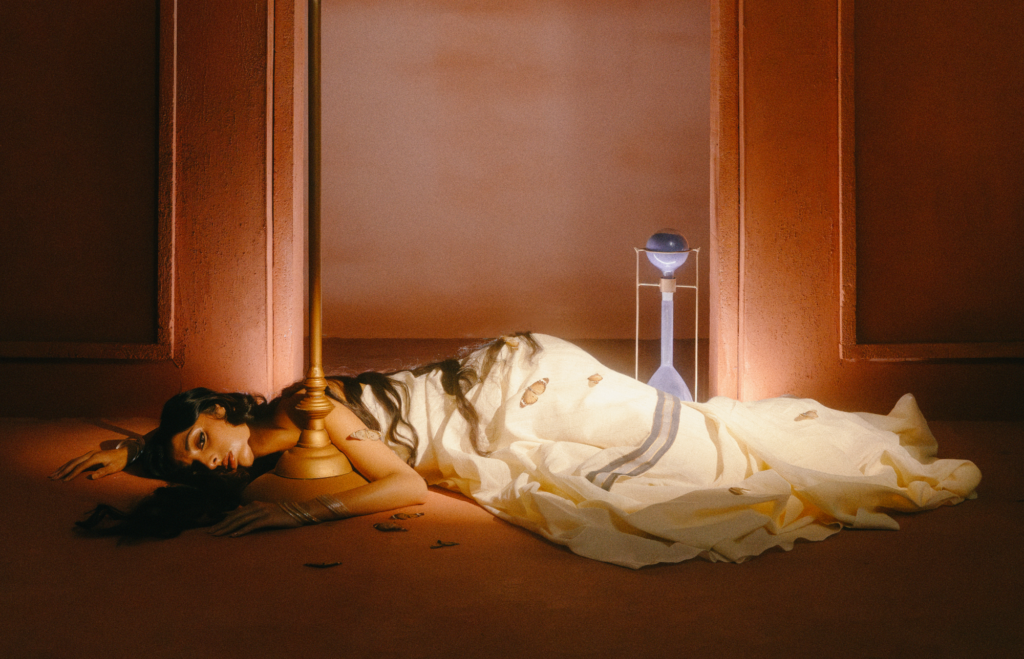
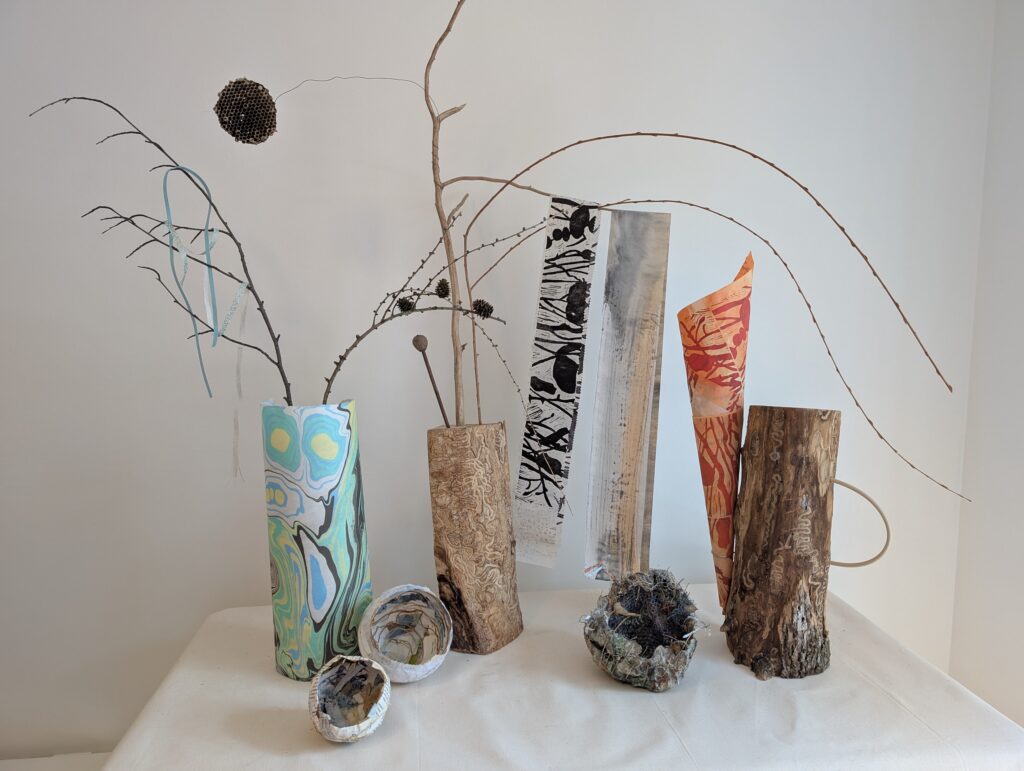
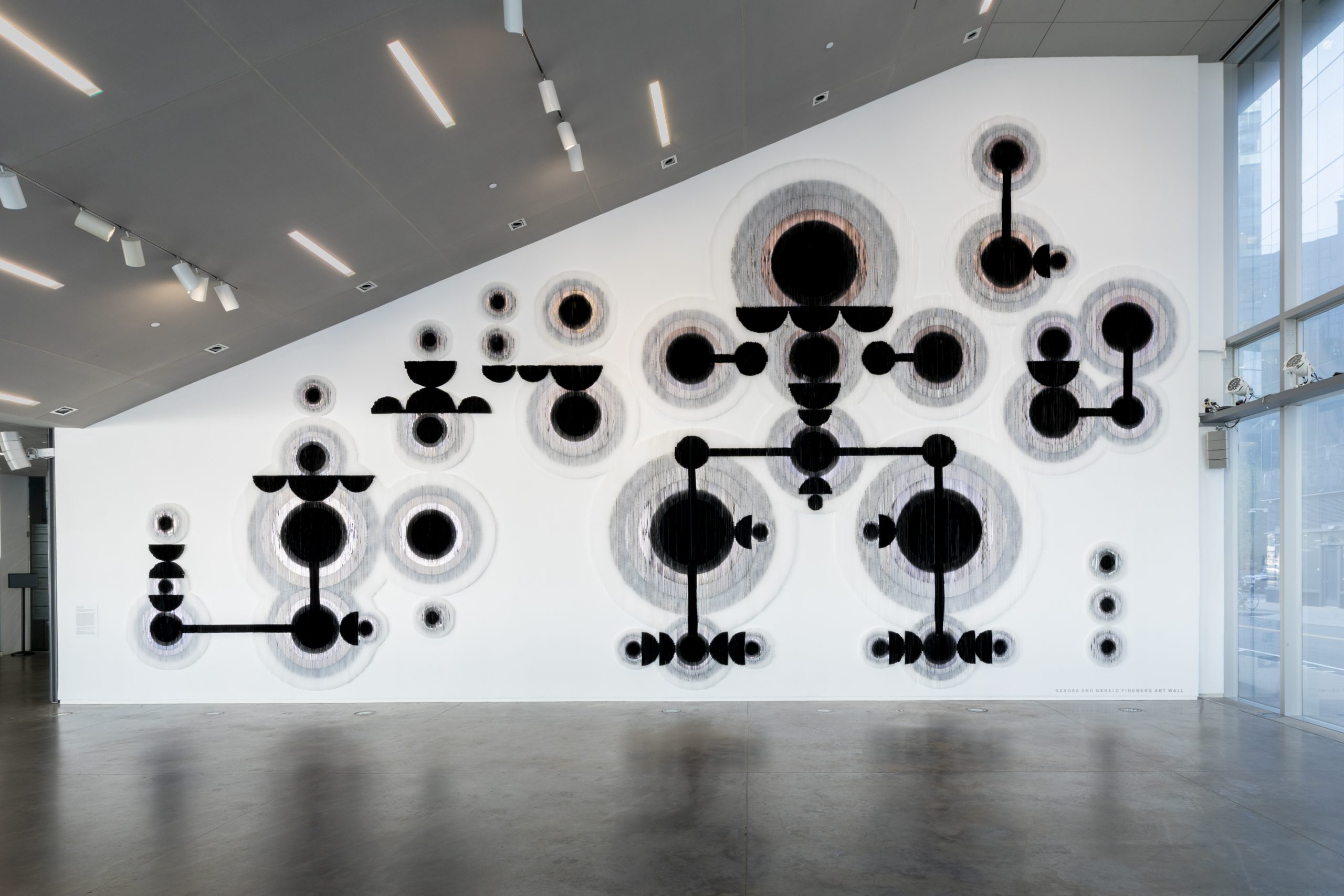
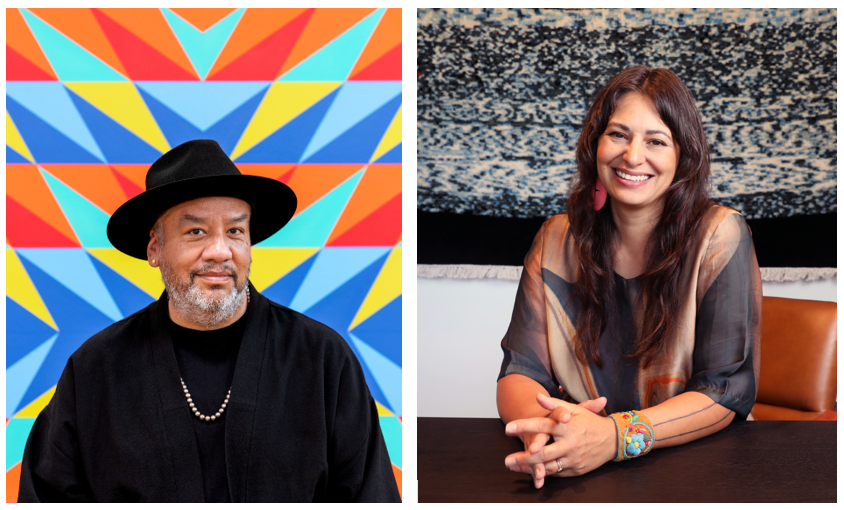
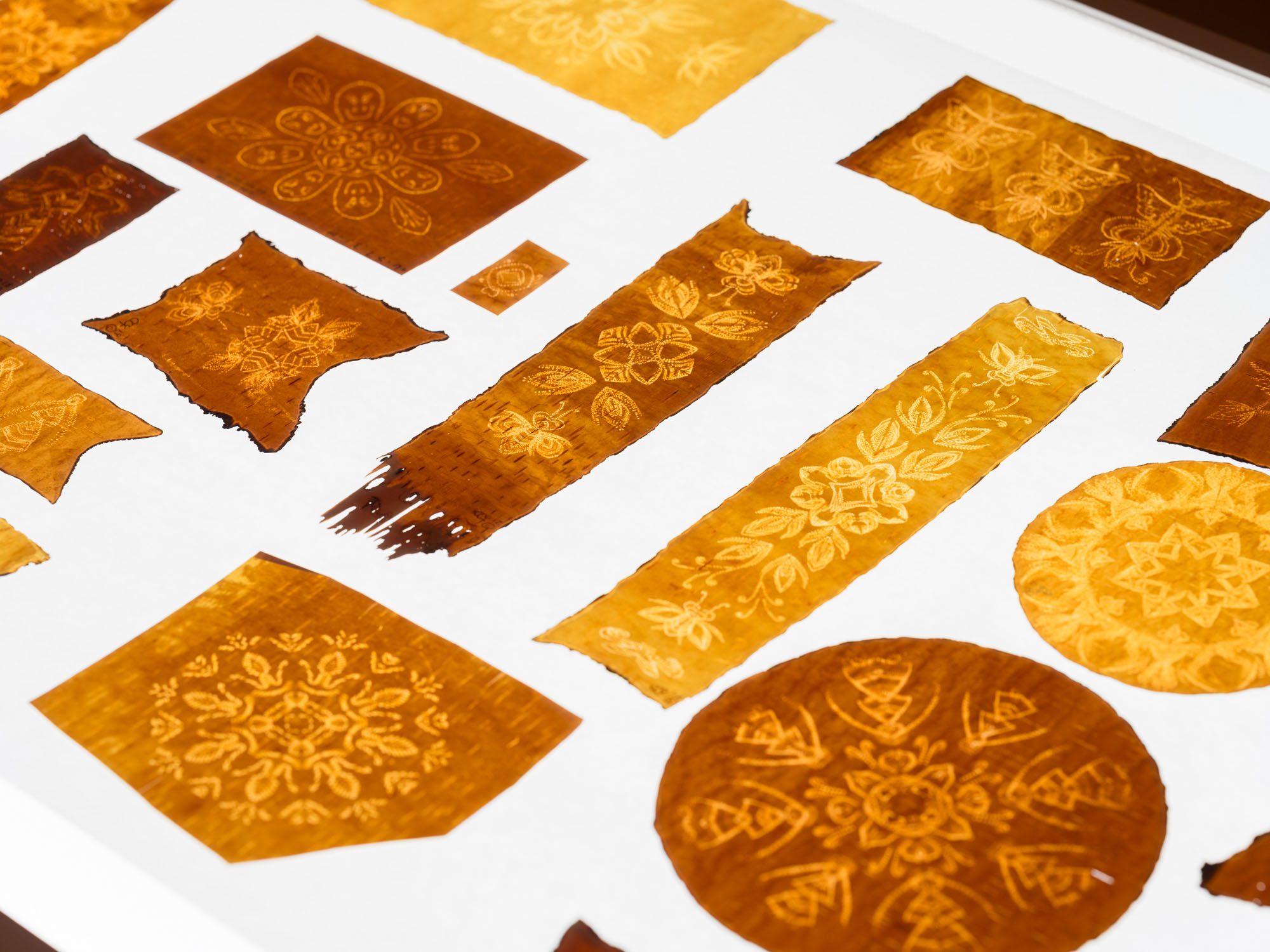
 Image: Wiigwasitig / waskway / Honouring the Birch Tree, Art Gallery of Burlington, 2026. Photo: Darren Rigo
The Art Gallery of Burlington in Ontario is presenting Wiigwasitig / waskway / Honouring the Birch Tree, an exhibition of work by five First Nations artists who take birch bark as their shared material. Curated by Albany Sutherland, it is on view in the gallery's Lee-Chin Family Gallery until 3 January 2027.
The artists, from Anishinaabe and nêhiyaw (Cree) communities, are Pat Bruderer (Halfmoon Woman), Helen Pelletier, Amber Sandy, Seth Arcand and the late Angelique Merasty. Their work spans birch bark biting, basketry, film, photography and wearable art, mixing traditional and contemporary forms around the themes of knowledge passed between generations and healing.
Merasty, born in Beaver Lake, Manitoba, in 1924 and a member of Peter Ballantyne Cree Nation, learned bark biting from her mother, Susan Ballantyne, and developed patterns drawn from plants and animals. Her first solo exhibition was held at the Thunder Bay Art Gallery in 1983, and her work is in the collections of the Museum of Man and Nature in Winnipeg and the Smithsonian Institution. Bruderer, also from Peter Ballantyne Cree Nation and now based in Winnipeg, learned the art form from Merasty, has practised it for more than 30 years and teaches it to young people.
Pelletier, an Anishinaabe artist from Fort William First Nation, has worked with birch bark for two decades, harvesting bark and spruce root herself to make baskets, rifle cases and etched wearable pieces. Sandy, from Neyaashiinigmiing (Chippewas of Nawash First Nation), works with hide tanning, beadwork, tufting and fur; her works in the show include Enchantment, made with porcupine quills gathered across several generations, and Mashkiki, whose title means "medicine" in Anishinaabemowin. Arcand, a Cree filmmaker from kipohtakaw Cree Nation in Alberta, contributes photographs, 16mm film and digital video on how people relate to the birch, made in a deliberately slow way grounded in the nêhiyaw principle of wahkohtowin, the relationship between people, land, animals and water.
According to the gallery, the exhibition shows how Indigenous knowledge is being actively revived: although the passing on of cultural practices has been disrupted, each artist keeps close community ties and shares their skills with younger generations, and the curator frames the gallery itself as a place of learning and exchange.
The exhibition is part of the gallery's Community Generator series and is supported by TD Bank Group through the TD Ready Commitment, with sponsorship from the Rotary Club of Burlington Lakeshore.