 Image: Getty Villa, Los Angeles
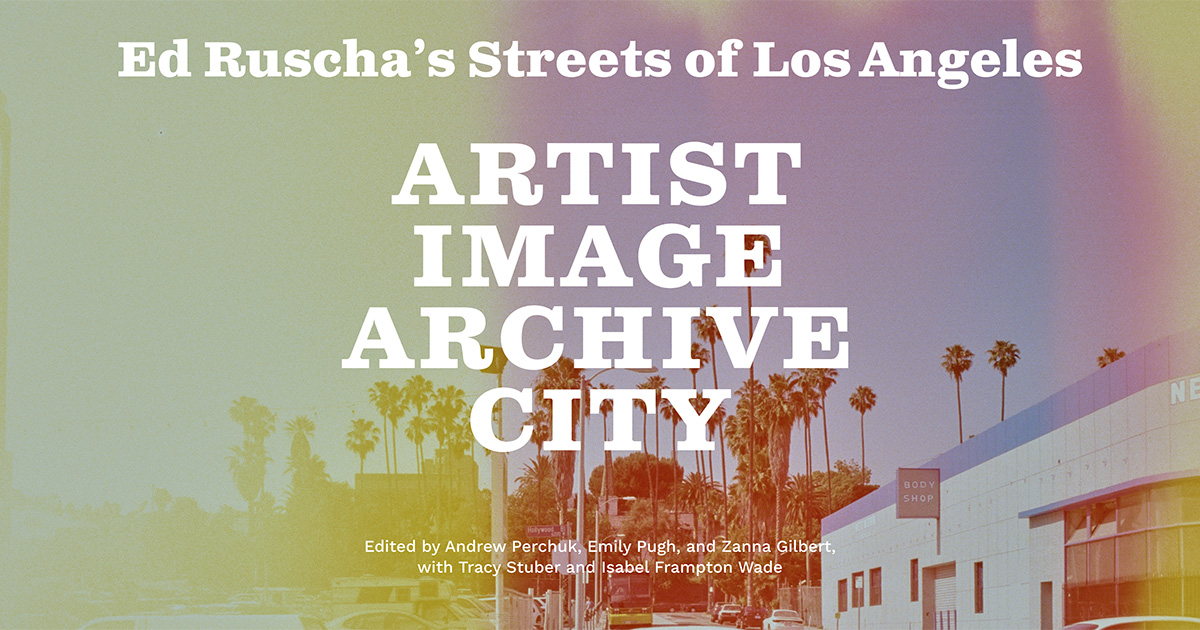
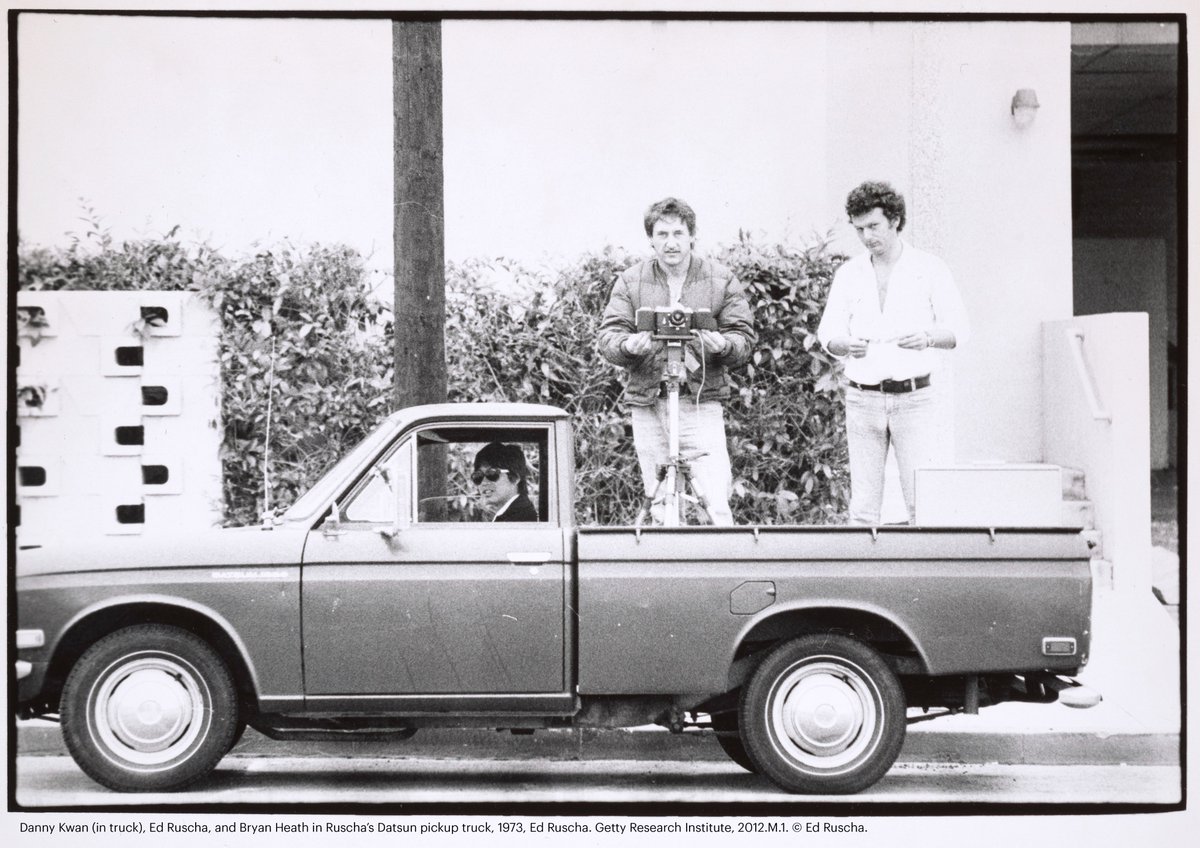
The Getty Villa has highlighted a key moment in Ed Ruscha’s long engagement with Los Angeles: his 1966 drive along Sunset Boulevard with a car rigged with a motorized camera. According to the source material, Ruscha used the moving camera to capture one of the city’s most recognizable streets, producing what the Getty describes as a time capsule of its famed facades.
The project sits within Ruscha’s broader attention to the changing urban landscape of postwar Los Angeles. The Getty’s note frames the Sunset Boulevard photographs as the beginning of a 60-year-long commitment to documenting that landscape, placing the 1966 work at an early point in a sustained practice rather than as an isolated experiment.
Sunset Boulevard has long carried layers of cultural meaning in Los Angeles, and Ruscha’s approach records it through a sequence of street views rather than a single emblematic image. The source material does not identify a separate exhibition or event tied to the post, but it does present the project as an important example of the artist’s method and subject matter.
Ruscha’s use of a motorized camera underscores the mechanical and serial character of the project. Rather than composing a static portrait of the boulevard, he created a visual record shaped by movement, capturing the facades that defined the street at that moment in 1966. The Getty’s description emphasizes the archival quality of the result.
The Getty Villa’s post also situates the photographs in the context of Ruscha’s larger career, where Los Angeles has remained a recurring subject. The institution’s framing makes clear that the Sunset Boulevard project is part of a longer chronology of attention to built environments and the city’s transformation over time.
While the source material is brief, it offers a focused reminder of how Ruscha’s street-based photography has become central to the understanding of his work. The 1966 Sunset Boulevard project remains presented here as a landmark early step in a decades-spanning documentation of postwar Los Angeles.