 Image: San Diego Museum of Art
The museum says most of the works drew record attendance, media attention, and critical acclaim during that tour.
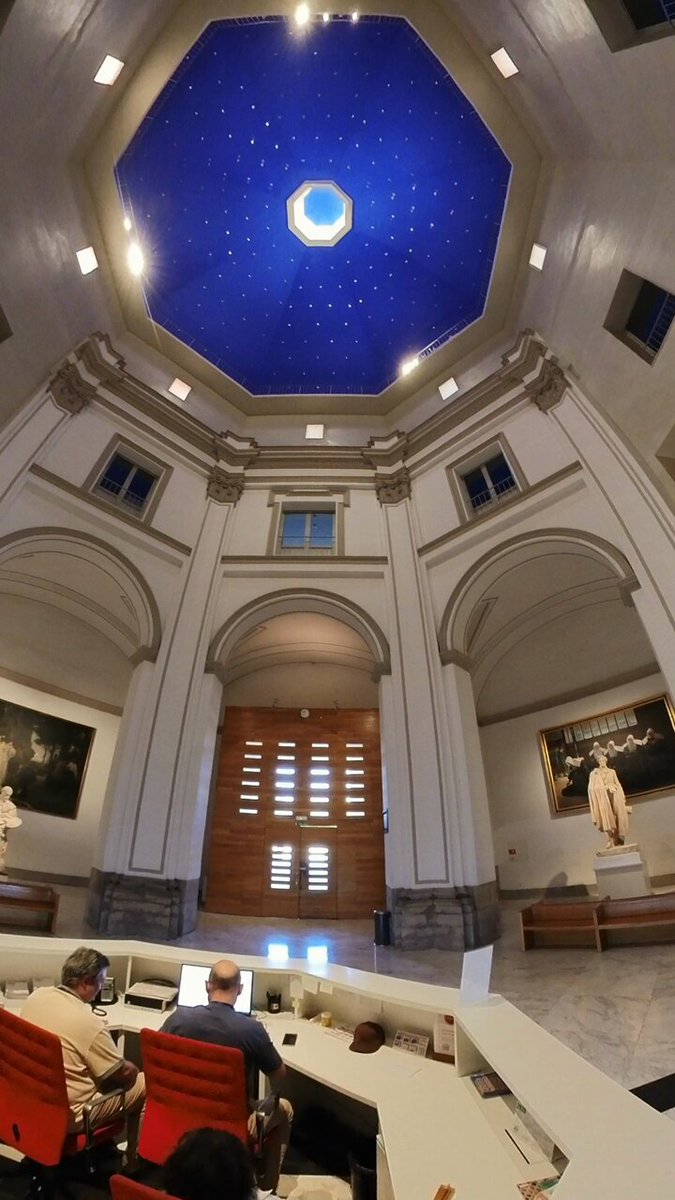
The works’ return is being marked by an architectural reinterpretation of the gallery and musical components intended to engage visitors in a tranquil and welcoming space. Predominantly drawn from the museum’s permanent collection, the works represent six centuries and are bound together by humanity’s universal need to make sense of the world.
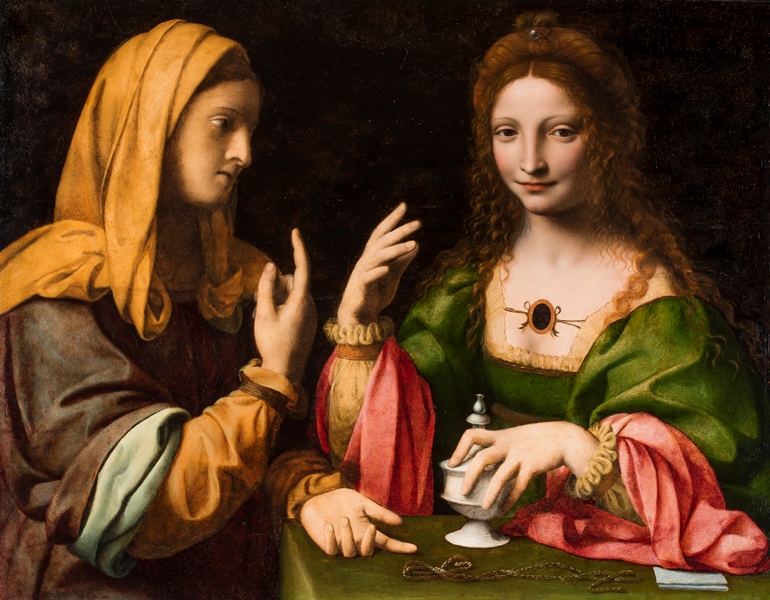
The gallery tells the story of Western art from the early moments of the Italian Renaissance until the dawn of the modern age, as marked by independence movements in the United States, France, and Mexico. Its three sections roughly cover the Renaissance, Baroque, and Enlightenment periods.
The first section begins with a work by Giotto, who pioneered perspective and three-dimensional modeling in the 1330s.
The final section is anchored by a portrait by Francisco de Goya, whose long career and limitless style spanned the major independence movements in North America and Europe. It also includes works by Rosalba Carriera, Angelika Kauffmann, and Marie-Guillemine Benoist, described by the museum as influential women artists of the period.