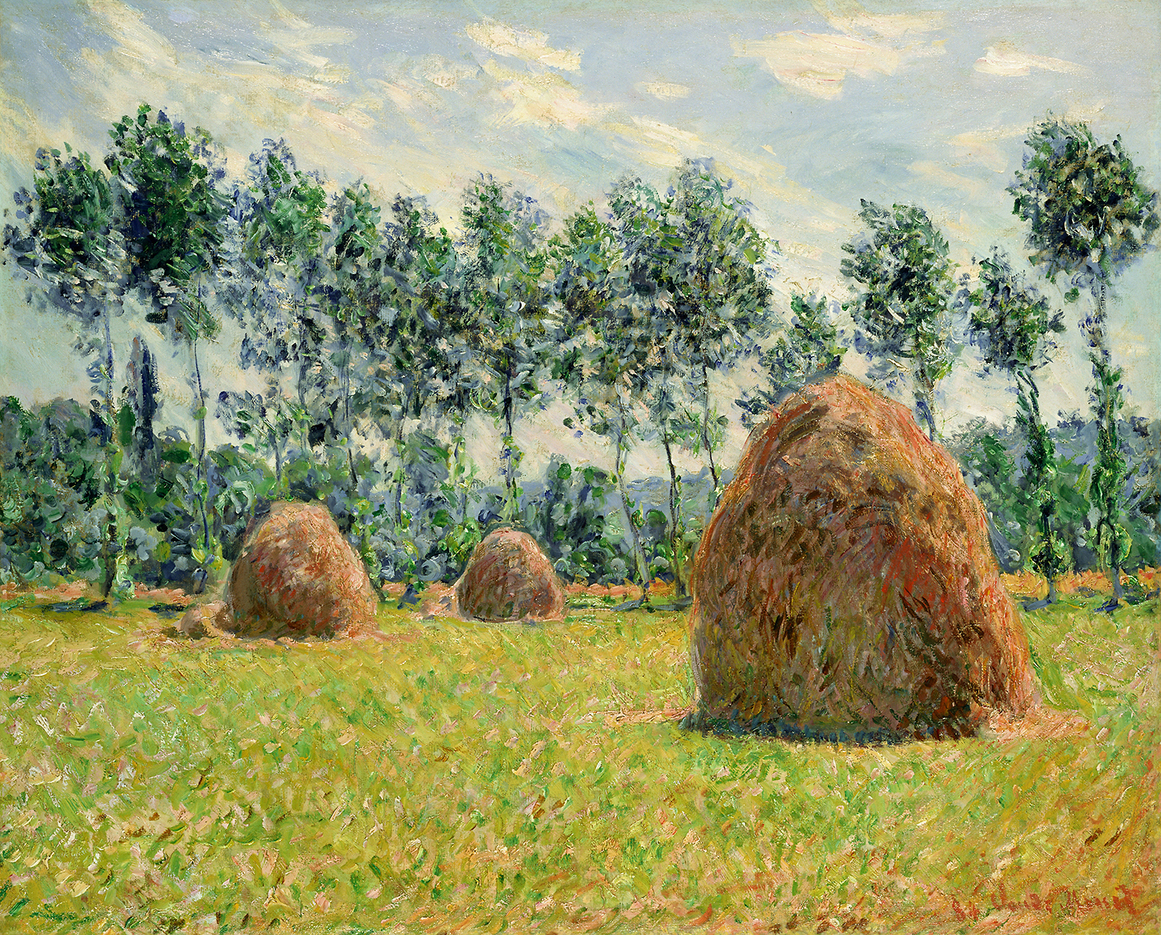
 Image: Pola Museum of Art, Sengokuhara
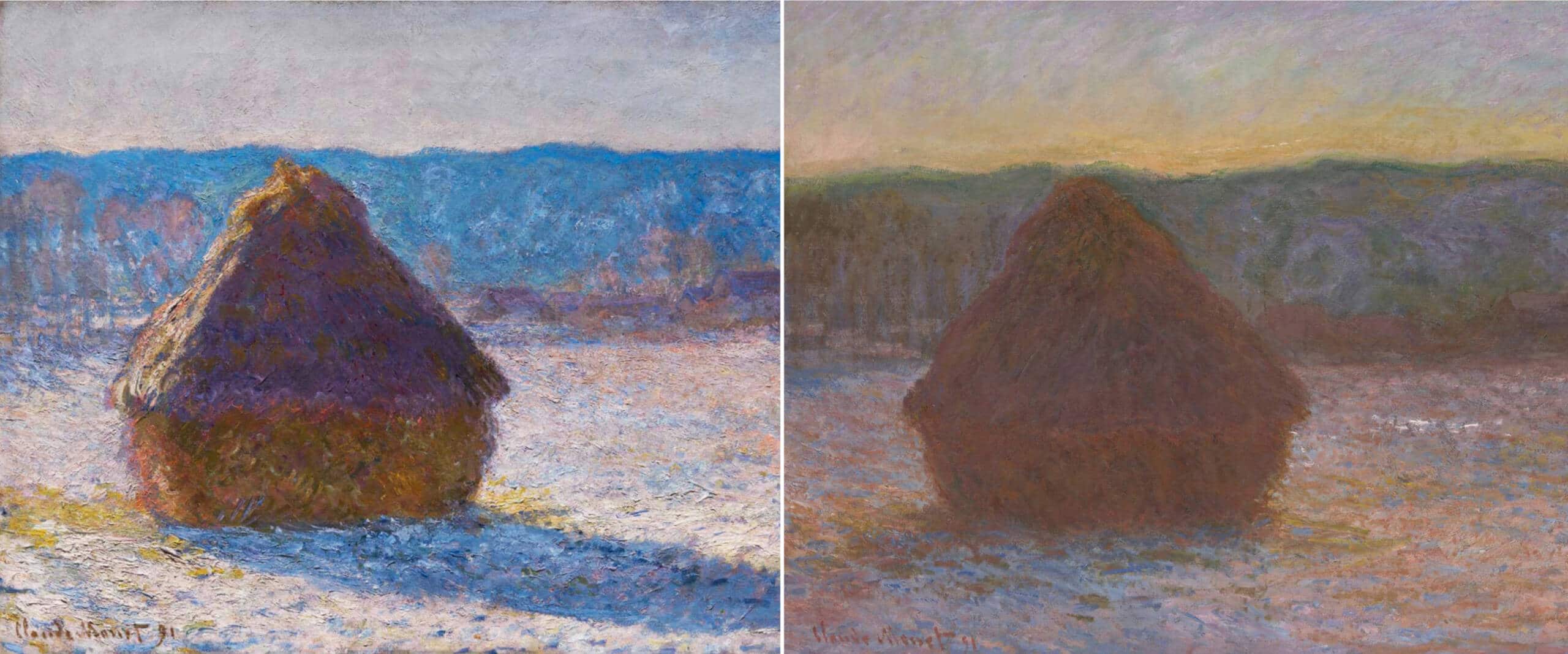
The Pola Museum of Art is drawing attention to Claude Monet's 'Haystacks in Giverny' (1884), a work from the period after the artist moved to Giverny in 1883 and began repeatedly painting the landscapes around his home. The museum's notice identifies the canvas as part of that sustained series of works rooted in the village and its surrounding fields.
Monet's relocation to Giverny marked an important turn in his practice. From that point, the French Impressionist increasingly returned to nearby motifs, observing how light and season altered the same familiar terrain. 'Haystacks in Giverny' belongs to that body of work and reflects his method of revisiting the same subject while varying composition and atmosphere.
The museum's framing places the painting in a broader art-historical context without attaching it to a separate exhibition or program. Rather than presenting new curatorial claims, the notice emphasizes the work's place within Monet's Giverny output, linking the image to the artist's life in the village and to the landscapes that became central to his late-19th-century painting.
Claude Monet remains one of the best-known figures in Impressionism, and the Giverny years are among the most closely studied parts of his career. Works from this period are often discussed for the way they show an artist turning repeatedly to a single environment as a source of formal variation. The museum's reference to 'Haystacks in Giverny' underscores that continuing focus.
No exhibition dates, loan information or accompanying events were provided in the source material. The available information is limited to the painting itself, its date, and the fact that it belongs to Monet's series of views developed after his move to Giverny.