 Image: Getty Villa, Los Angeles
The Getty Research Institute has opened two exhibitions at the Getty Center that use archival clues to trace the afterlives of artworks: ‘Stendahl’s World: Marketing Ancient Mexico and Modern Art in Los Angeles’ and ‘Lost. Found. Returned.’ Both are on view June 23 to October 18, 2026, in Gallery I and Gallery II of the Research Institute, and both foreground provenance research as a tool for reconstructing how objects moved, were marketed, disappeared, and in one case are expected to be returned.
‘Stendahl’s World: Marketing Ancient Mexico and Modern Art in Los Angeles’ focuses on art dealer Earl Stendahl and the role his gallery played in reshaping the market for pre-Hispanic art in Los Angeles from the 1940s. According to the Getty, Stendahl Art Galleries promoted ancient Mexican artifacts as commodities for museum and private collections, while also building on Hollywood connections for product placement in advertisements and films. The exhibition places that marketing effort alongside the damage done to archaeological sites in Mexico, which the Getty says suffered irreparable depredations.
The show draws on the dealer’s archival record, part of the Getty Research Institute’s collections, and is tied to a new research resource: the ‘Stendahl Art Galleries Archival Transcription Project’. The online database offers tagged and interconnected transcriptions of the Stendahl Inventory Books and Family Correspondence, which the Getty describes as an unparalleled resource for studying the provenance of pre-Hispanic art. The exhibition material also identifies Earl Stendahl as one of the most consequential dealers of pre-Hispanic art, with records documenting dealings from the 1930s onward.
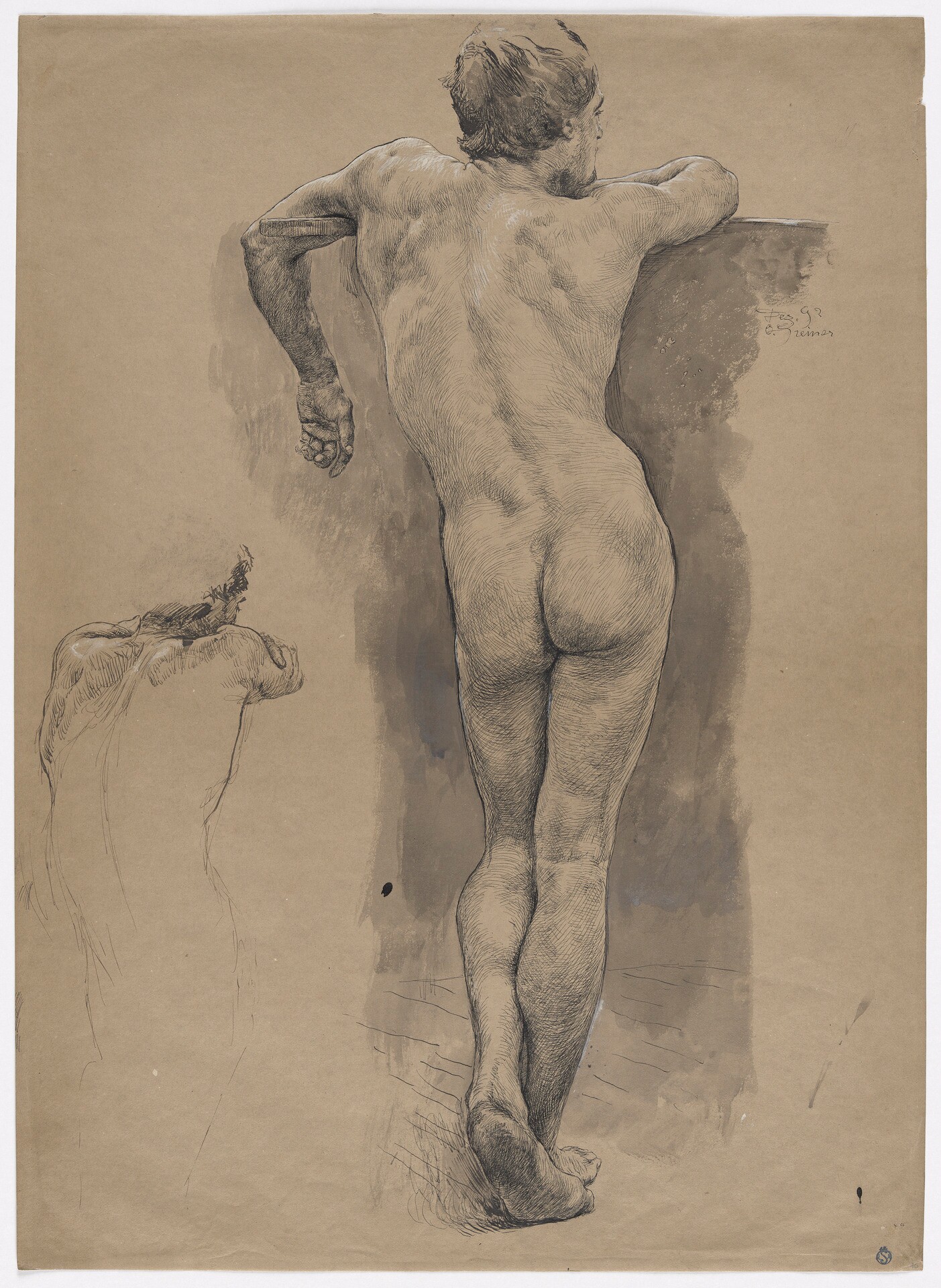
Alongside it, ‘Lost. Found. Returned.’ tells the story of a drawing by German artist Otto Greiner. The Kupferstich-Kabinett in Dresden acquired Greiner’s ‘Standing Male Nude from the Back, with a Smaller Sketch’ in 1894, and later marked it as “lost” after World War II. The Getty exhibition traces how the work ended up at the Getty Research Institute in Los Angeles and focuses on the research methods used to track missing artworks across archives and collections.
The exhibition page says the story centers on the drawing’s shifting wartime status, the tools researchers use to identify missing works, and the expected return of Greiner’s drawing to Dresden. The Getty also points to a related news story, ‘The Afterlives of Artworks’, which explains that a single ink spot and other clues led to an international collaboration identifying the lost drawing in the Getty’s collections. A separate press release on the exhibition describes the project as a story of rediscovery, provenance research and restitution.
Both exhibitions are presented in English and Spanish and are included with free timed-entry admission to the Getty Center. The Getty lists ‘Stendahl’s World: Marketing Ancient Mexico and Modern Art in Los Angeles’ in Gallery I and ‘Lost. Found. Returned.’ in Gallery II, each running from June 23 through October 18, 2026. The exhibition materials also direct visitors to Getty’s provenance resources, including the Getty Provenance Index and a video playlist on provenance, underlining the Research Institute’s continuing emphasis on archival detective work.