 Image: Museum of Modern Art, Kamakura & Hayama
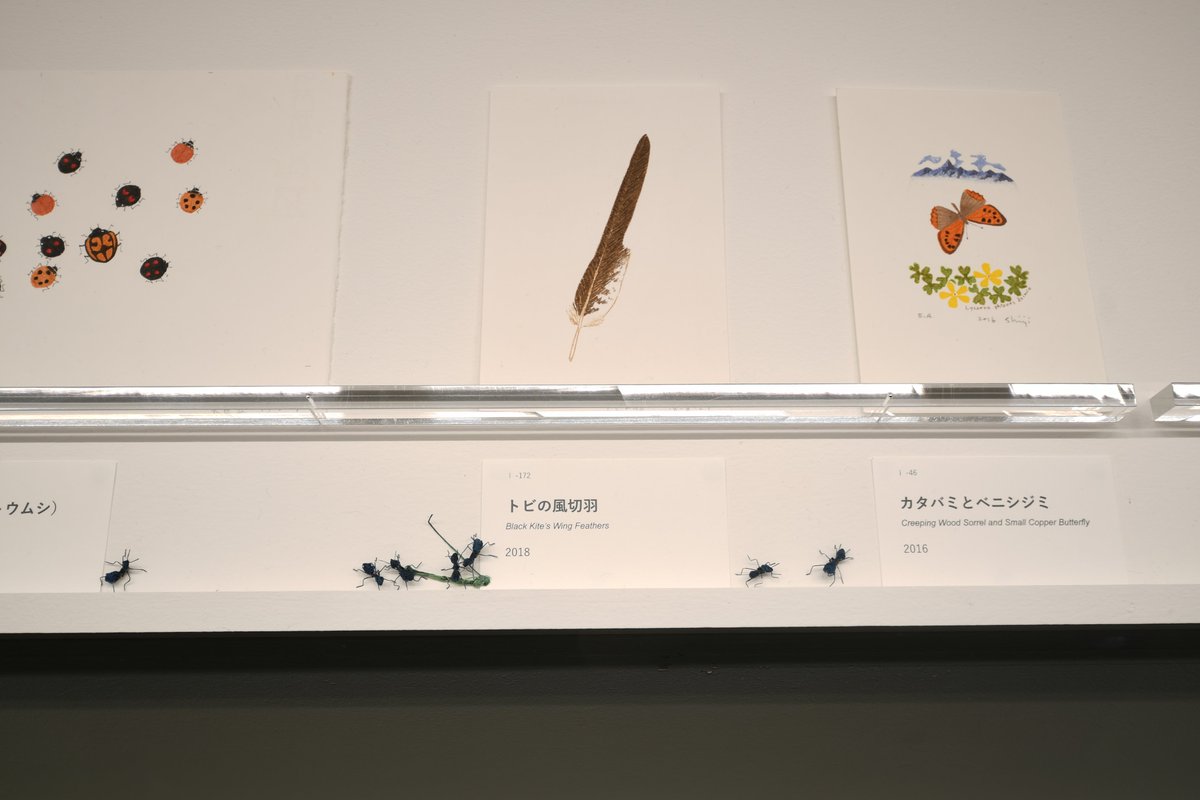
The Museum of Modern Art, Kamakura & Hayama is drawing attention to a display in its Kamakura Annex that pairs Shinji Yamamoto’s woodblock prints with a closer look at the small creatures hidden in the gallery cases. In a post announcing the exhibition, the museum said that tiny ants and ladybirds can be found inside the glass display cases and that these insects were also made by Yamamoto.
The museum’s message places the works under the heading of #KanagawaMoMA and identifies the presentation as ‘Shinji Yamamoto’s woodblock prints’. The post invites visitors to search for the different kinds of insects on view, indicating that the display includes details that reward close looking rather than a quick pass through the room.
Yamamoto’s prints are being shown at the Kamakura Annex, one of the museum’s spaces in Kamakura, Japan. The institution’s online note does not provide a full curatorial statement, checklist, or interpretive text, but it does make clear that the insects are part of the artist’s own production and are integrated into the presentation alongside the prints themselves.
The emphasis on small forms inside the cases suggests an exhibition built around observation and visual discovery. By pointing out ants and ladybirds, the museum signals that the works extend beyond printed imagery into the display environment, with minute handmade elements placed where they may be easy to overlook.
The announcement is brief, but it positions the exhibition as an opportunity to examine the artist’s technique and the variety within the insect motifs. The museum notes that there are several kinds to find in the venue, adding a scavenger-hunt-like dimension to the visit without offering further details about the number of works or their dates.
The Museum of Modern Art, Kamakura & Hayama, which operates under Kanagawa Prefecture, uses its social media channels to share updates about exhibitions and displays at its sites. In this case, the museum’s post serves as the primary source for the presentation, with the Kamakura Annex identified as the location and the insect figures described as part of Yamamoto’s own making.