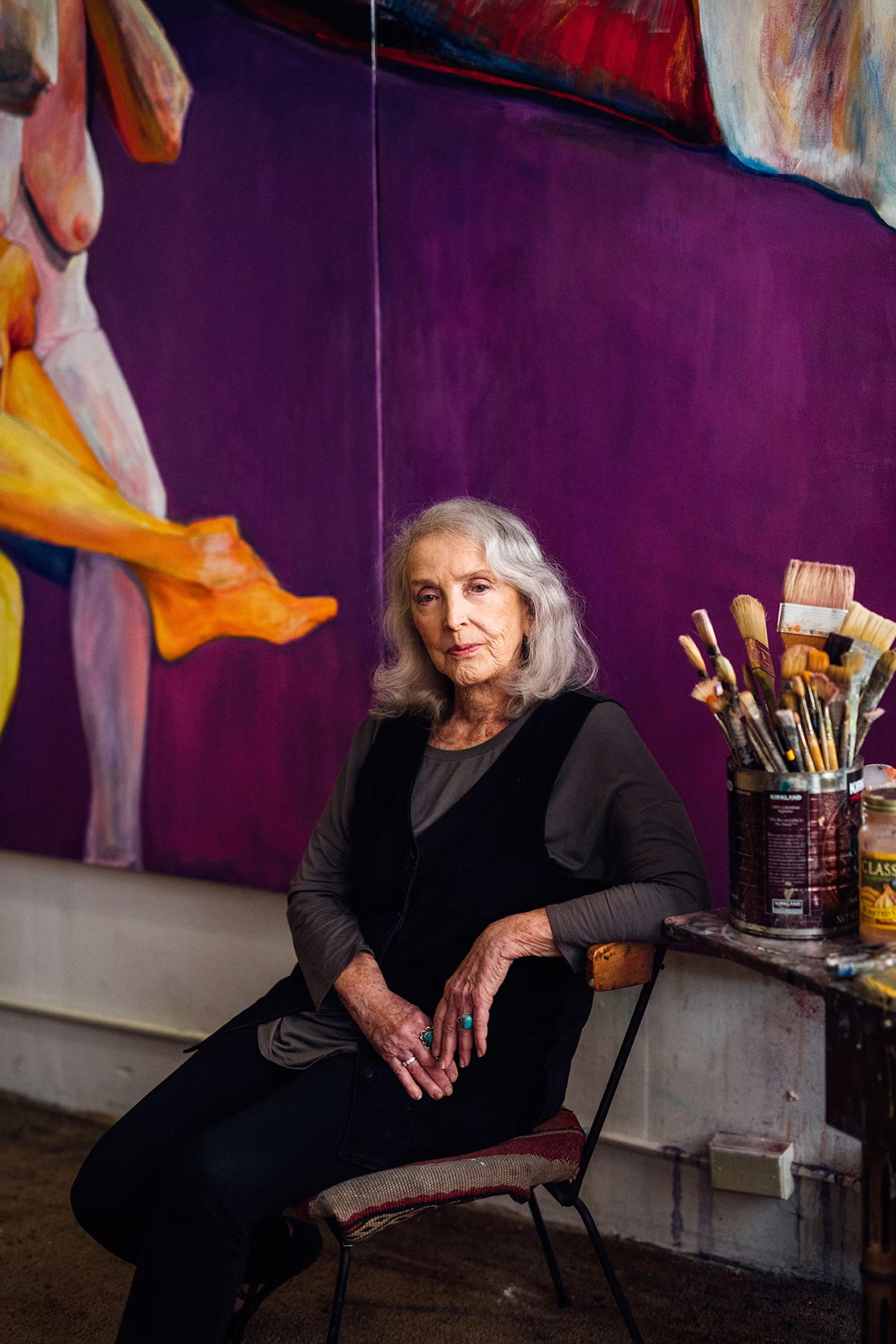
 Image: Xavier Hufkens, Brussels
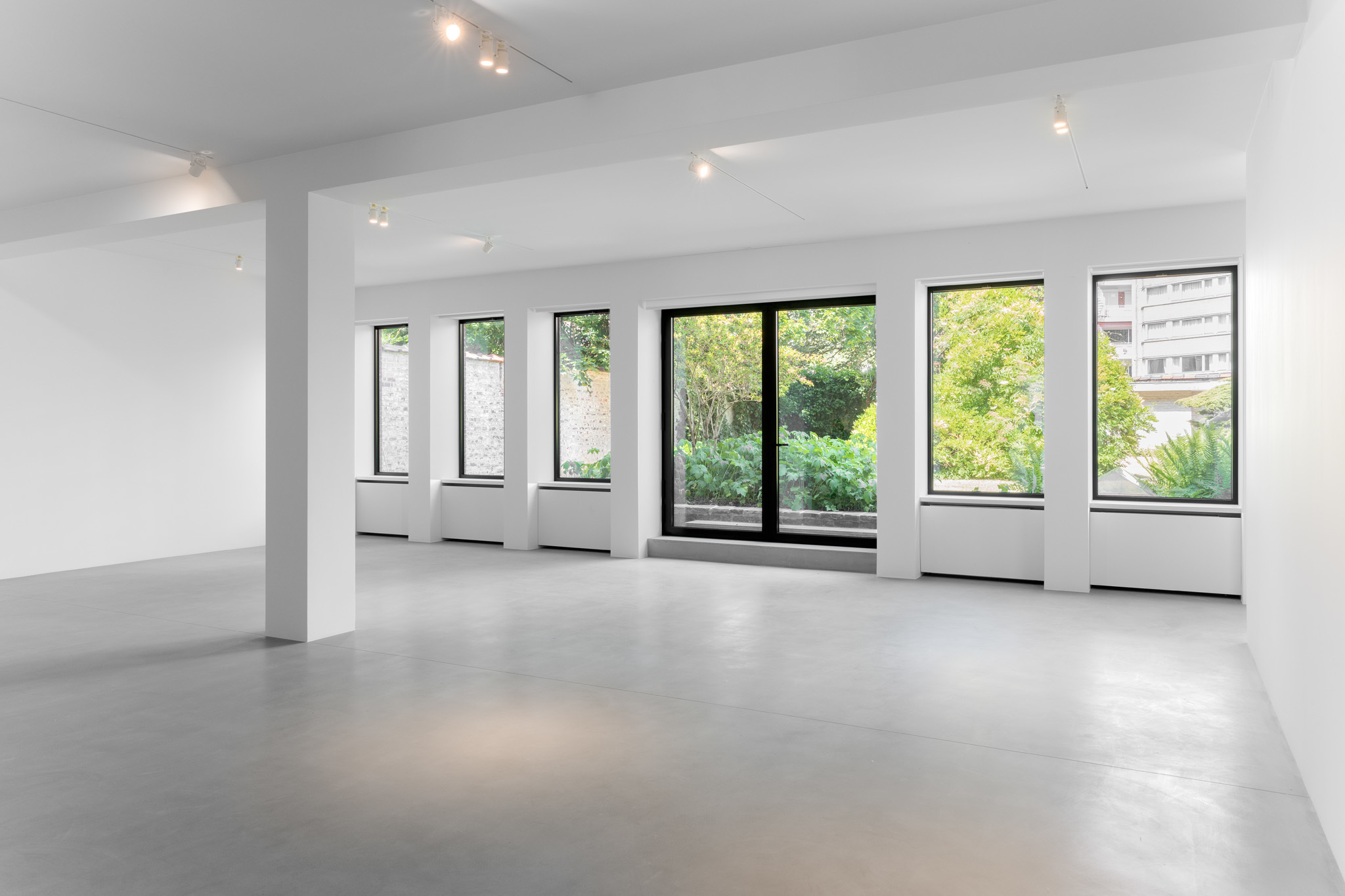
Brussels gallery Xavier Hufkens is showing Joan Semmel’s recent paintings in Continuities, a presentation organized with Alexander Gray Associates and conceived as a single exhibition across Brussels and New York. The Brussels chapter, at the gallery’s Rivoli space, runs from 22 April to 27 June 2026 and is now in its final days. The project places Semmel’s work in a transatlantic framework that mirrors the paintings’ own concerns with doubling, immediacy and sustained looking.
Semmel, born in 1932, has long made the female body the central subject of her art, often using her own body as the model. According to the gallery, she paints it as an “authored image—internalized rather than observed.” In the works on view, that approach is especially resonant because the artist is in her nineties. The exhibition stresses that these canvases do not idealize or disguise the aging body; instead, they present it directly, with flesh, contour and paint continually shifting across the surface.
The show includes recent works such as Here I Am (2025), Red Breast (2025), Partners (2024), Fleshed Out (2025), Supporting Arms (2025), Shoulder to Shoulder (2025), Face Out (2025), Sun and Shade (2025), Push Back (2023), Supporting Hand (2024) and My Favorite Foot (2025). Xavier Hufkens says the paintings draw on strategies that have shaped Semmel’s practice for decades, including cropping, emotive color, and the layered figure compositions of her earlier Overlays and Shifting Image works. In several of the new paintings, layering allows more than one version of the figure to remain visible at once.
A gallery video made in Semmel’s SoHo studio underscores the continuity between the exhibition and her broader practice. She says there that she used herself as “an example of femaleness” because she wanted an image that was “not beautified nor designed,” and wanted “the sense of power that the body gives one.” That idea echoes the gallery’s framing of the work as a challenge to the routine erasure of older female bodies from visual culture. Rather than treating the body as symbol or ideal, the paintings insist on presence.
The transatlantic structure is also significant. Xavier Hufkens and Alexander Gray Associates describe the project as a single presentation across two cities, with related compositions shown in parallel in Brussels and New York. The gallery says this simultaneity gives physical form to the paintings’ logic and also acknowledges the long dialogue between Europe and America that has shaped feminist thought and visual culture for more than half a century. In that sense, the exhibition is not only about Semmel’s subject matter but about how her work travels, circulates and remains legible across contexts.
A new publication accompanies the exhibition, produced by Xavier Hufkens and Alexander Gray Associates and featuring texts by Marie-Laure Bernadac and Rachel Federman. For Semmel, whose work has recently been the subject of major museum attention in New York and beyond, Continuities adds another chapter to a late-career moment of sustained visibility. The exhibition matters because it places one of the most persistent and uncompromising bodies of feminist painting back at the center of current debate: how women are seen, who gets to author that image, and what it means to keep painting the body as it changes over time.