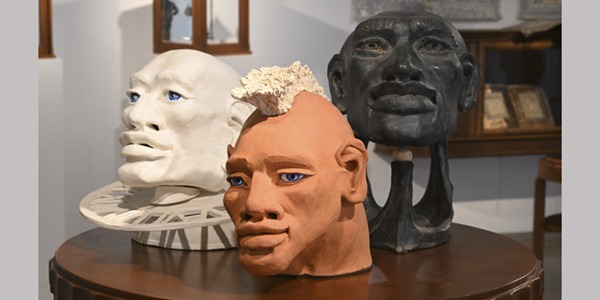
 Image: Gerhard Marcks House, Bremen
Christian Schilling’s ‘Wunderkammer’ brings together sculpture, objects and works on paper at the Gerhard-Marcks-Haus in Bremen, presenting an expansive installation shaped by references to medieval European, Egyptian and ancient art. The exhibition is on view from 12 July through 18 October 2026.
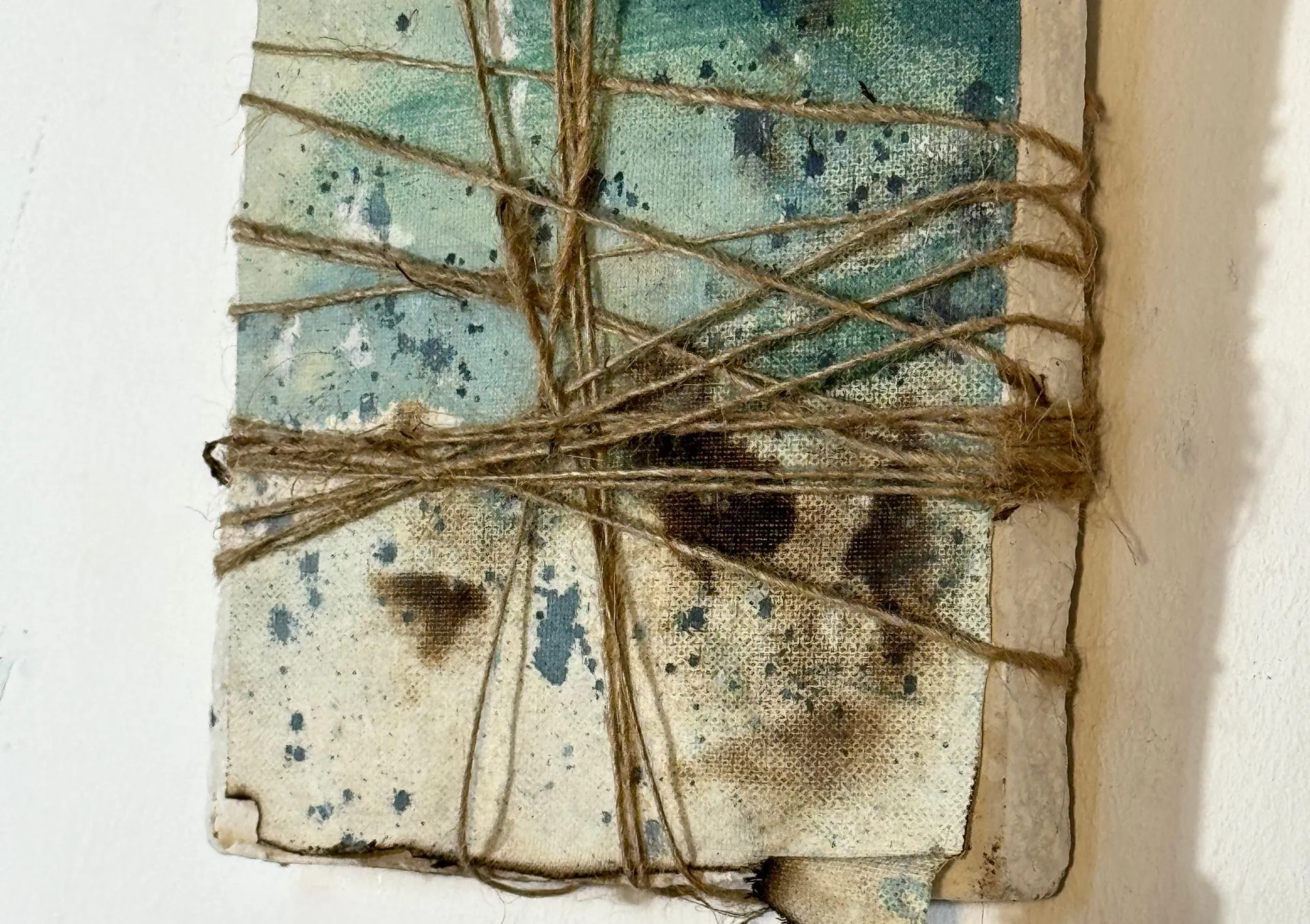
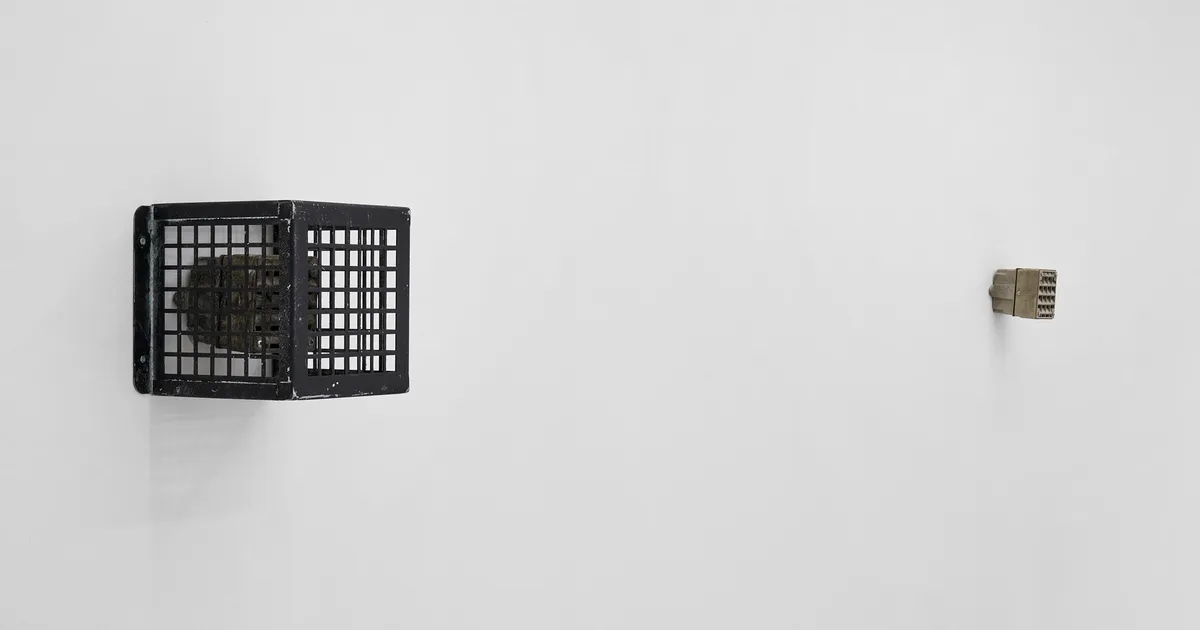
The presentation includes sculptures and objects made from clay, porcelain and silver, alongside paintings, manuscripts and books containing drawings. Together, the works create the opulent cabinet-of-curiosities atmosphere suggested by the exhibition’s title, with a range of materials and formats placed in dialogue rather than separated into distinct categories.
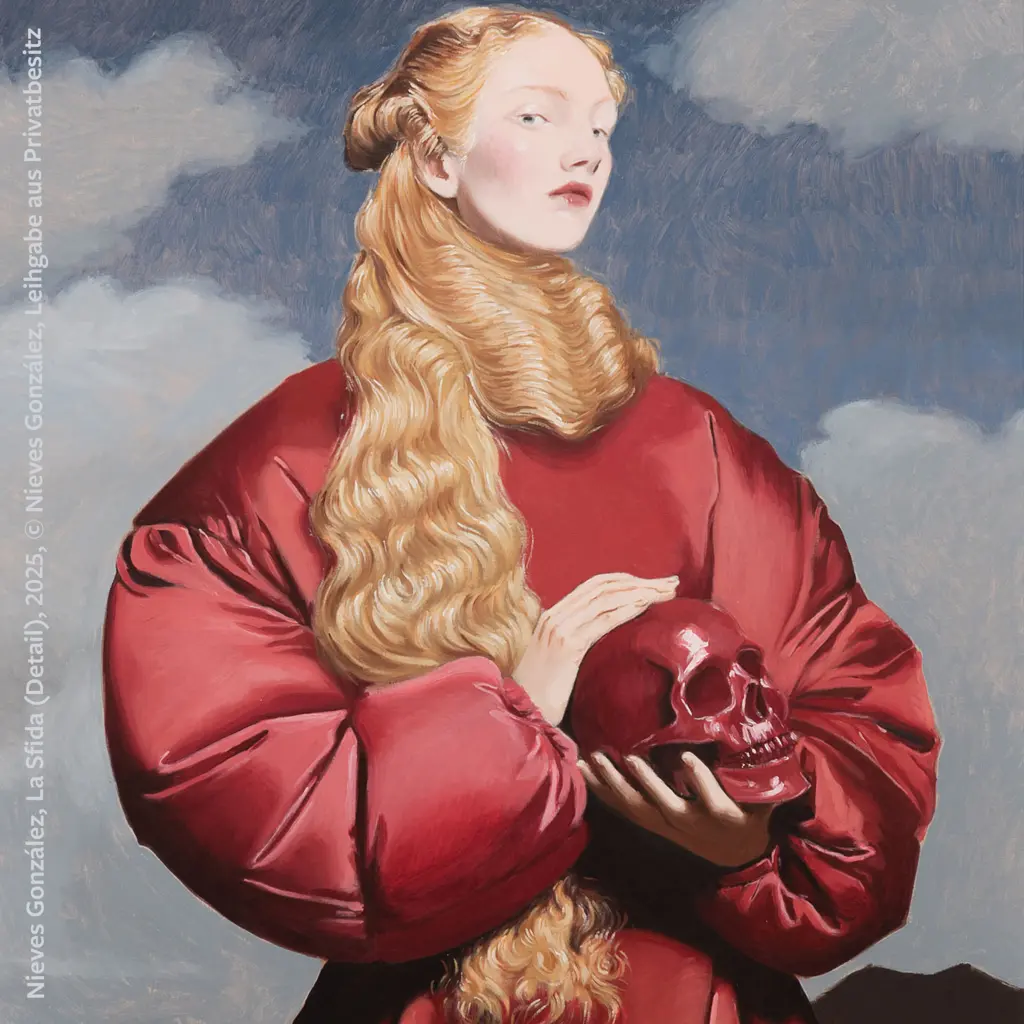
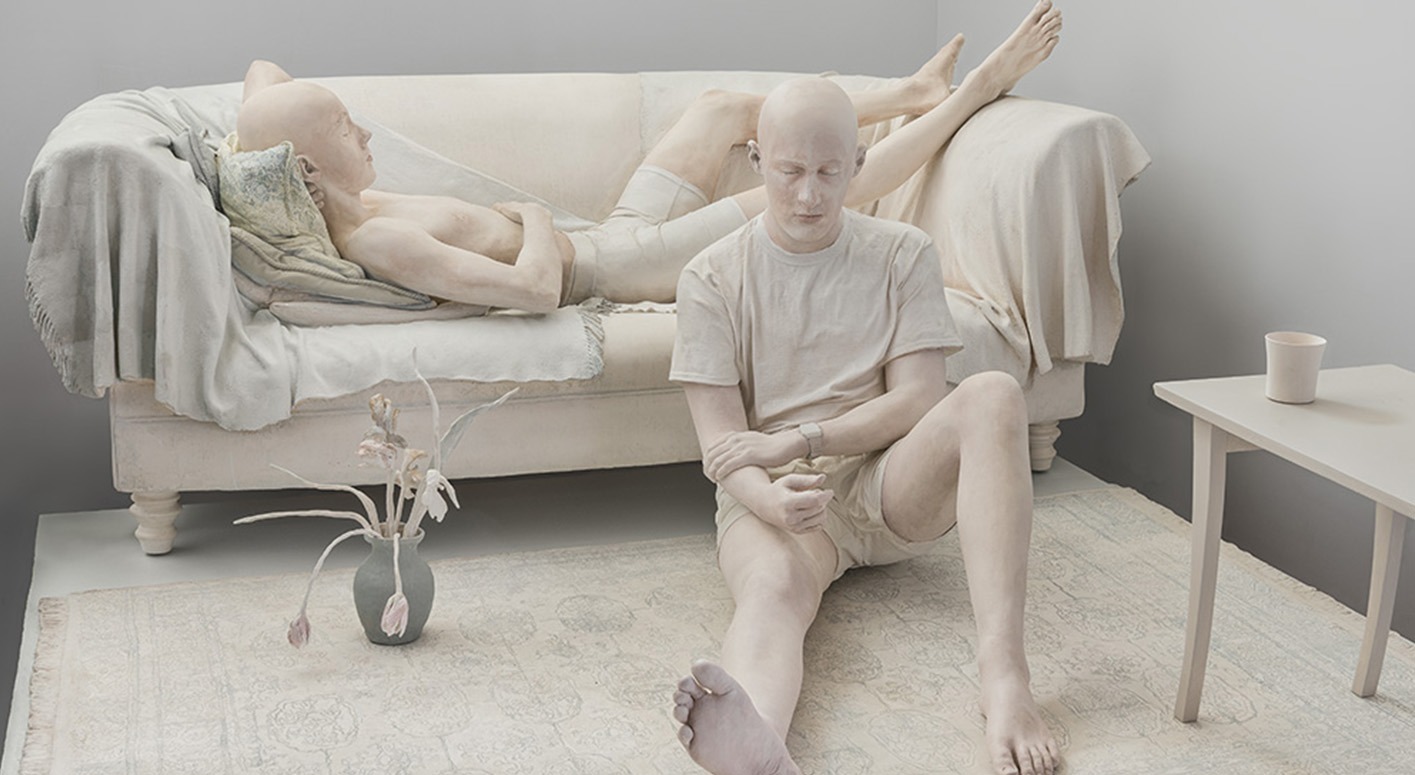
Human figures and heads form a central part of the display. The museum describes these works as depicting human beings through their feelings, expressions and real or presumed social position. They appear alongside objects with a more abstract character, producing a varied field in which recognizable forms meet signs, symbols and deliberately reduced shapes.
Schilling’s figures and heads use a consciously formalistic and cipher-like visual language. Their sources include medieval European representations as well as Egyptian art, including the exaggerated forms associated with the Amarna period. The exhibition also identifies ancient art as an influence on the artist’s sculptural approach, placing his contemporary works within a broad history of stylized and expressive representation.
Naturalistic realism is not Schilling’s stated concern in the exhibition description. Instead, he allows himself to exaggerate forms and to reduce elements he considers less important. As a result, some figures may appear emphatic or distorted, at times approaching caricature. The effect is not limited to facial expression: posture, proportion and the visual treatment of the head and body contribute to the works’ ambiguous relationship to identity and social character.
The combination of sculptural materials and written or drawn matter extends the exhibition beyond a presentation of individual objects. Manuscripts and books with drawings introduce evidence of thought and process into the installation, while the contrast between clay, porcelain and silver gives the works different physical and visual registers. Paintings and drawings further connect the three-dimensional pieces to a wider practice of image-making.
‘Wunderkammer’ is presented at the Gerhard-Marcks-Haus, Am Wall 208 in Bremen. The museum is open Tuesday through Sunday from 10 a.m. to 6 p.m., with extended hours on Thursday until 9 p.m. The exhibition remains on view until 18 October 2026.