
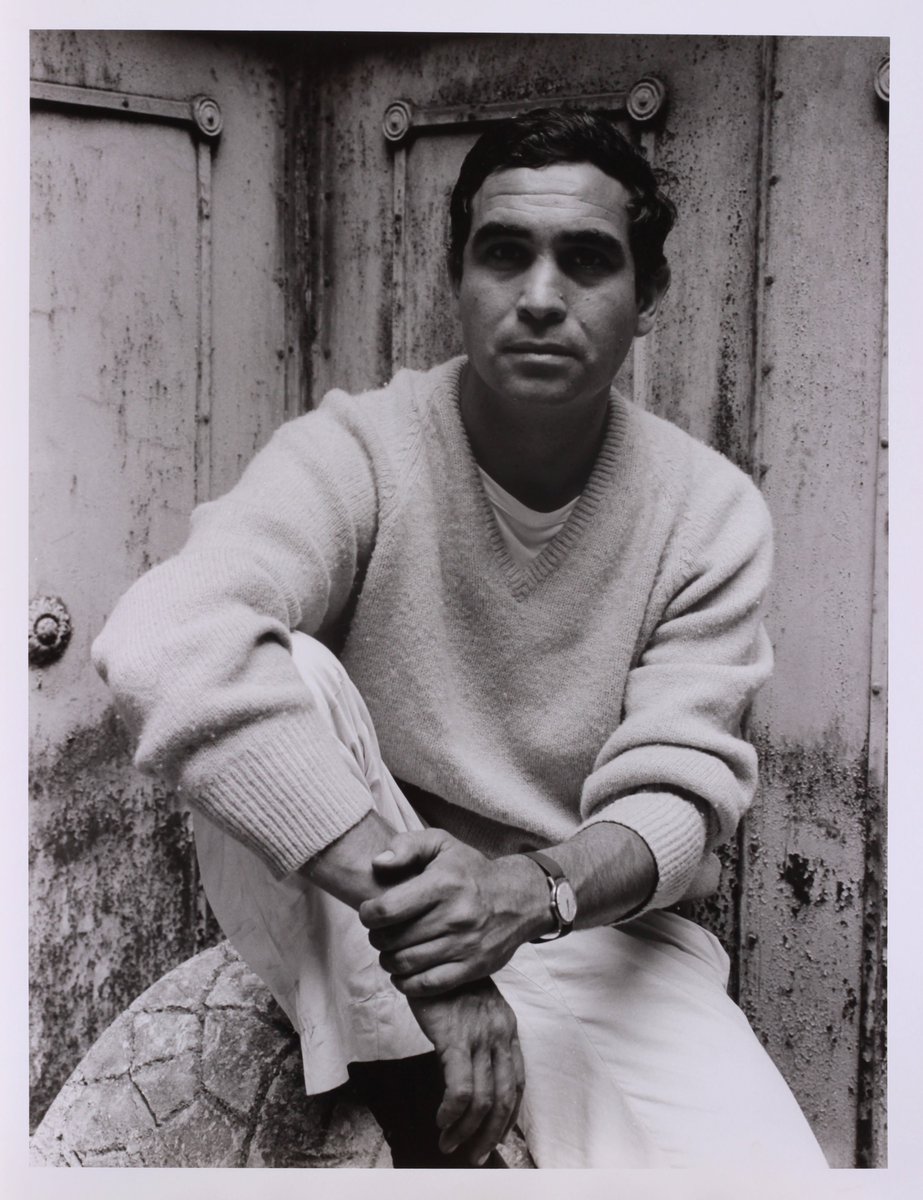
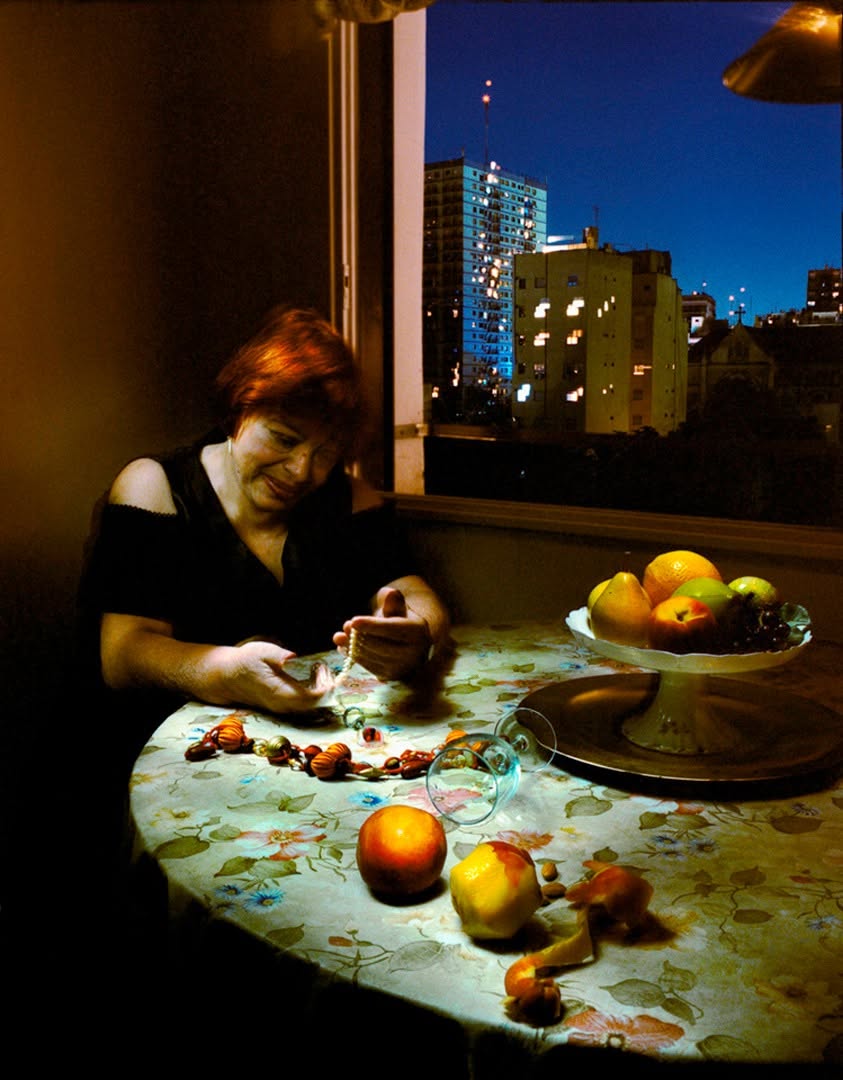
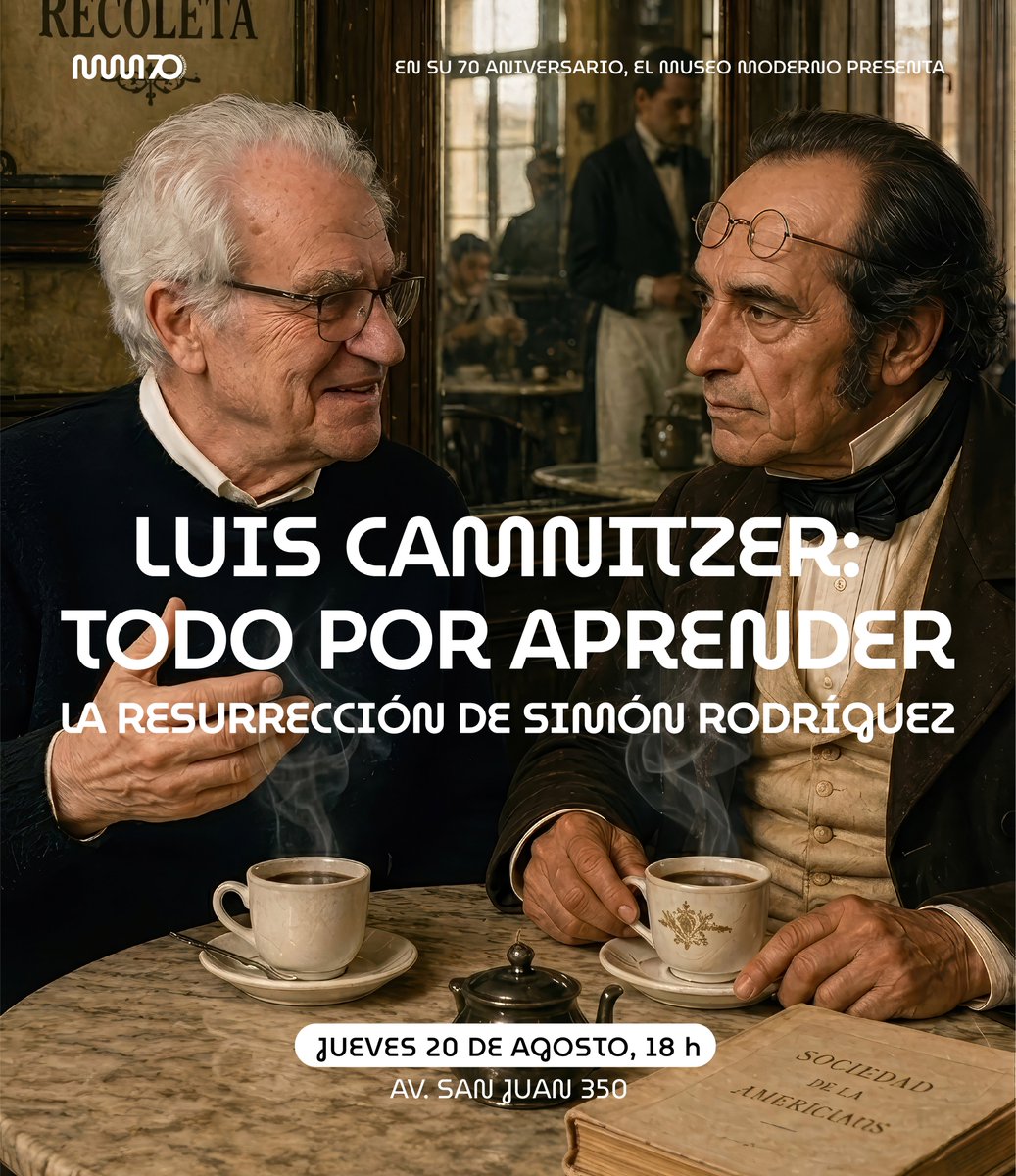
 Image: Composite of press images from ‘Bosques Umbral’ and ‘Luis Camnitzer: Todo por aprender’ as published by Infobae. Press photos: Museo Moderno, Buenos Aires
The Museum of Modern Art of Buenos Aires has opened two exhibitions that bring together ecological imagination, conceptual art, artificial intelligence and educational theory as part of the institution’s 70th-anniversary program. ‘Bosques Umbral’ and ‘Luis Camnitzer: Todo por aprender. La resurrección de Simón Rodríguez’ are presented within the museum’s broader ‘Habitando el Futuro’ program and will remain on view into 2027. Both opened on 20 August 2026.
Installed in Gallery G on the museum’s second floor, ‘Bosques Umbral’ treats the forest not only as an ecosystem but as a form of thought. Built around the idea of the threshold, explored by artist Onome Ekeh, the exhibition combines speculative fiction, digital design and craft techniques to imagine alternative relationships with the environment. Roots appear as electrical interfaces, textiles become floating screens, and sculptures transform organic and technological waste into new forms of life.
The exhibition includes moving images, digitally altered bodies and abstract landscapes, examining technology across a continuum that extends from ancestral techniques to contemporary digital devices. It also addresses ecotechnical perspectives and worldviews associated with the Indigenous diaspora. Curated by Nicolás Cuello, the group exhibition brings together Gala Berger, Flavia Da Rin, Lulo Demarco, Alejandra Mizrahi, Toni Morales, Eva Moro Cafiero, Yhomara Muñoz and Jimena Travaglio. It is scheduled to run through 1 August 2027.
In Gallery D, on the first floor, Luis Camnitzer’s ‘Todo por aprender. La resurrección de Simón Rodríguez’ places the ideas of Simón Rodríguez at the center of a new project. Rodríguez, the Venezuelan philosopher, educator and printer who lived from 1769 to 1854, was a teacher of Simón Bolívar and an advocate of popular education in Latin America. The exhibition uses his thought to consider how knowledge is produced and transmitted, the relationship between art and education, emancipation, and the effects of new technologies on imagination and independent thought.
Camnitzer, born in Lübeck in 1937 and a major figure in Latin American conceptual art, has developed a practice since the 1960s centered on critical thinking and art’s potential as an instrument of social change. For this project, he combines artificial intelligence with sessions involving spiritualist mediums to construct fictional conversations between Rodríguez and historical and contemporary figures including Frantz Fanon, bell hooks, Ivan Illich, Maria Montessori, Lygia Clark and the Cossettini sisters. The encounters are invented, but are designed to produce plausible exchanges around art, education, aesthetics and politics.
Artificial intelligence functions in the exhibition as an experimental field rather than simply as a subject of concern. The project asks how such tools can be used to generate forms of knowledge, writing, images and narrative structures without surrendering human cognitive capacities to them. It also includes a work produced by graduates of the Instituto Vocacional de Arte Manuel José de Labardén, who took part in creating dialogues between historical and contemporary figures. Curated by Alfredo Aracil, the museum’s head of education, the exhibition continues through 1 February 2027. Alongside the opening, the museum has published Camnitzer’s 344-page book ‘Luis Camnitzer: Más allá de la inteligencia’, which addresses the relationship between art, education and artificial intelligence.
!['Shimmer: Dreaming the Posthuman' to Open at the Frist Art Museum[f1][f2]](/uploads/newsletter-12548-0e30af0095de.jpg)