 Image: Museum of Oriental Ceramics, Osaka
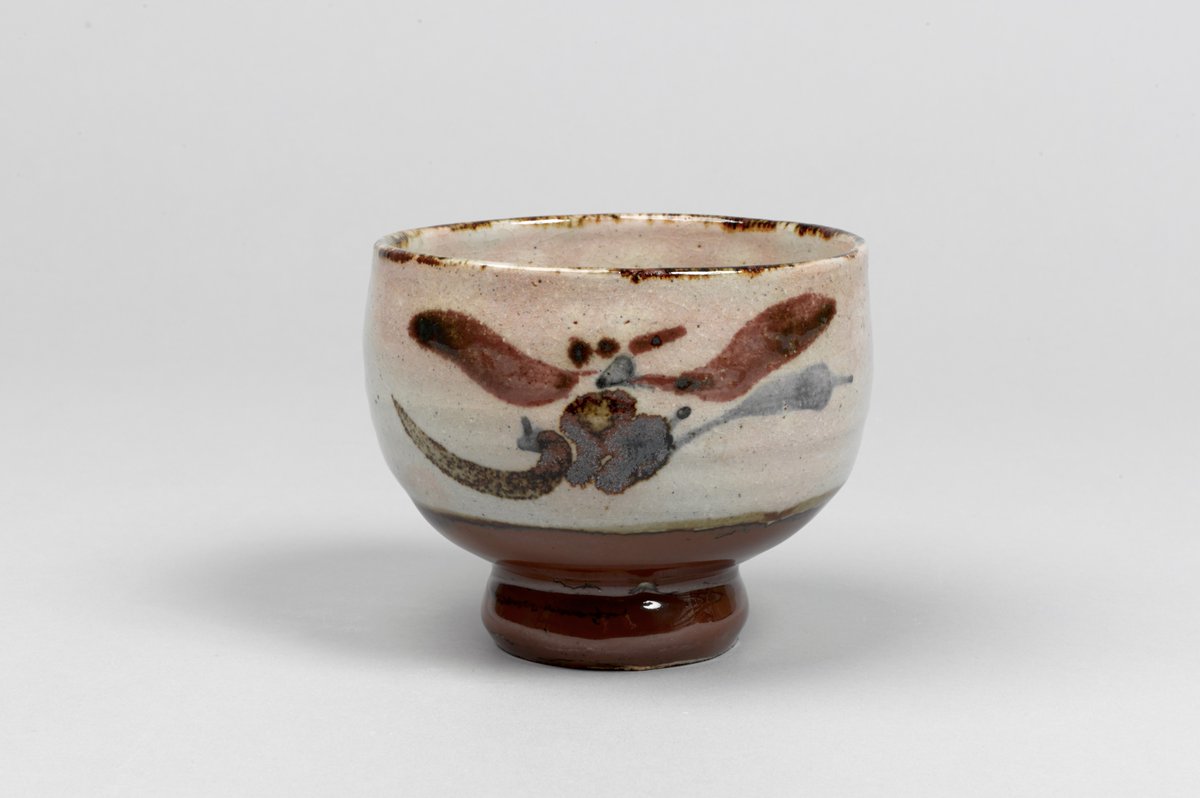
The Museum of Oriental Ceramics, Osaka has highlighted ‘Flower Bowl’ by Kanjirō Kawai as part of its ongoing presentation of ceramics on social media. The post focuses on a single work and places it within Kawai’s wider practice, noting his role as a ceramic artist who, together with Sōetsu Yanagi and Shōji Hamada, helped lead the Mingei movement.
Kawai is identified in the museum’s post as a major figure in modern Japanese ceramics. The museum describes his work from the prewar Shōwa period onward as using brown iron glaze painting, reddish-purple cinnabar, and blue underglaze pigment, with lively brushwork to depict floral motifs on vessels. The highlighted object, ‘Flower Bowl’, is presented as an example of this approach.
The museum’s focus on the work sits comfortably with its collecting and interpretive remit. As a specialist institution devoted to oriental ceramics, the Museum of Oriental Ceramics, Osaka regularly presents objects that trace technical, aesthetic, and historical developments in ceramic art. In this case, the emphasis is on Kawai’s painterly surface treatment and his use of colour and brush line to animate the form.
The post also situates Kawai through his association with the Mingei movement, the influential twentieth-century current that championed handcraft and the beauty of everyday objects. By naming Yanagi and Hamada alongside Kawai, the museum links the bowl to a broader history of Japanese craft modernism rather than treating it as an isolated object.
The museum did not provide an exhibition title, gallery schedule, or loan details in the post. Instead, the statement functions as a concise object highlight, offering viewers a close look at one named work and the materials and methods associated with its maker.
‘Flower Bowl’ is the specific work singled out in the museum’s post, with Kanjirō Kawai identified as its maker and the Mingei movement given as the key historical context.