 Image: Museum of Modern Art, Wakayama
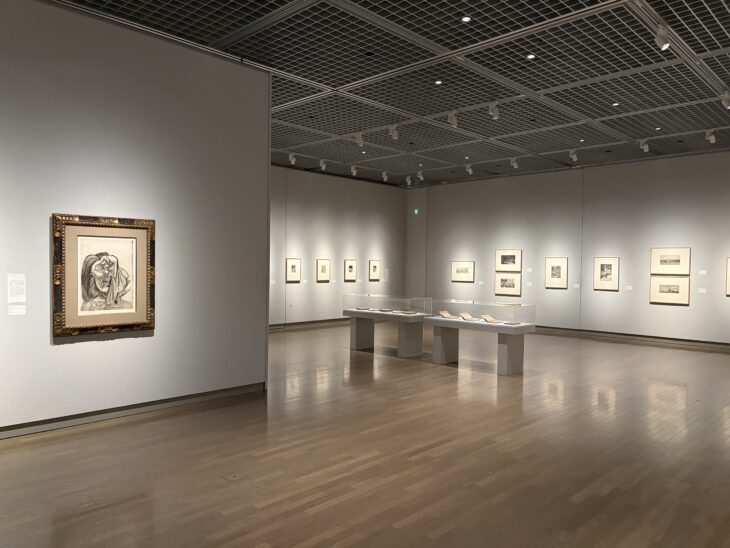
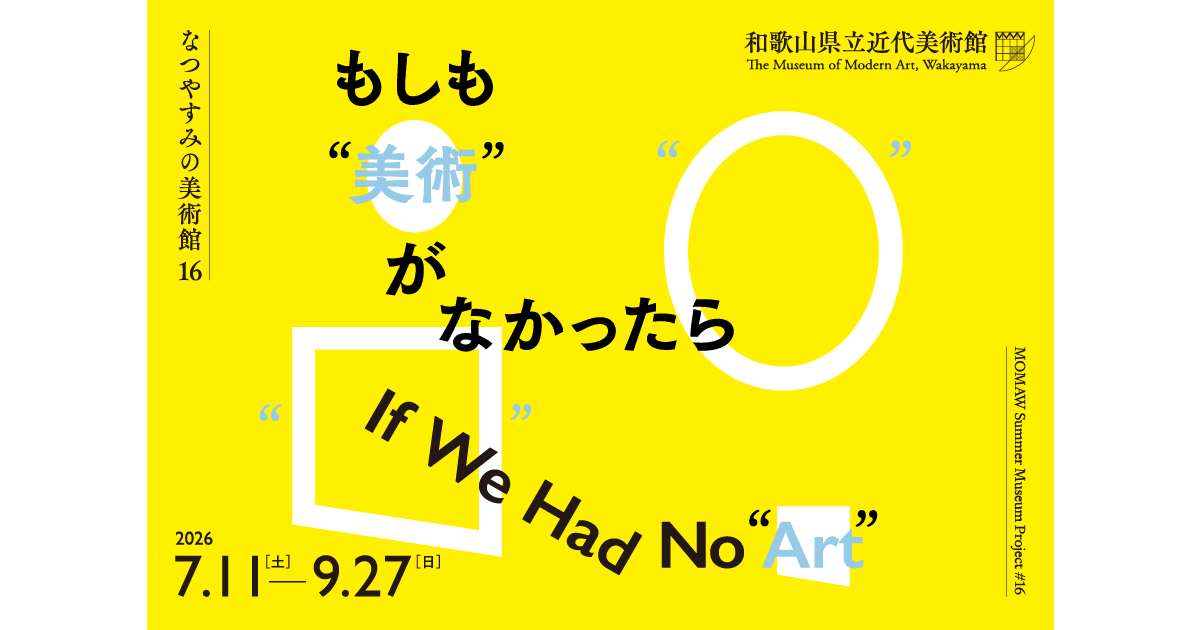
The Museum of Modern Art, Wakayama is presenting 'What If There Were No “Art”?' as the 16th edition of its summer exhibition series, running from 11 July to 27 September 2026 in the museum’s second-floor gallery. Framed as a question rather than a survey of a single theme or school, the show asks visitors to consider what “art” means, what a museum does, and how those ideas are shaped by everyday experience, education and display.
The museum presents the series, known as 'Natsuyasumi no Bijutsukan' or “Summer Museum,” as a long-running programme begun in 2011 to offer children and adults a shared way into contemporary and historical art. This year’s version is built around several possibilities raised in the exhibition text: whether art would still exist if there were no paintings or sculptures, whether “art” as a school subject disappeared, or whether there were no museum where people could enjoy it together. The exhibition invites visitors to think through those questions using works from the museum’s collection and selected loans.
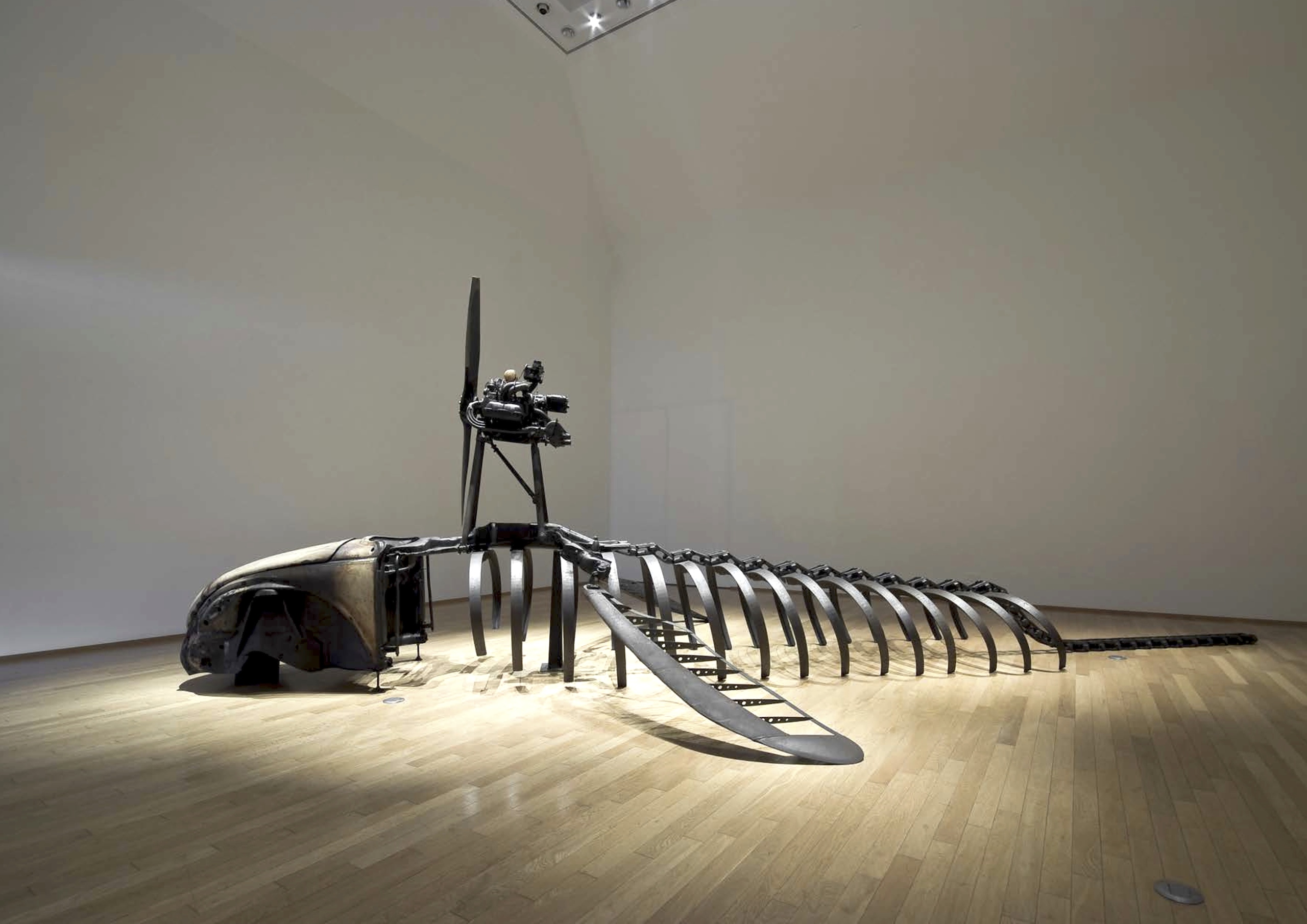
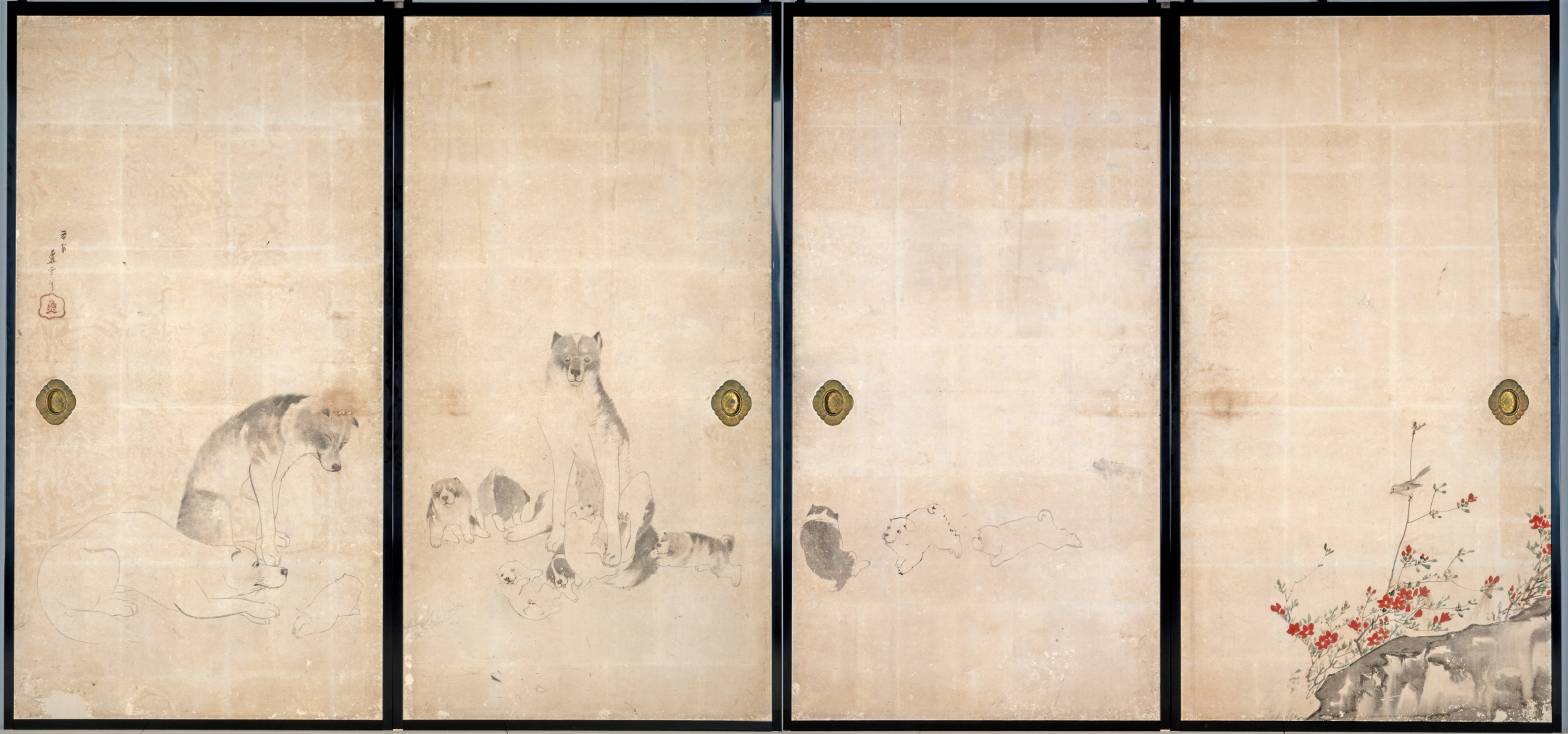
The installation includes works by a range of artists and makers from different periods and media, among them Onishi Nobuaki’s 'totan' (2014), Ito Soshaku’s 'Budo no zu' (1925), Shimomura Seiji’s 'Kame okimono' (date unknown), an untitled 'Shirahama landscape' by an unknown artist identified as Sotaro, Koyanagi Hiroshi’s 'A View with the Steelworks' (2014), Kishida Ryusei’s 'Self-Portrait with a Black Hat' (1914), Tatehata Dain’s 'Fireflies' (1923), Satoh Tokihiro’s 'Shirakami #2' (2008), and Hinoda Takashi’s 'New Family' (2023). The museum identifies the presentation as a chance to look at works not only as art objects but also as physical things with color, shape and presence.
The exhibition text says the museum is a place where works are gathered to be seen, enjoyed and studied, but also a place that shapes how those works are understood. By bringing together paintings, sculpture and other forms, the show uses the museum setting itself as part of the subject. It also stresses that the series is intended for children and adults together, and that the 16th edition continues the museum’s effort to create new connections between viewers and art through summer programming.
Educational materials remain a notable part of the project. Since 2013, the museum has distributed exhibition worksheets for the 'Summer Museum' series, and this year the sheets are being prepared by members of the Wakayama Art Museum Education Research Group, a voluntary network of schoolteachers and others interested in museum education. The museum says the worksheets are designed over roughly three months beginning in April and are meant to support learning across a range of ages. They will be available in the gallery, though not at the opening itself; distribution is scheduled to begin around 17 July.
Public programmes are also tied to the exhibition. Curator-led gallery talks are scheduled for 19 July, 23 August and 12 September, each beginning at 2 p.m. and lasting about an hour. A guided tour by the Wakayama University Art Museum Club, titled 'Tamagosensei to Waku Waku Art Tour', will be offered from 12 to 16 August, with sessions at 11 a.m., 1:30 p.m. and 3 p.m. each day. A children’s programme, 'Children’s Museum Club', focused on the theme 'Is this the Kindaikan?', is planned for 5 and 6 September with advance registration required.
Admission is set at 600 yen for adults and 330 yen for university students, with discounts for groups of 20 or more. High school students and younger visitors, people aged 65 and over, and visitors with disability certificates are admitted free. The museum notes that the exhibition can also be seen with a ticket to the concurrent 'Shimomura Kanzan Exhibition', and that the summer show admission also grants access to selected MOMAW collection displays including 'Paintings and Sculpture' and 'Prints and Art Walk'.