 Image: Museo delle Porcellane, Florence
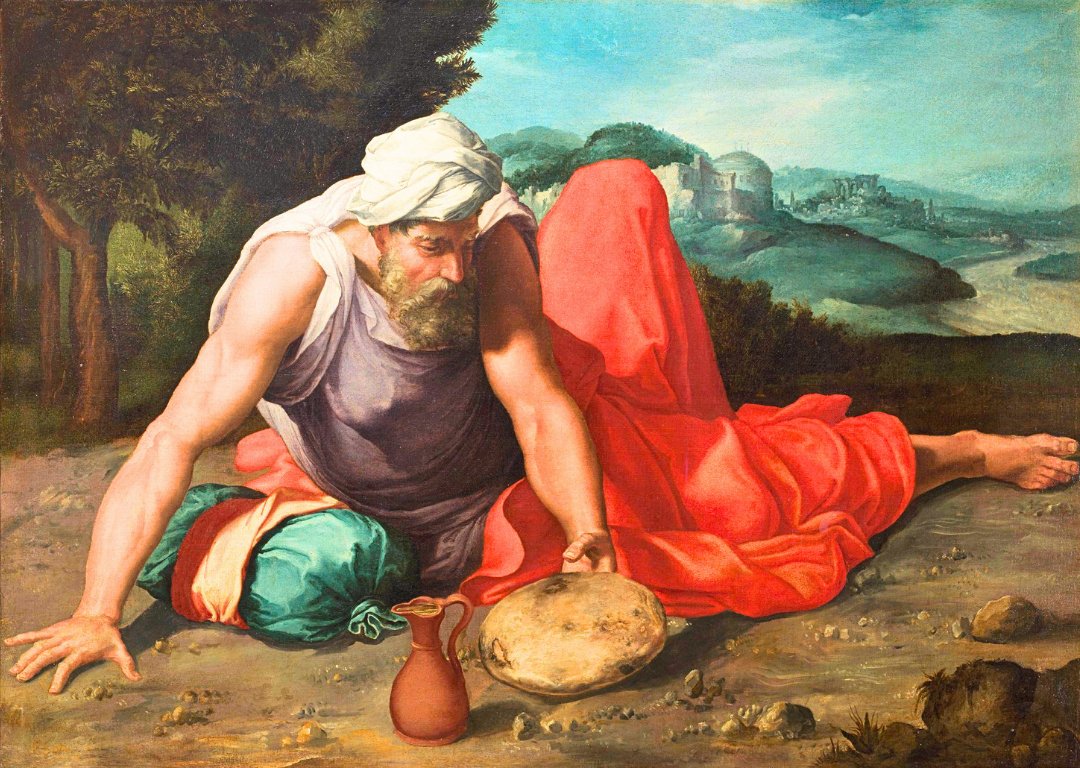
The Uffizi has drawn attention to a sculptural depiction of the prophet Elijah by Daniele da Volterra, presenting the work in a recent post as a forceful image of physical exhaustion and spiritual urgency. The museum’s Italian-language caption describes Elijah as having fled into the desert to escape Jezebel’s wrath and collapsing to the ground “privo di forze,” yet still appearing “bellissimo” despite his condition.
The work is identified as dating to around 1543 and is held at the Uffizi. In the post, the museum emphasizes the figure’s “corpo scultoreo e potente,” underscoring the strength of the body’s modeling even in a scene of collapse. The caption also points to the artist’s handling of the figure as a “torsione michelangiolesca,” situating the image within the powerful, contorted language associated with Michelangelo’s influence.
Daniele da Volterra is best known for his close links to the artistic milieu shaped by Michelangelo, and the Uffizi’s wording places this 'Elijah' squarely in that tradition of heightened anatomy and expressive pose. Rather than presenting the figure as a passive devotional subject, the museum’s description stresses movement, strain and bodily force, with the prophet’s physical suffering rendered through a sculptural twist.
The post offers a concise art-historical reading of the work while also serving as a spotlight on the museum’s holdings. The Uffizi did not frame the image as part of a larger exhibition or public programme in the caption provided, but instead focused on the individual object and its formal qualities. The result is a reminder of how the museum continues to present works from its collection through short interpretive posts that combine iconography with stylistic observation.
Elijah is a biblical prophet, and the scene referenced by the museum follows the familiar episode of his flight into the desert after the anger of Jezebel. In the Uffizi’s description, that narrative is distilled into a single, physically intense moment: the prophet, exhausted, brought low, yet still monumental in form. The museum’s emphasis on the body’s sculptural presence gives the work a prominence beyond its subject matter alone.
No exhibition dates or additional venue information were included in the source post. The Uffizi’s message identifies the work by artist, subject and approximate date only, placing 'Elijah' among the collection objects the museum continues to foreground through its online channels.