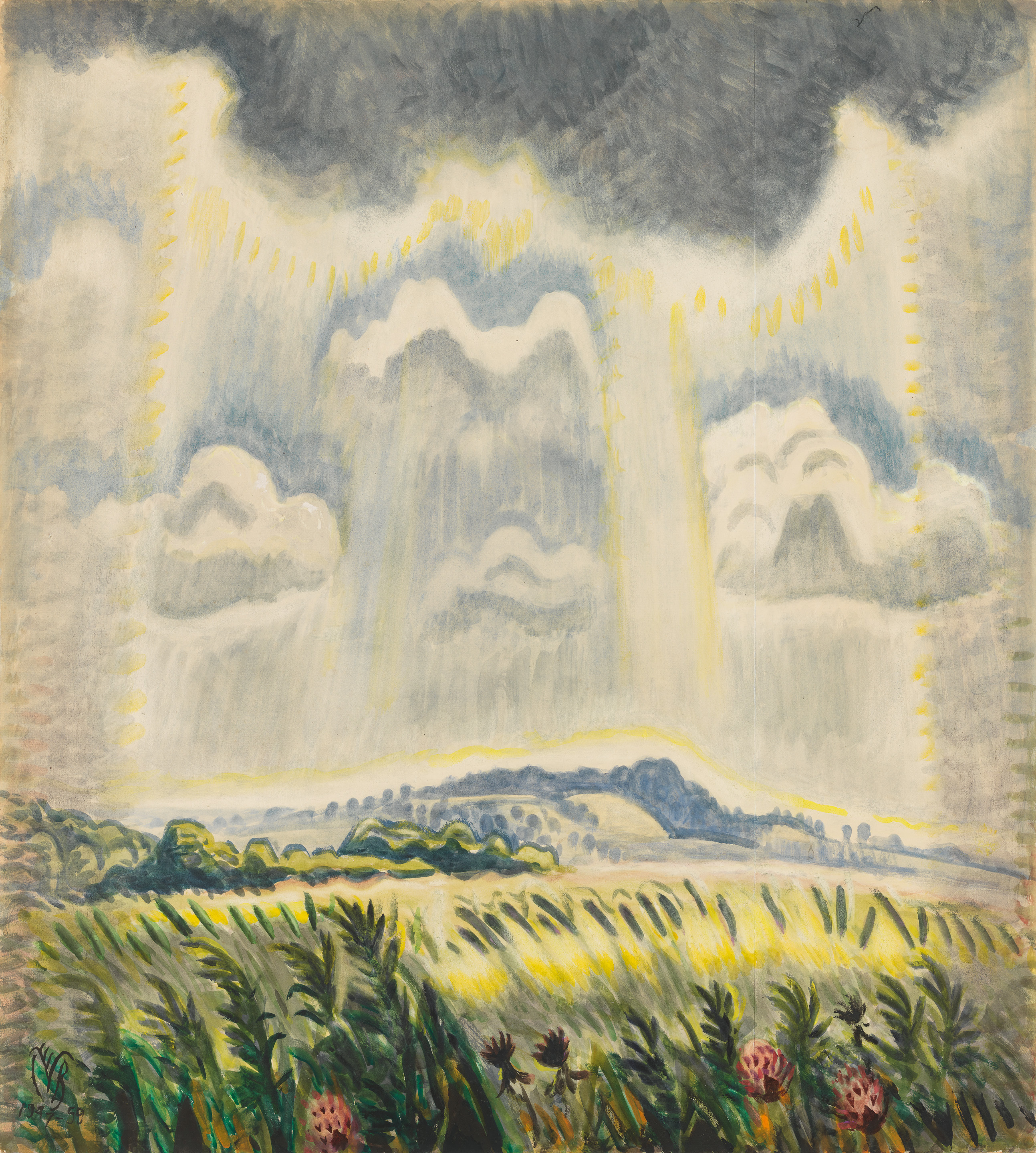
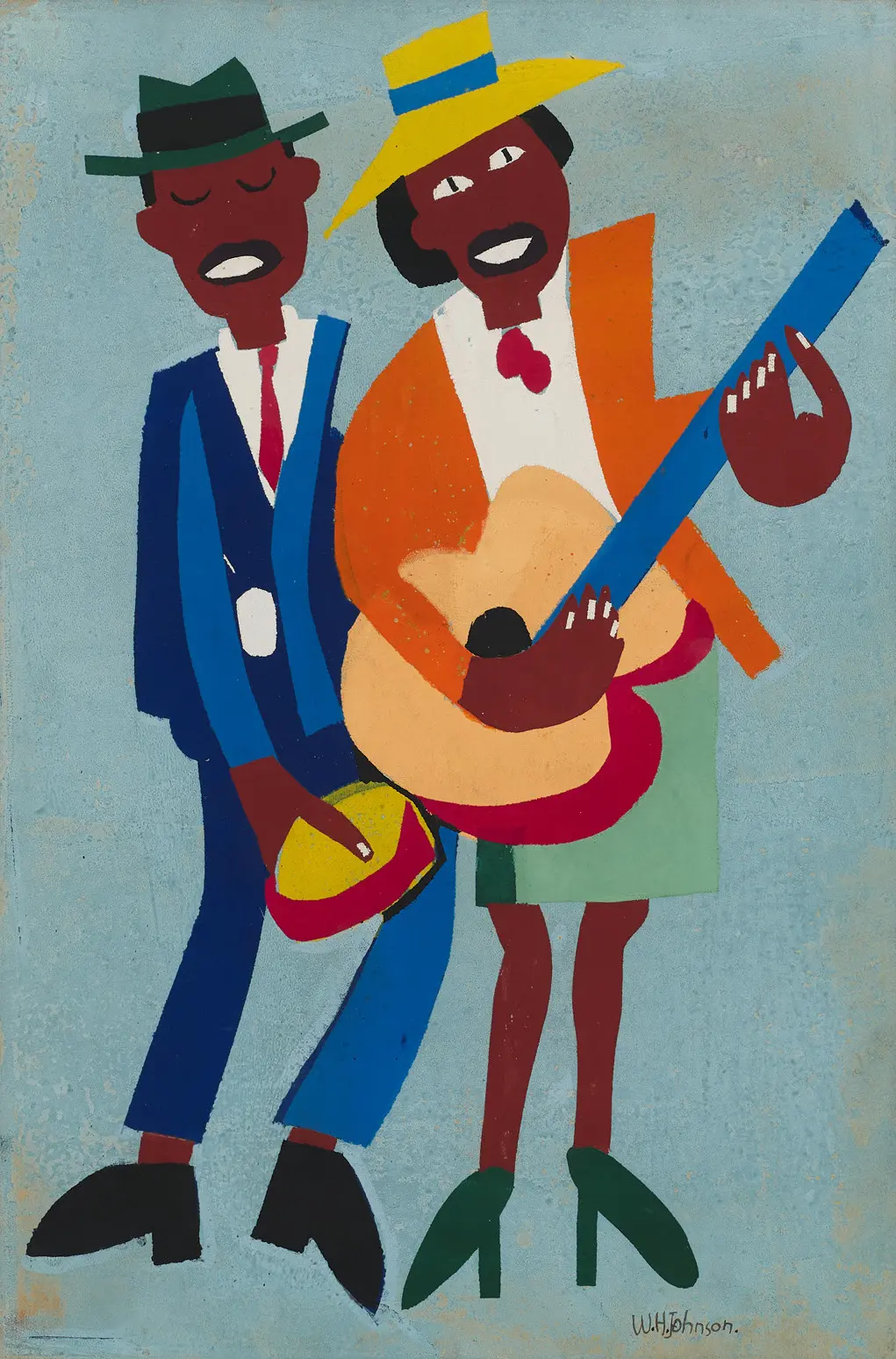
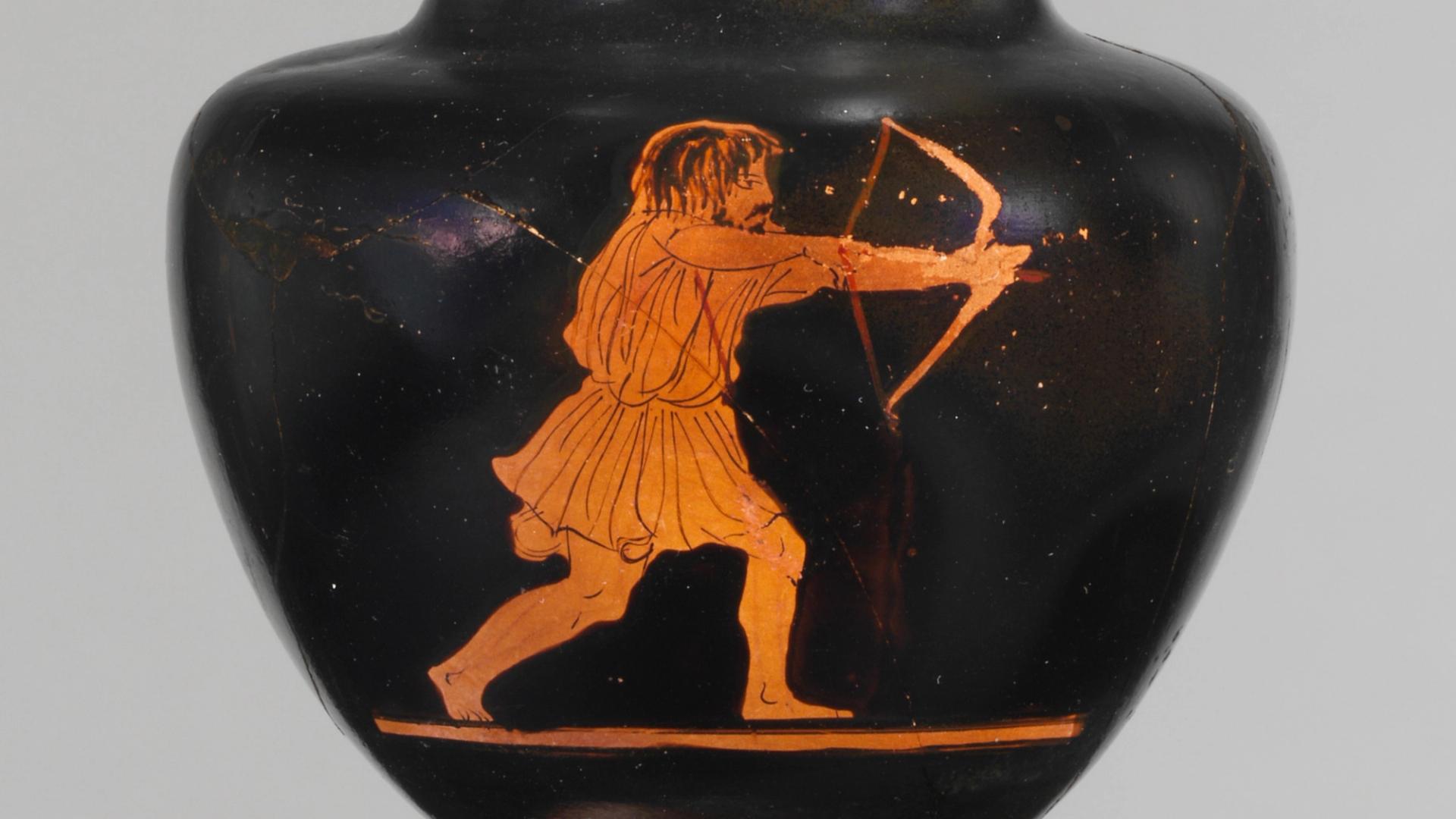
 Image: Metropolitan Museum of Art, New York
The Metropolitan Museum of Art is spotlighting Homer’s 'Odyssey' through a small group of works now on view in its galleries, tracing the story of Odysseus across seven objects that range from antiquity to later art. In its latest newsletter, The Met described the selection as a way to follow the epic’s travels across millennia, from a tiny carnelian scarab depicting the Trojan Horse to what it identified as the earliest discovered Ptolemaic papyrus fragment of Homer’s poem.
The museum’s presentation is framed as a cross-collection encounter rather than a single exhibition space. According to the newsletter, the works are “currently on view in The Met’s galleries,” inviting visitors to encounter them in different departments and contexts around the museum. That approach fits The Met’s large encyclopedic structure, where ancient Greek, Roman, Etruscan and later works are often encountered side by side through interpretive themes rather than in one dedicated show.
Among the seven objects listed in the newsletter are a Greek Attic terracotta oinochoe attributed to the Disney Painter, dated ca. 430–420 BCE; a Roman marble head and torso of Athena from the 1st–2nd century CE; an Etruscan carnelian scarab from 500–475 BCE; and a Greek Melian terracotta plaque from ca. 460–450 BCE. The selection also includes a detail of Andrea della Robbia’s 'The Assumption of the Virgin' ('The Marquand Altarpiece'), ca. 1485, showing that the museum is linking Homeric narrative not only to classical antiquity but also to later artistic traditions that continued to mine ancient myth.
The other objects referenced in the newsletter extend that timeline still further. The Met cites John Trumbull’s portrait 'Thomas Jefferson' from 1788, a 1466 woodcut titled 'The Hand as Mirror of Salvation' from the National Gallery of Art in Washington, and a Tairona gold figure pendant from Colombia, dated 900–1600 CE. The inclusion of works outside the Greek and Roman world suggests the museum is using the 'Odyssey' as a broad narrative framework, one that can connect different periods, materials and visual cultures without collapsing their individual histories.
The newsletter also places the 'Odyssey' feature alongside other current Met programming, including 'Rediscovering Della Robbia at The Met', 'Giacometti in the Temple of Dendur', 'Musical Bodies', 'Creatures of Myth and Imagination: Europe and the Americas', 'Costume Art' and 'Orientalism: Between Fact and Fantasy'. Those mentions provide institutional context, but the Homer material itself is presented as a separate gallery-based feature rather than a special exhibition with a single venue or run listed in the source.
The Met’s description emphasizes the endurance of Homer’s epic as a subject for artists over time. By grouping a scarab, papyrus fragment, sculpture, ceramic vessels, a plaque, a Renaissance altarpiece and later works under the heading of Odysseus’s story, the museum is presenting the poem as something continually reinterpreted across mediums and centuries. The newsletter offers no single venue or closing date for the feature, only that the objects are currently on view in The Met’s galleries.