 Image: The National Museum of Modern Art, Tokyo
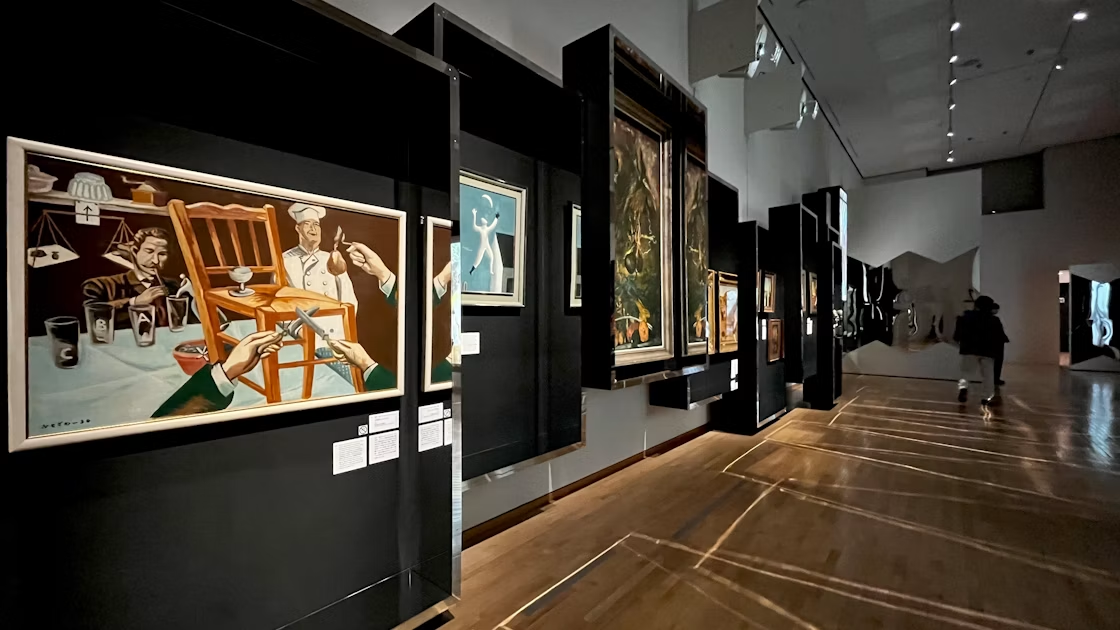
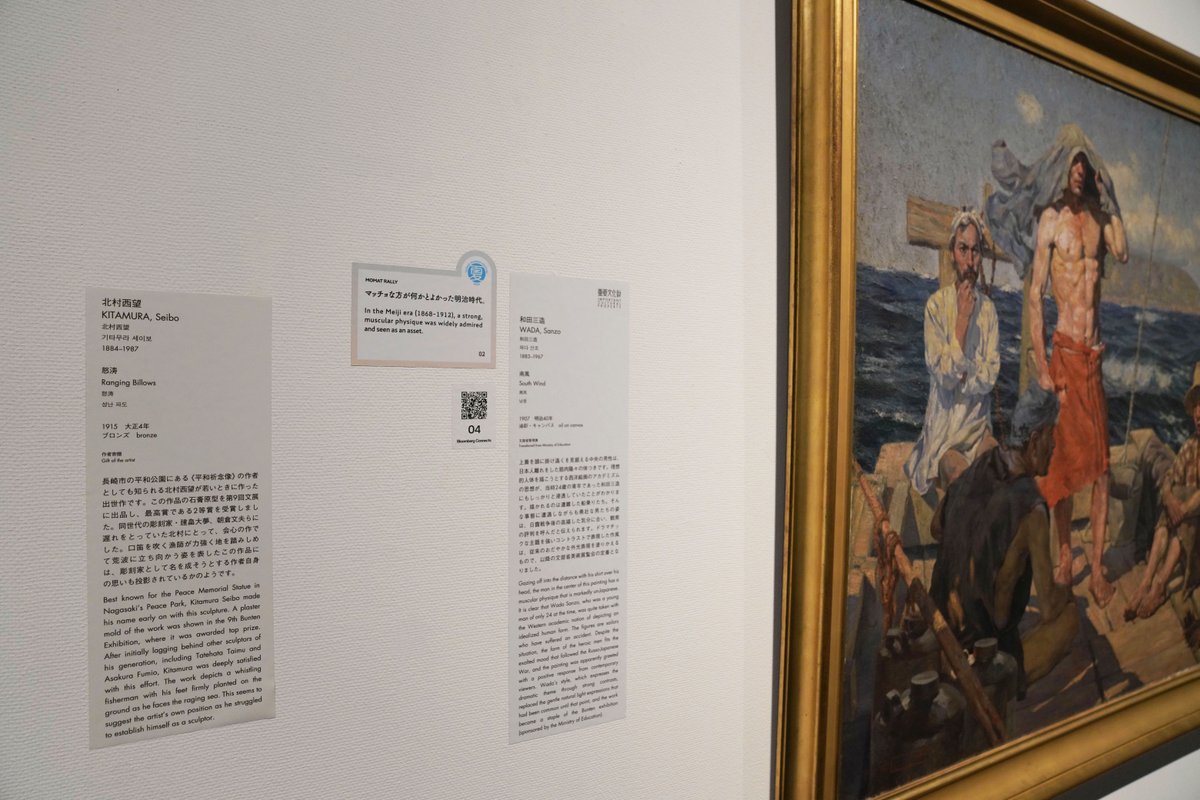
The National Museum of Modern Art, Tokyo, is highlighting its summer season with a new ‘summer’ logo and a collection-based viewing activity in its ‘MOMAT Collection’ galleries. According to the museum’s post, the initiative is running in the exhibition rooms, where visitors can take part in ‘Easy! MOMAT Rally’ and explore selected works from the permanent collection.
The museum says the collection presentation is divided into 14 rooms, and each room features recommendations chosen by the curator responsible for that section. Those selections are accompanied by what the museum describes as fun curator comments, offering visitors a guided way to move through the galleries and encounter works that individual staff members have singled out.
The announcement frames the activity as a casual way to engage with the museum’s holdings during the summer period. Rather than presenting a single exhibition theme or a temporary loan show, the museum is using the structure of its collection galleries to encourage attention to works already on view at MOMAT. The post does not specify particular artists or works included in the rally.
The National Museum of Modern Art, Tokyo, commonly known as MOMAT, is Japan’s leading state museum for modern art and one of the central institutions for the display and study of modern and contemporary art in Tokyo. Its collection exhibitions regularly present works from the museum’s holdings across multiple rooms, and the current post points visitors toward that permanent-gallery format.
The museum’s summer branding appears alongside the collection display, signalling a seasonal layer to the visitor experience. The post presents the logo, the ‘MOMAT Collection’ rooms and the ‘Easy! MOMAT Rally’ as part of the same in-museum visit, with the curator-selected recommendations functioning as the main interpretive tool.
No dates were given in the post for the activity, and no separate exhibition venue was identified. The museum’s message instead focuses on the structure of the collection galleries themselves, which are spread across 14 rooms and feature curator-chosen highlights with accompanying commentary.