 Image: Watanabe Museum of Art, Tottori
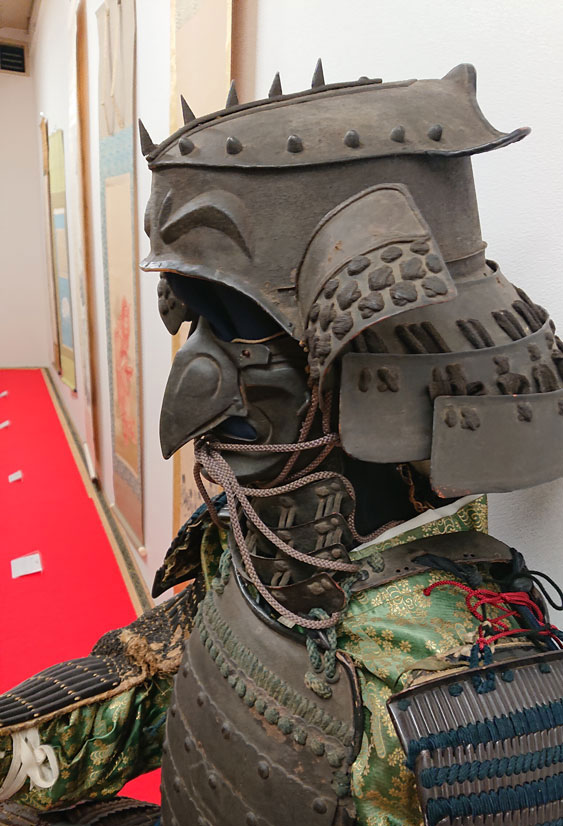
Watanabe Museum of Art in Tottori has announced a special exhibition titled 'THE 妖 -AYAKAHI-', drawing attention to historical armor and masks with an unsettling, otherworldly appearance. In a post introducing one of the show’s highlights, the museum points to a late Momoyama-period suit of armor fitted with a karasutengu mask, described as having an unusually long nose and a helmet top lined with sharp spikes.
The museum’s note emphasizes the armor’s strange physical presence rather than decorative excess. Instead of presenting the object as simply ornate, the post invites viewers to consider why it was shaped in such a way, framing the piece as something that prompts reflection on design, symbolism and the imagination that informed its creation. The object is presented as an example of the kind of visually striking material the exhibition brings together under the theme of 'yō', the Japanese idea of the uncanny or supernatural.
Watanabe Museum of Art is based in Tottori, Japan, and the exhibition is listed there as beginning on 7 August 2026. The museum’s social media post identifies the show as an exhibition project and pairs the title with the hashtag for 'yō', suggesting a focus on eerie or transformed forms rather than a straightforward historical survey. The institution’s announcement, however, gives only limited detail about the full contents of the exhibition.
The highlighted armor dates to the late Momoyama period, placing it in a significant moment of Japanese material culture when protective gear could also carry strong visual and symbolic force. The museum’s description singles out the mask and the pronounced features of the helmet, both of which contribute to the object’s distorted profile. The piece appears to be used in the exhibition as a key example of how historical craft could produce forms that feel unexpectedly fantastical to modern viewers.
The exhibition title, written as 'THE 妖 -AYAKAHI-', combines English and Japanese script in a way that underscores the show’s interest in cross-cultural or conceptual framing. Even in the brief announcement, the museum positions the armor not as a static relic but as an object that still raises questions about intention and appearance. No further schedule details were provided in the source material.