 Image: Galleria Sabauda, Turin
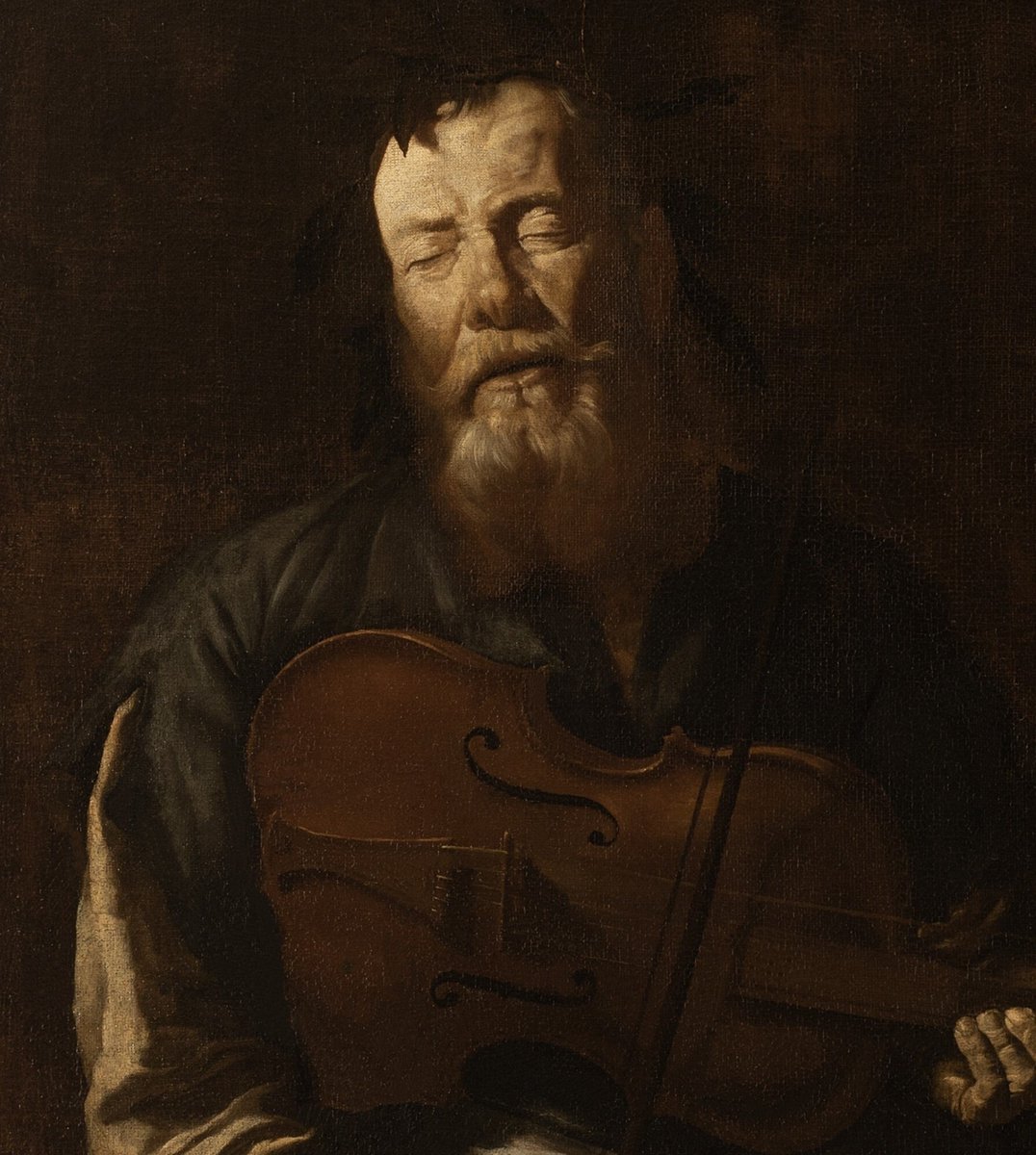
A post from Turin’s Galleria Sabauda is highlighting a 17th-century painting that depicts Homer as an elderly blind man crowned with laurel. The work, identified as 'Pittore nordico, Omero cieco detta i suoi versi', dates to around 1630 and is an oil on canvas.
According to the museum’s description, Homer is shown with a ray of light striking his face, a detail credited to the artist’s naturalistic treatment of the subject. The image presents the classical poet not as an idealized figure, but as an older, blind man in the act of reciting his verses. The composition draws directly on the enduring artistic tradition of representing Homer as both authoritative and vulnerable, combining literary reference with closely observed portrait-like detail.
The painting comes from the collection of the Galleria Sabauda, part of the Musei Reali in Turin. The museum’s social media post frames the work as a notable example within its holdings, using the image to foreground a theme that connects classical antiquity, poetic authorship and early modern painting. No exhibition announcement or event details were included in the post.
The title supplied by the museum, 'Pittore nordico, Omero cieco detta i suoi versi', identifies the subject and the work’s approximate date, but does not add further attribution in the text provided. The post’s emphasis remains on the visual depiction: Homer appears aged, blind and laurel-crowned, while the lighting effect draws attention to his face and reinforces the dramatic focus of the scene.
The reference to the '#odissea' tag also places the image in the orbit of Homeric literature, especially the poetic tradition associated with the 'Odyssey'. In the museum’s presentation, the painting functions as both an art-historical object and a visual interpretation of one of the most recognisable figures of the classical canon.
Galleria Sabauda’s post offers a succinct look at a work that merges northern European painting conventions with a subject drawn from ancient literary culture. The museum identifies the painting as an oil on canvas from around 1630 and underscores its naturalism in rendering Homer’s face and expression.