 Image: Museo di Capodimonte, Naples
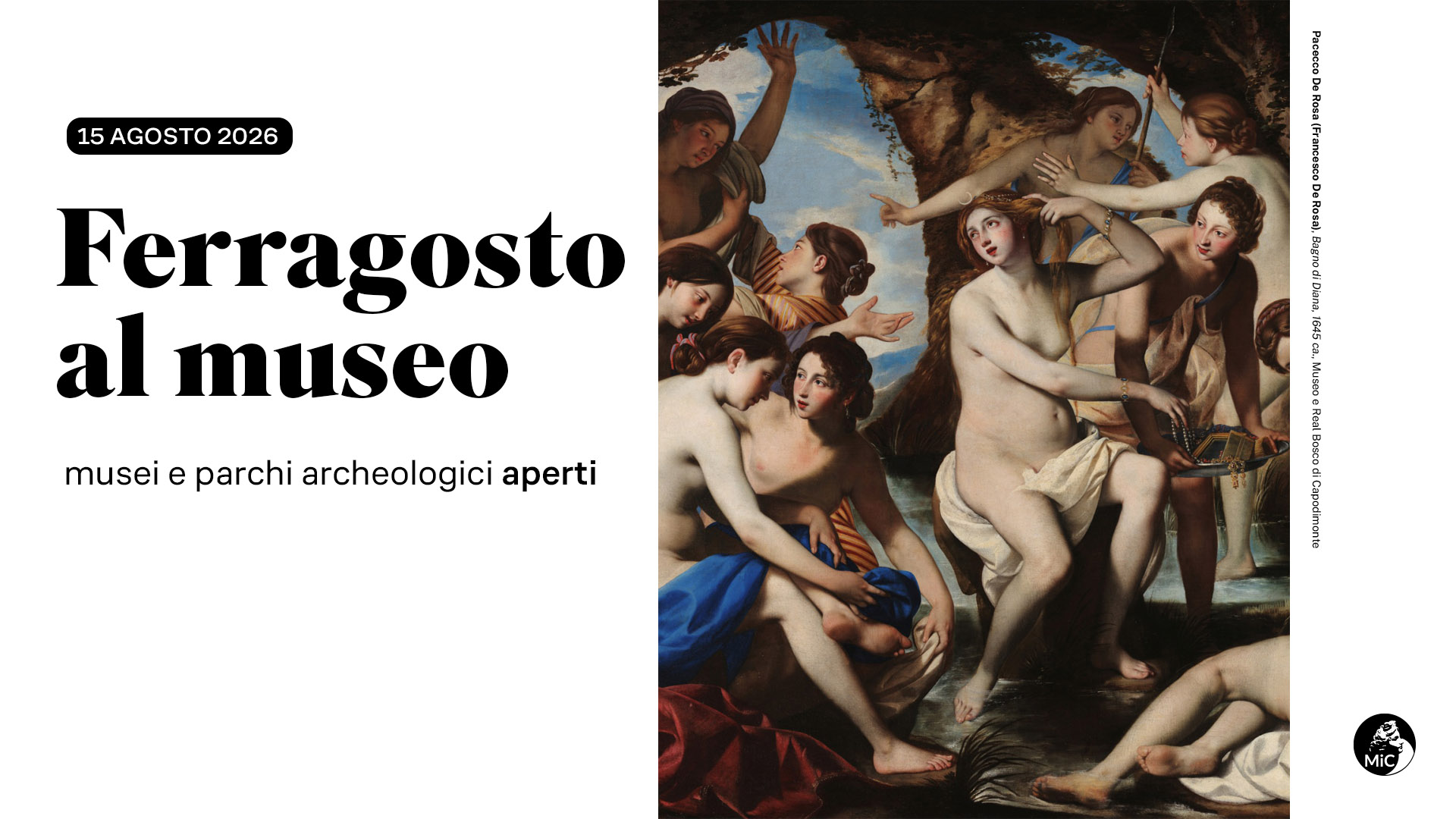
Museo e Real Bosco di Capodimonte in Naples will open throughout the Ferragosto weekend on 15 and 16 August 2026, with standard ticket prices. The museum announced the extraordinary opening in a notice published on 3 August, saying visitors can buy admission at the ticket office or through the Musei italiani website and app. The weekend opening adds a holiday option for both tourists and local visitors, with access framed as a chance to move between major artworks and the surrounding Real Bosco.
During the two-day opening, visitors will be able to see the Porcelain Gallery, the second floor with the 'Art from Naples 200 to 1700' collection, the Hall of Masterpieces in room 62, and Emilio Isgrò’s 'Canto Napoli'. The first floor and the third floor, including the contemporary art and 19th- to 20th-century sections, will remain closed. The Porcelain Gallery and room 62 will be open from 8.30 a.m. to 7.30 p.m., with last entry at 6.30 p.m., and the second floor, including 'Canto Napoli', will follow the same timetable.
The Porcelain Gallery is one of the newer visitor draws in the museum’s circuit. Opened on 11 June 2026 after work funded by the Ministry of Culture and by private patronage, it occupies 16 rooms and presents a selection from a ceramic holding of around 7,000 pieces, made up of porcelain and earthenware, largely from the Bourbon collection and supplemented by acquisitions and gifts since Italian unification. The entry sequence also includes Diego Cibelli’s site-specific installation 'Beata fragilità del Bosco Amato' (2026), in biscuit porcelain, acquired with support from Gianfranco D’Amato and Brunella Trimarco.
' Canto Napoli' is presented by the museum as a project dedicated to the city of Naples and curated by museum director Eike Schmidt. Installed since 10 April in rooms 81, 83 and 84 on the second floor, it brings Emilio Isgrò’s signature practice of 'cancellation' to Neapolitan music for the first time. The museum describes Isgrò, born in 1937 in Barcellona Pozzo di Gotto, as a major figure in international contemporary art, known for a practice developed from the 1960s that has been applied to texts ranging from 'The Betrothed' and 'The Bible' to 'The Odyssey' and the Italian Constitution.
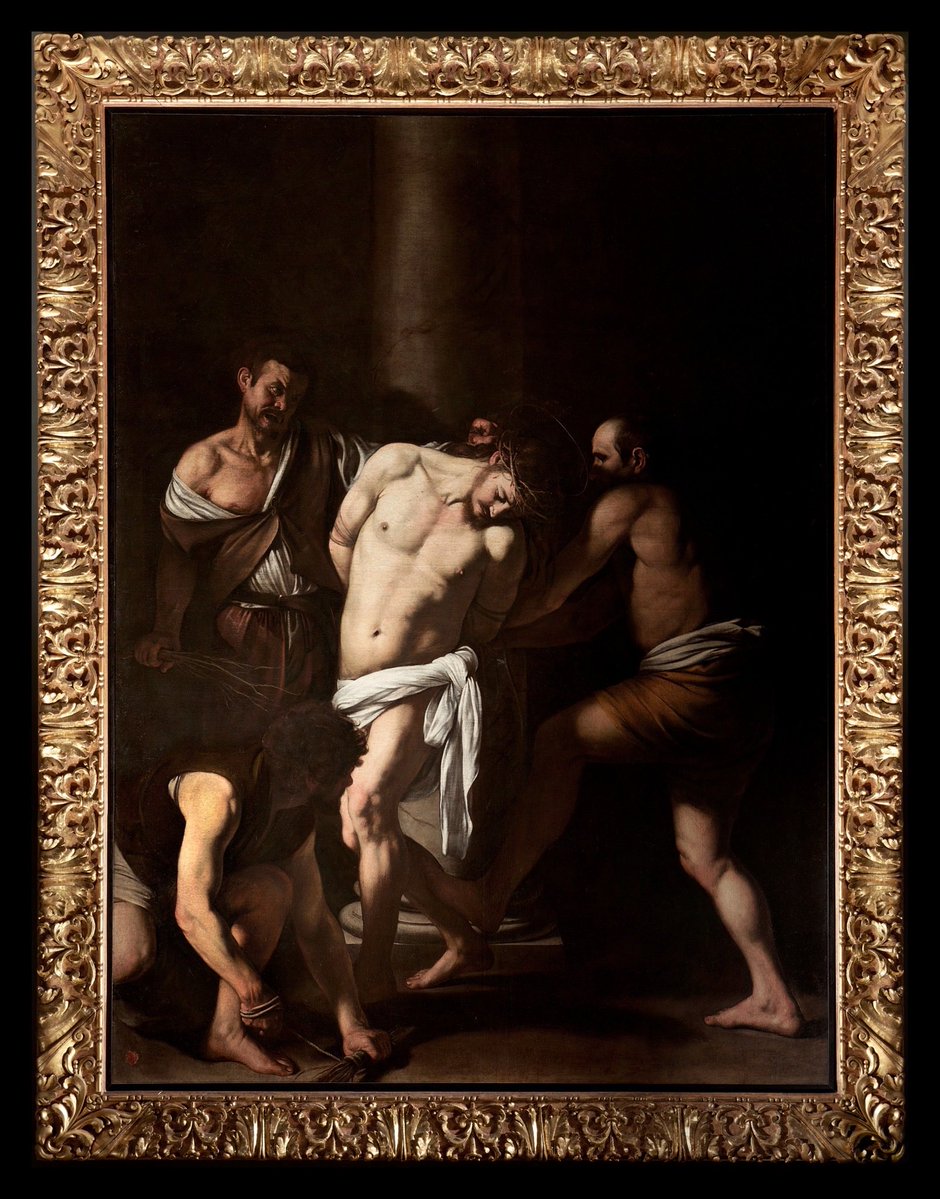
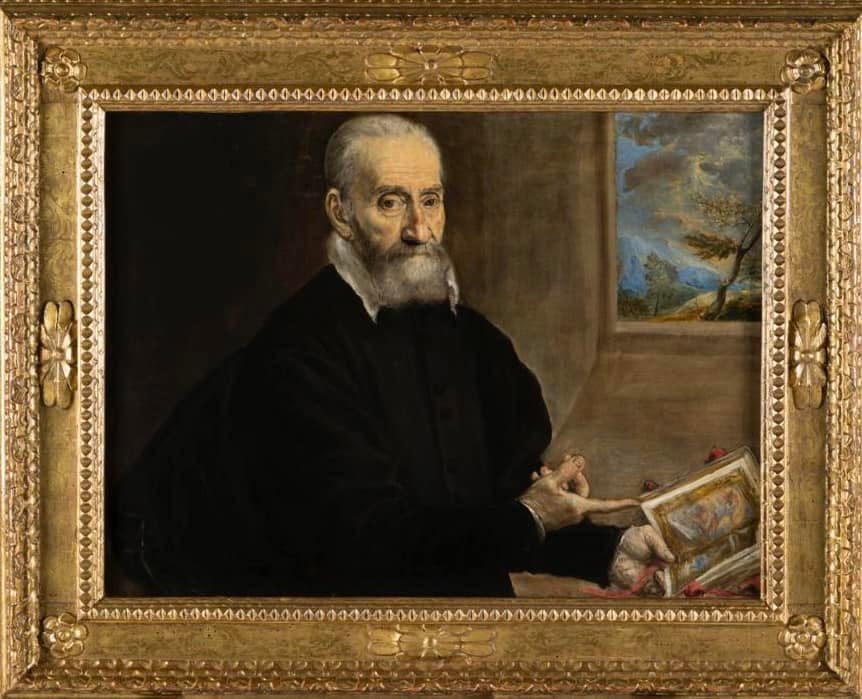
The Hall of Masterpieces will bring several of Capodimonte’s best-known paintings into the holiday itinerary. Among the works listed are Titian’s 'Danae' (1544-1545), Parmigianino’s 'Antea' (1535), Artemisia Gentileschi’s 'Judith Beheading Holofernes' (1612-1613), Caravaggio’s 'The Flagellation' (1607), and Andy Warhol’s 'Vesuvius' (1985), a donation from Lucio Amelio. Also included are portraits such as the 'Portrait of Luca Pacioli', attributed to Jacopo de’ Barbari, Lorenzo Lotto’s 'Bernardo de’ Rossi, Bishop of Treviso', and El Greco’s 'Portrait of Giulio Clovio'.
The museum also highlights the 'Cassetta Farnese', a sixteenth-century goldsmith’s masterpiece that may once have held the illuminated Book of Hours shown in El Greco’s portrait of Clovio. The notice places the holiday opening in the broader setting of Capodimonte’s park and historic bosco, describing the site as a former summer residence of King Charles of Bourbon and a landscape of rare plantings, avenues, historic buildings, fountains, orchards and views over Naples and the Gulf.