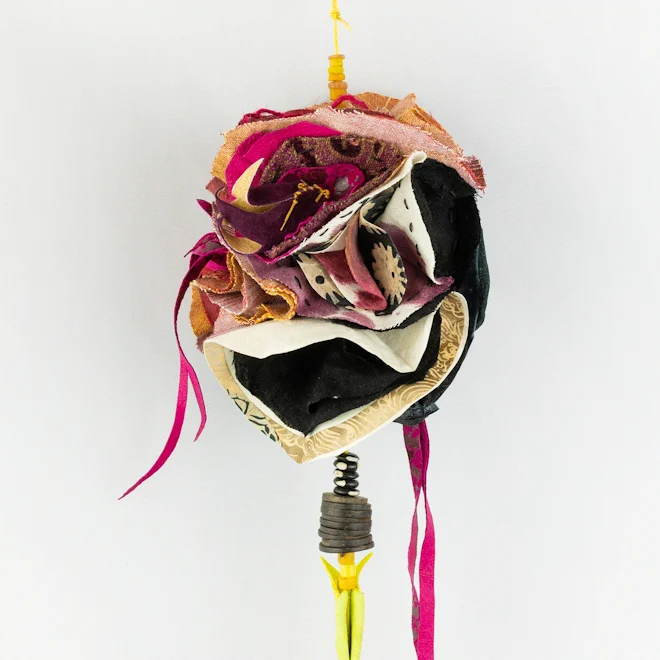
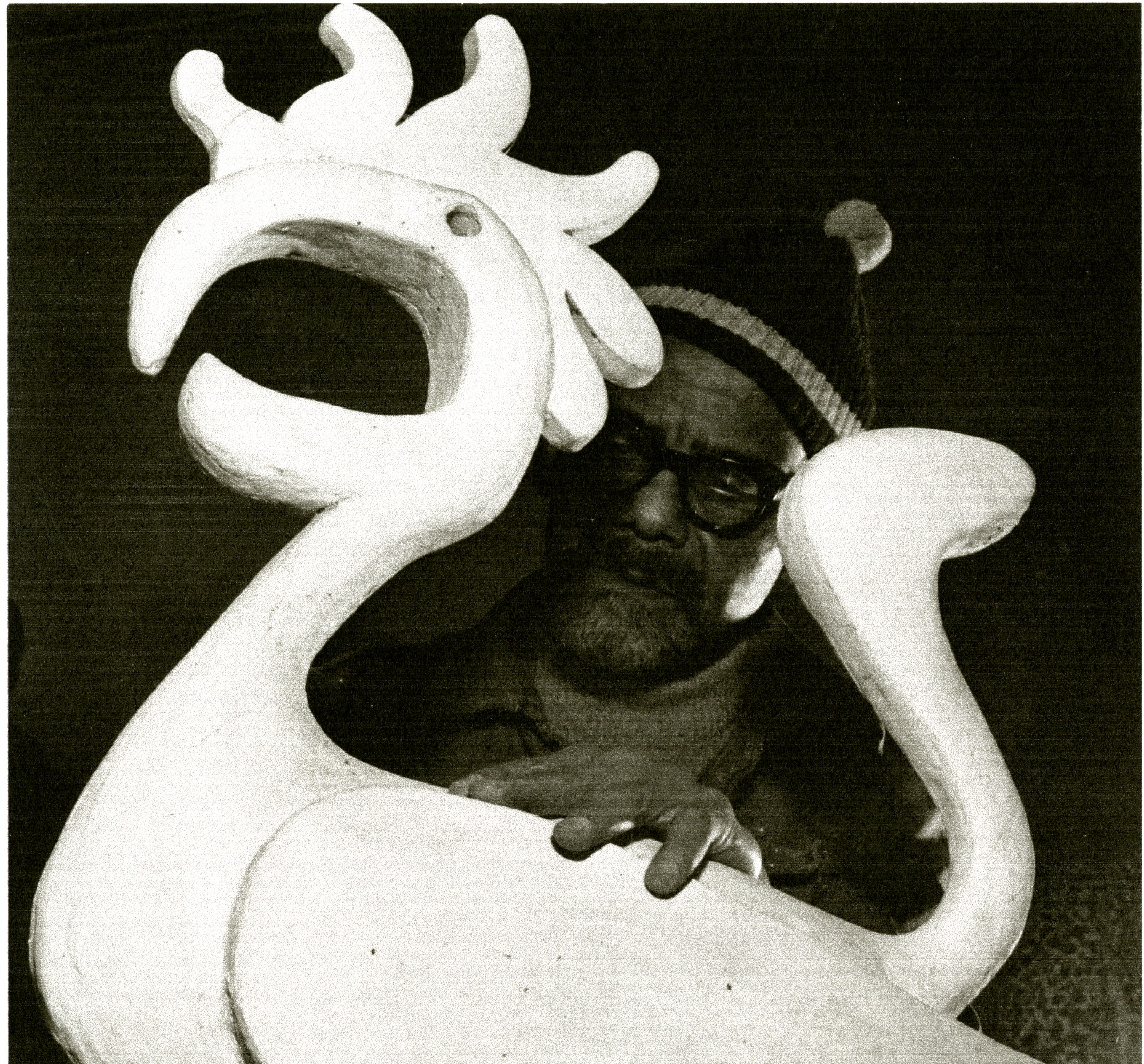
The Hepworth Wakefield has opened a major exhibition devoted to Indian artist Mrinalini Mukherjee, bringing her work into dialogue with the wider history of women sculptors from India and Bangladesh. Titled Mrinalini Mukherjee: Unbound Forms, the show is on view at the Wakefield museum from 23 May to 1 November 2026, and is presented alongside other highlights from the gallery’s collection of modern British art.
The exhibition is framed by the museum as a retrospective of Mukherjee’s practice, with the gallery describing it as a major presentation that celebrates both the artist and the women sculptors of India and Bangladesh. That positioning matters for The Hepworth Wakefield, an institution best known for its commitment to modern sculpture and for the collection built around Barbara Hepworth and other 20th-century British artists. By placing Mukherjee in this context, the gallery extends its sculptural story beyond the British canon and underscores the international scope of modern and contemporary form-making.
Mukherjee’s inclusion also reflects a wider curatorial interest in expanding the histories told by museums that are often associated with European modernism. The Hepworth Wakefield’s current programme includes several collection displays, but Mrinalini Mukherjee: Unbound Forms stands out as a focused retrospective within that broader setting. The exhibition’s subtitle, Women Sculptors of India and Bangladesh, signals that the project is not only about one artist’s achievement but also about the artistic lineages and shared histories her work helps to illuminate.
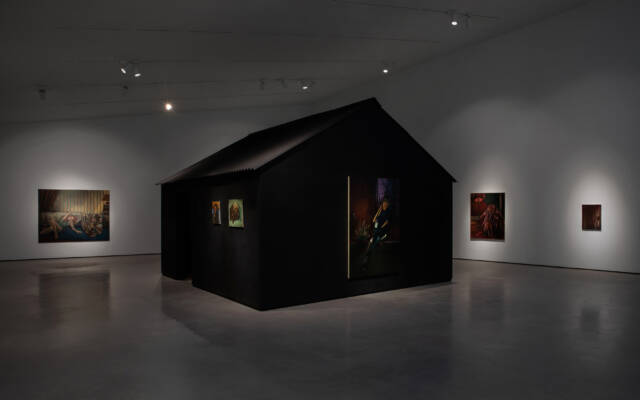
The museum’s own website lists the exhibition among its new summer shows, with free admission for members, Wakefield District residents and under-18s. It is one of several concurrent presentations, alongside Lewis Hammond: Crystal in the Shade, which is also on display until 1 November 2026. The pairing suggests a season in which The Hepworth Wakefield is using its galleries to connect collection-based interpretation with newly commissioned or newly contextualised artistic voices.
Mrinalini Mukherjee: Unbound Forms is also significant because it adds another dimension to the museum’s permanent strengths. The Hepworth Wakefield’s collection is rooted in modern British art, and its current displays include Modern Art and Modern Life: Highlights from Wakefield’s 20th Century Collection, A Living Collection, and Rhythm, Dance and Everything: The Body and Performance from Hepworth to Now. In that setting, Mukherjee’s work offers a broader art-historical frame, showing how sculptural experimentation can be read across geographies rather than within national silos.
For visitors and for the wider art world, the exhibition matters as part of a continued effort by museums to broaden the modern sculpture narrative. The Hepworth Wakefield has long used its collection and exhibition programme to test connections between historical sculpture and current practice; this show pushes that ambition further by foregrounding an artist whose work resonates internationally while also centring a regional museum audience in Wakefield. Running until 1 November 2026, it gives extended visibility to Mukherjee’s sculptures within an institution whose identity is closely tied to sculpture itself.