 Image: Center for Modern and Contemporary Art Debrecen
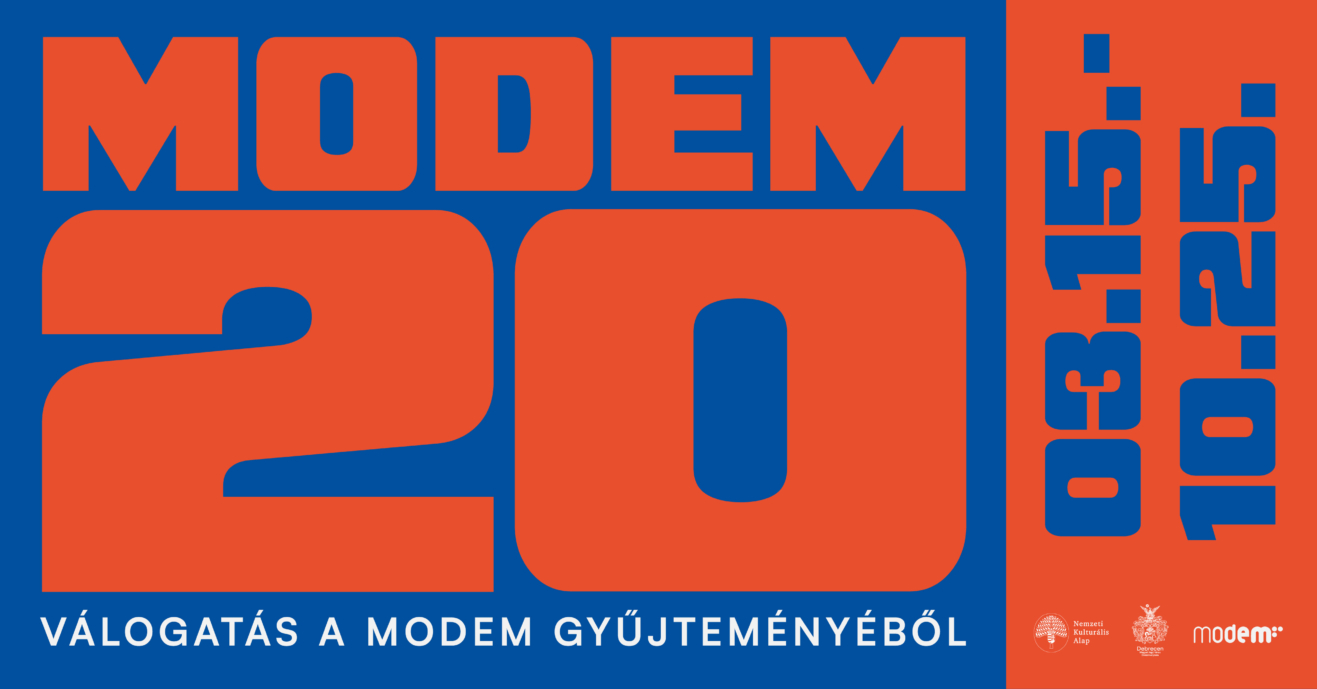
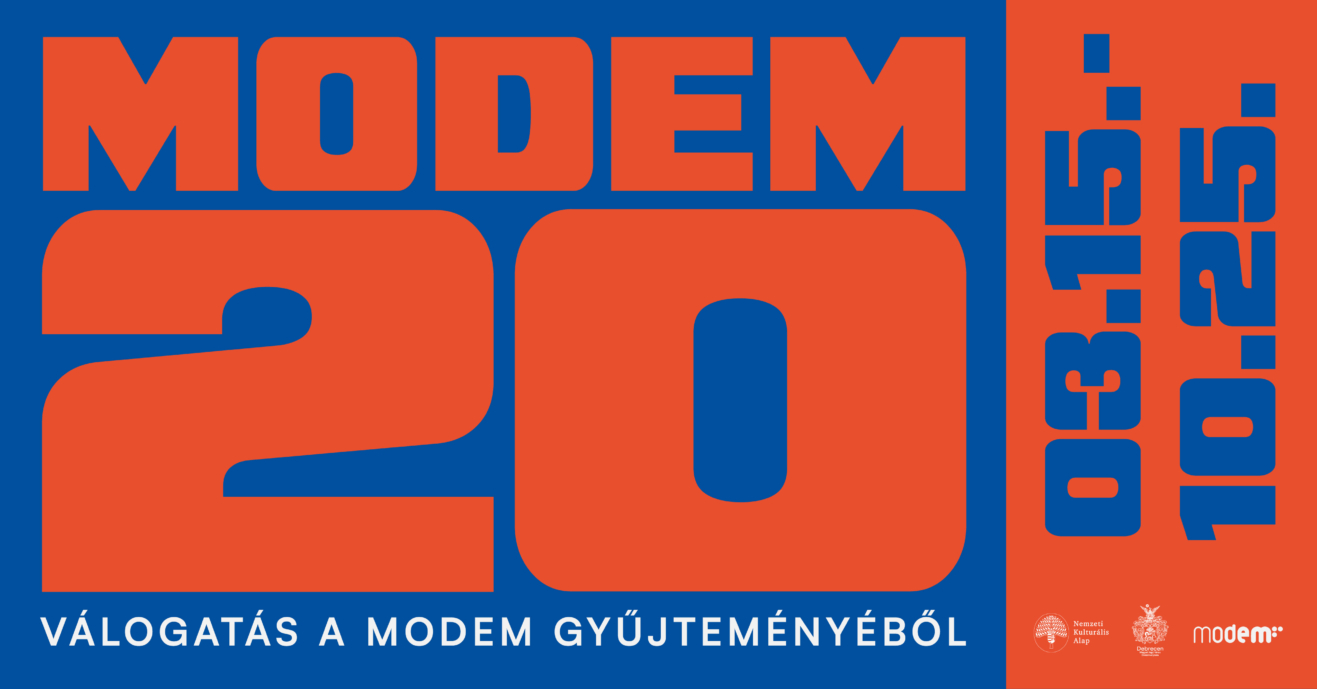
Debrecen’s Center for Modern and Contemporary Art, MODEM, is marking its 20th anniversary with an exhibition drawn from its own collection and shaped by the city’s cultural institutions. The show, titled “MODEM 20: Válogatás a MODEM gyűjteményéből” (“MODEM 20: Selection from the MODEM Collection”), runs from March 15 to October 25, 2026, and is curated by Don Tamás.
According to the museum, the anniversary project looks back on the institution’s role since its founding in 2006 while also reflecting the breadth of Debrecen’s cultural and educational life. For the exhibition, MODEM invited 20 Debrecen-based partner institutions that it has worked with over the past two decades to each select one work from the collection and supply a short written explanation. The institution says this was meant to present the collection through multiple viewpoints and to offer a “kaleidoscopic” picture of the city’s cultural diversity.
The exhibition also includes a second section built around artists who have a connection to MODEM, including those who have previously shown there but whose work had not yet been acquired by the museum. The list of artists featured is extensive and spans generations and media, with names including Birkás Ákos, Bukta Imre, Société Réaliste, Szilágyi Lenke, Vincze Ottó and others. The project therefore functions not only as an anniversary display but also as a portrait of the collecting history and exhibition relationships that have shaped the institution’s identity.
The partner institutions involved range from universities and schools to museums, libraries, a theatre, a festival and municipal cultural offices. Among them are the University of Debrecen’s Botanic Garden, several departments within the university’s Faculty of Humanities, the Déri Museum, the Debrecen Reformed College Museum, the Méliusz Juhász Péter Library, the Vojtina Puppet Theatre, Campus Festival, and Debrecen’s city government offices for culture and planning. MODEM’s own announcement places this collaboration at the center of the anniversary, presenting the museum as a civic as well as artistic institution.
The “MODEM 20” exhibition matters because it frames a collection show as a citywide cultural statement rather than a simple inventory of holdings. By asking local partners to choose the works, MODEM has turned the anniversary into a public reading of its collection, one that underscores how contemporary art is received, used and interpreted across Debrecen’s institutions. That approach gives the museum’s holdings a broader social context while highlighting the networks that sustain a regional contemporary art center.
The anniversary exhibition also sits alongside other current MODEM presentations, including solo shows by Kányási Holb Margit and Kádár Emese. Together, they point to an institution using its 20th year to balance collection display, artist-focused programming and local collaboration. For Debrecen, the result is a rare opportunity to see the museum’s collection not only as a record of acquisitions, but as a shared cultural resource shaped by the city around it.