 Image: Bodelwyddan Castle Art Gallery, Bodelwyddan
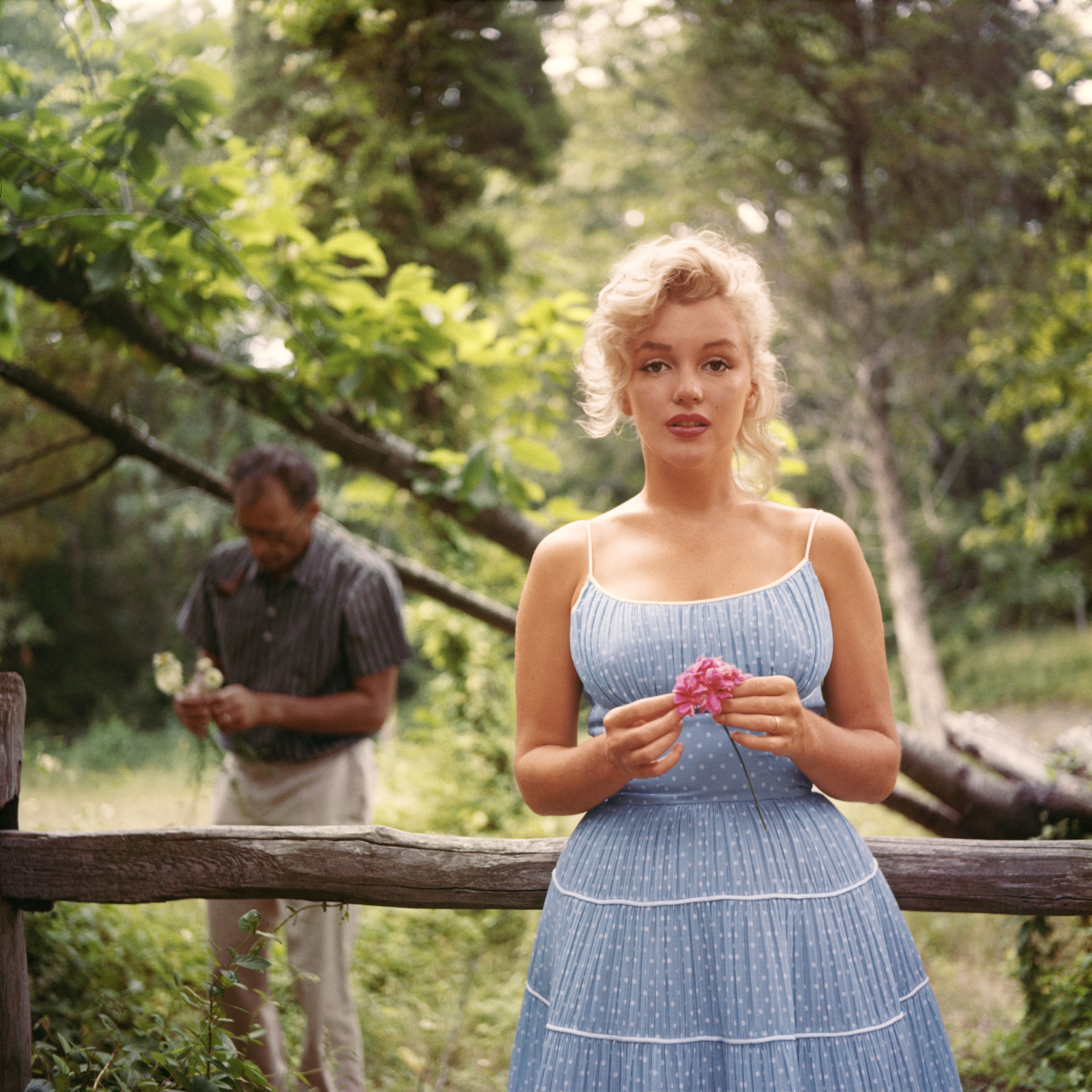
The National Portrait Gallery is presenting Marilyn Monroe: A Portrait until 6 September, with the exhibition described by the Gallery as bringing together an “extraordinary range of portraits” of Monroe, from Norma Jeane to Hollywood icon. The show is framed around Monroe’s own agency in image-making, a theme that places one of the 20th century’s most familiar faces within a broader conversation about authorship, performance and control in portraiture.
The exhibition appears in the Gallery’s July programme alongside History Makers Now, the Herbert Smith Freehills Kramer Portrait Award 2026 and other collection and public events, underlining how the institution is using portraiture to connect celebrity, contemporary practice and historical interpretation. For the National Portrait Gallery, which positions portraiture as a living public art form, Monroe’s case offers a particularly rich example of how an image can be both commercially circulated and personally shaped.
According to the Gallery’s subscriber email, the show spans portraits of Monroe “all the way from Norma Jeane to Hollywood icon” and asks visitors to “explore Monroe’s agency in her own image-making, and how she made the camera come to life.” That emphasis matters in the wider art world because it shifts attention from Monroe as a fixed cultural symbol to Monroe as an active participant in the construction of her own public identity. Within portrait history, that is a significant distinction: it reframes glamour photography and studio portraiture not simply as acts of depiction, but as negotiated visual performances.
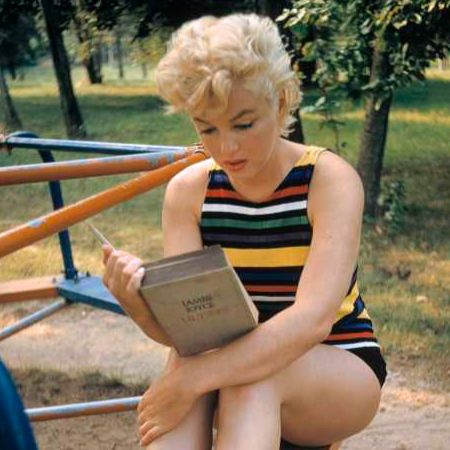
The exhibition also carries a strong archival dimension. The Gallery’s email identifies images by Eve Arnold among the featured material, and notes a talk on 10 July in which Professor, feminist and art historian Griselda Pollock joins Michael Arnold, grandson of photographer Eve Arnold, to discuss “Eve Arnold’s thoughtful and spirited images of Monroe throughout her career.” That event, offered onsite and online, situates the exhibition within a wider scholarly and familial context, reinforcing the importance of documentary photography in shaping Monroe’s legacy.
The National Portrait Gallery’s July communications present Marilyn Monroe: A Portrait as a timed summer draw, with the Gallery noting that tickets are “selling fast” and that the exhibition runs until 6 September. The same bulletin also highlights a new “Club NPG” scheme for 16- to 25-year-olds, offering £5 exhibition tickets, suggesting the institution is seeking to broaden access to its programme while spotlighting high-interest exhibitions.
The story matters because Monroe remains one of the most reproduced figures in modern visual culture, yet the Gallery’s framing asks viewers to think about agency rather than iconography alone. In a museum field that increasingly examines who controls images, and how public personas are constructed, Marilyn Monroe: A Portrait offers a timely reminder that portraiture is not only about resemblance. It is also about power, collaboration and the making of identity across time.