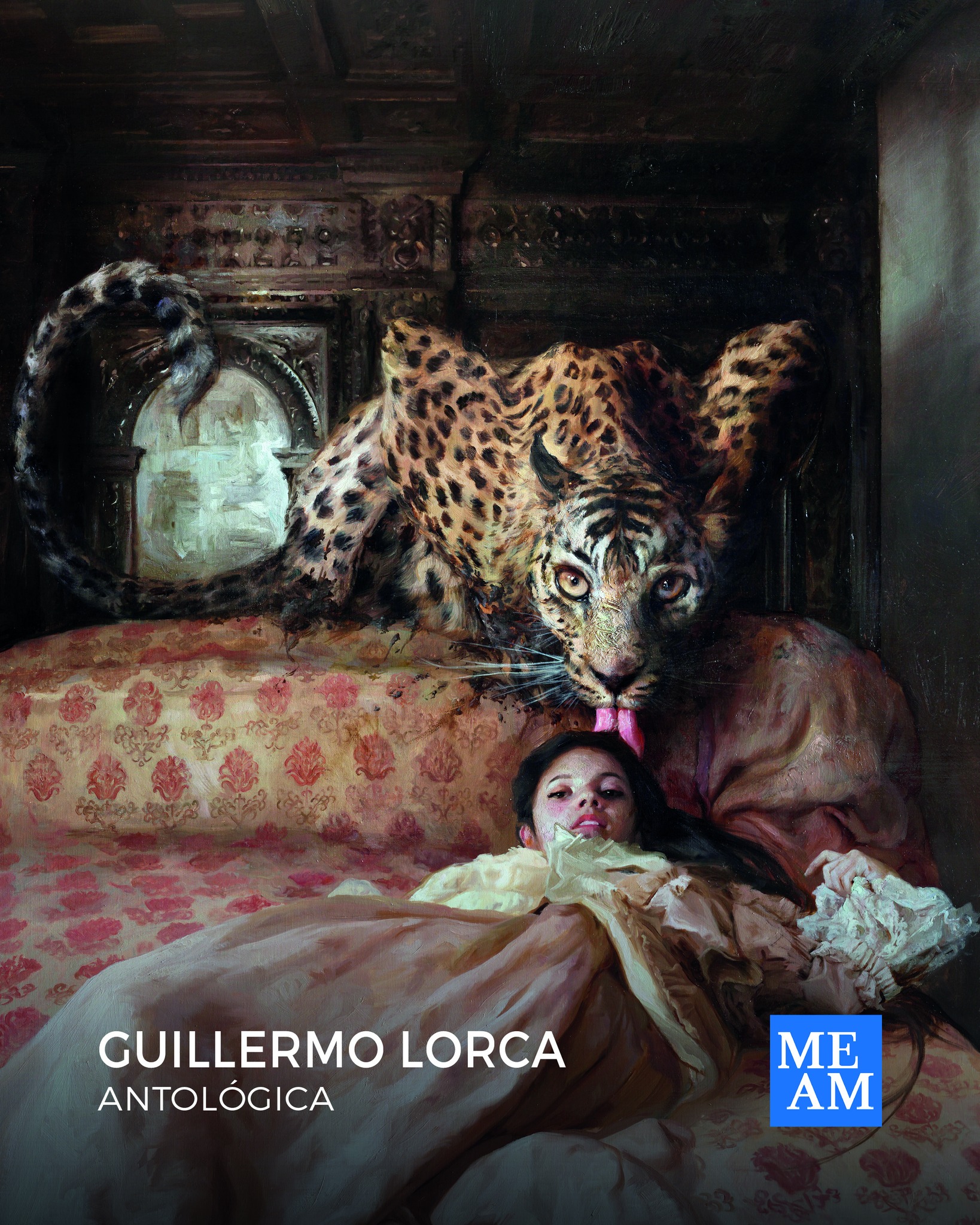
 Image: European Museum of Modern Art, Barcelona
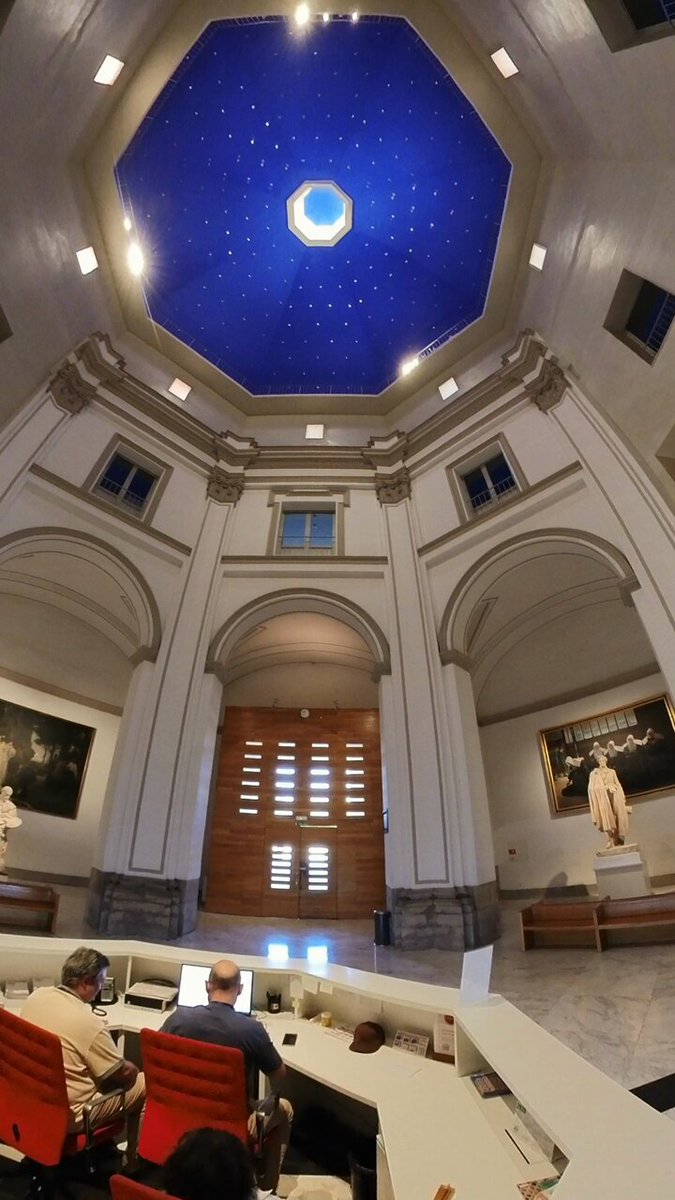
Barcelona’s European Museum of Modern Art (MEAM) is presenting La casa de arena, a major solo exhibition by Guillermo Lorca that traces his work from the last decade. The exhibition opened on May 28, 2026, and is scheduled to run through September 27, 2026, according to the museum’s exhibition page. MEAM describes the show as a broad survey of the artist’s recent practice rather than a single-theme presentation, positioning it as one of the museum’s key contemporary figurative exhibitions of the season.
The museum’s own text places Lorca’s work in a pictorial world where beauty and unease coexist. It highlights recurring tensions in his paintings, including childhood and threat, the human and the animal, and the intimate and the monumental. MEAM says his large-format oils build scenes of psychological tension and symbolic force, using an underlying balance of power and rivalry between nature and human action. The institution characterizes the paintings as seductive, unsettling and memorable.
MEAM’s framing is significant in the context of its own program. The museum states that it is dedicated to the defense and dissemination of figurative art and contemporary realism, and it presents the exhibition as a natural fit for the institution. That positioning helps explain why Lorca’s work appears in this setting: the exhibition aligns with MEAM’s wider emphasis on image-making traditions that remain central to contemporary painting, even as they carry strong symbolic and psychological content.
The museum also underscores Lorca’s international standing. According to the exhibition page, his work is moving firmly within the global art market and has institutional presence in museums and reference centers across Europe, Asia and Latin America. MEAM describes him as a contemporary painter with a singular pictorial language and a notable international trajectory despite his youth. The page also says he studied as an apprentice and assistant to Odd Nerdrum in Norway.
The exhibition page notes several previous presentations in Lorca’s career, including Eternal Life at the Museo Nacional de Bellas Artes, Nocturnal Animals at GAM Centro Cultural, The Encounter at Centro Cultural El Tranque, and The Splendor of the Night at MOCO Museum Barcelona, curated by Simon de Pury. It also states that he is currently presenting a solo exhibition at the National Gallery in Sofia, Bulgaria. These references sketch a practice that has already traveled widely and been shown in different institutional contexts.
For MEAM, La casa de arena is both a curatorial statement and a continuation of its exhibition program. The museum has long presented work related to figurative and realist art, and this show places a contemporary painter with an international profile inside that framework. For audiences and observers of figurative painting, the exhibition offers a focused look at how Lorca’s imagery, scale and symbolic intensity have developed over the course of the past decade.
The exhibition matters beyond the museum because it reflects the continuing institutional relevance of figurative painting in Europe. By giving Lorca a substantial solo show, MEAM is not only highlighting an artist with a growing global presence; it is also reinforcing the place of psychologically charged, symbol-rich painting within current museum programming. In a crowded contemporary field, that is a meaningful curatorial choice.