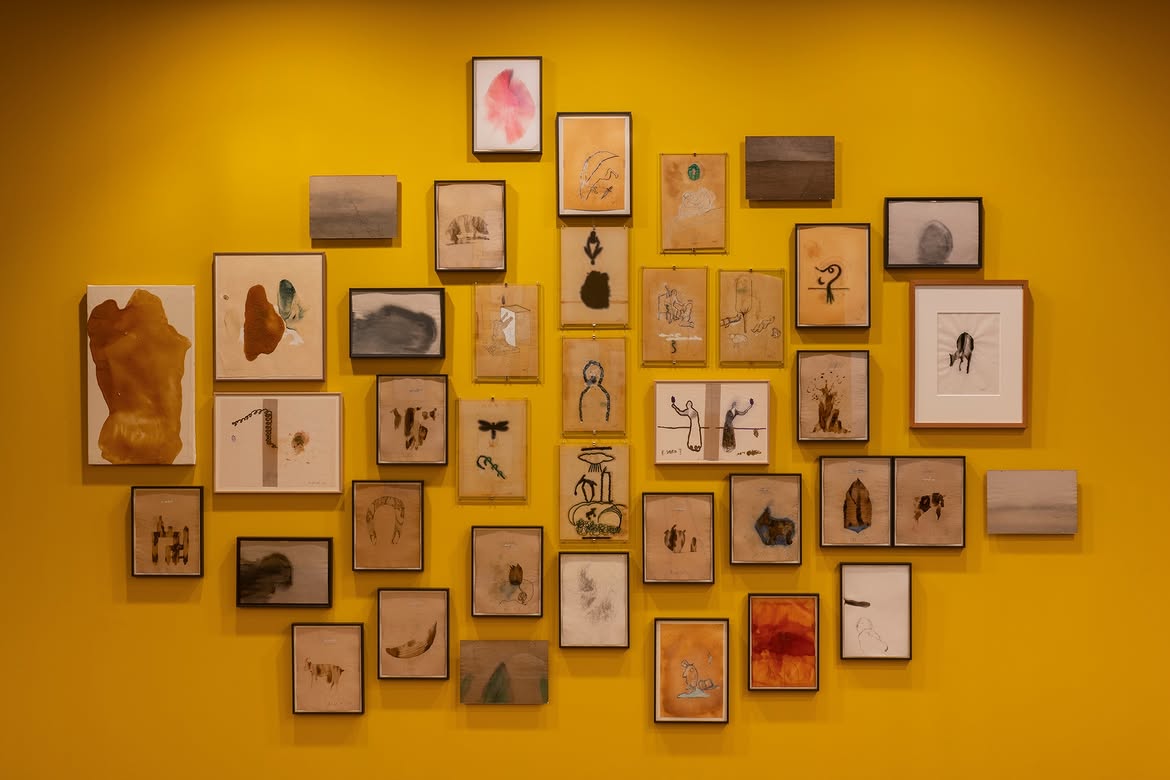
 Image: Tàpies Museum, Barcelona
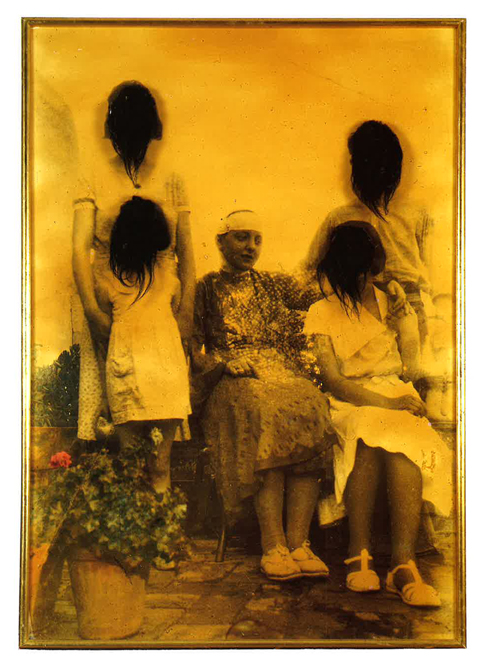
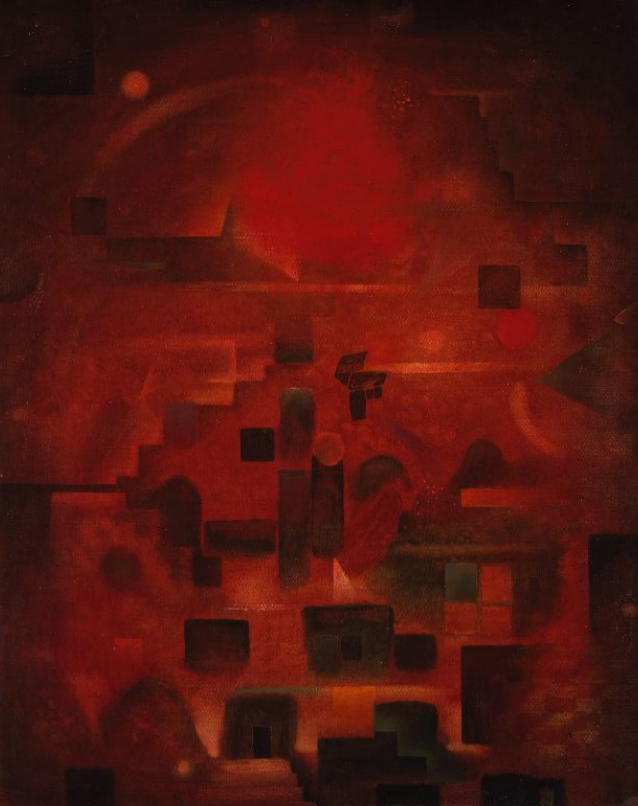
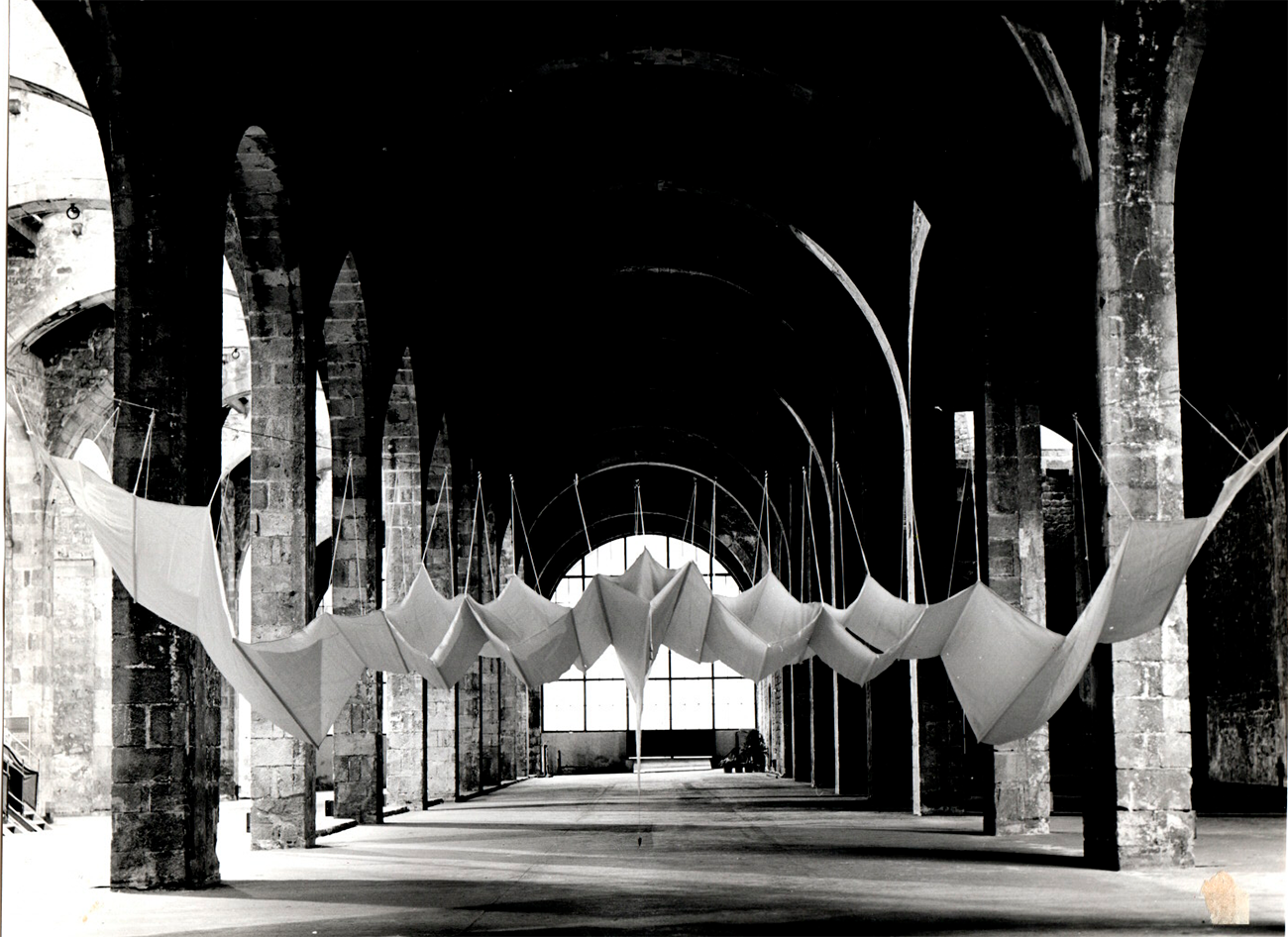
Tàpies Museum in Barcelona is promoting an exhibition titled ‘Àngel Jové. De intactu’, describing it as a work “full of contrasts” that reflects the collective consciousness of the post-war period through the experiences of those most vulnerable. The museum’s brief announcement presents the project as an interpretive lens on a historical moment whose echoes, it says, still resonate today.
The post does not provide a full exhibition checklist, curatorial statement or installation details, but it does position Jové’s work within a wider historical and social frame. By linking the exhibition to post-war consciousness, the museum suggests that ‘De intactu’ addresses not only artistic form but also the experience of vulnerability and survival in the period after war.
Ángel Jové is the artist named in the announcement, and the title ‘De intactu’ is singled out as the focus of the presentation. The museum’s wording emphasizes contrast, indicating that the exhibition may hold together divergent registers or perspectives rather than offering a single, linear reading. No further biographical or chronological information about Jové is included in the source text.
The museum’s message is concise, but it situates the exhibition within the institution’s broader interest in art that can be read against historical and emotional registers. Tàpies Museum’s own platform and social channels often foreground artistic reflection, and this announcement continues that mode by framing the exhibition around collective memory rather than around a conventional promotional summary.
At present, the verified source material does not list opening dates, venue specifics beyond the museum’s own post, participating artists, or accompanying public programmes. It also does not identify whether the exhibition belongs to a larger season or series. The available information is limited to the museum’s description and its central claim that ‘Àngel Jové. De intactu’ engages with the aftereffects of war through the lives of the vulnerable.
According to the museum’s post, the exhibition asks what ‘Àngel Jové. De intactu’ shows us, and answers by presenting it as a contrastive work that reflects a post-war collective consciousness still relevant today.