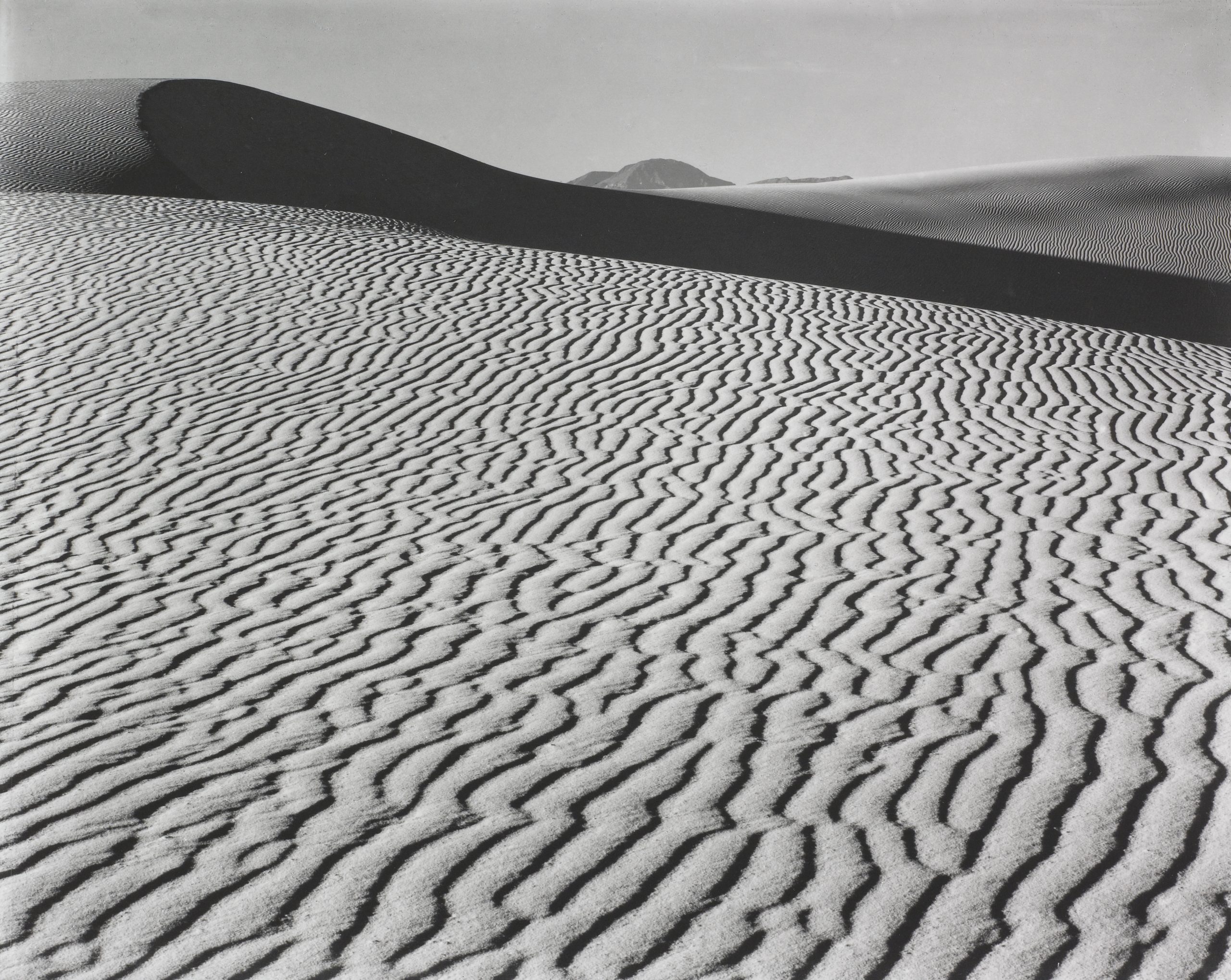
 Image: Joslyn Art Museum, Omaha
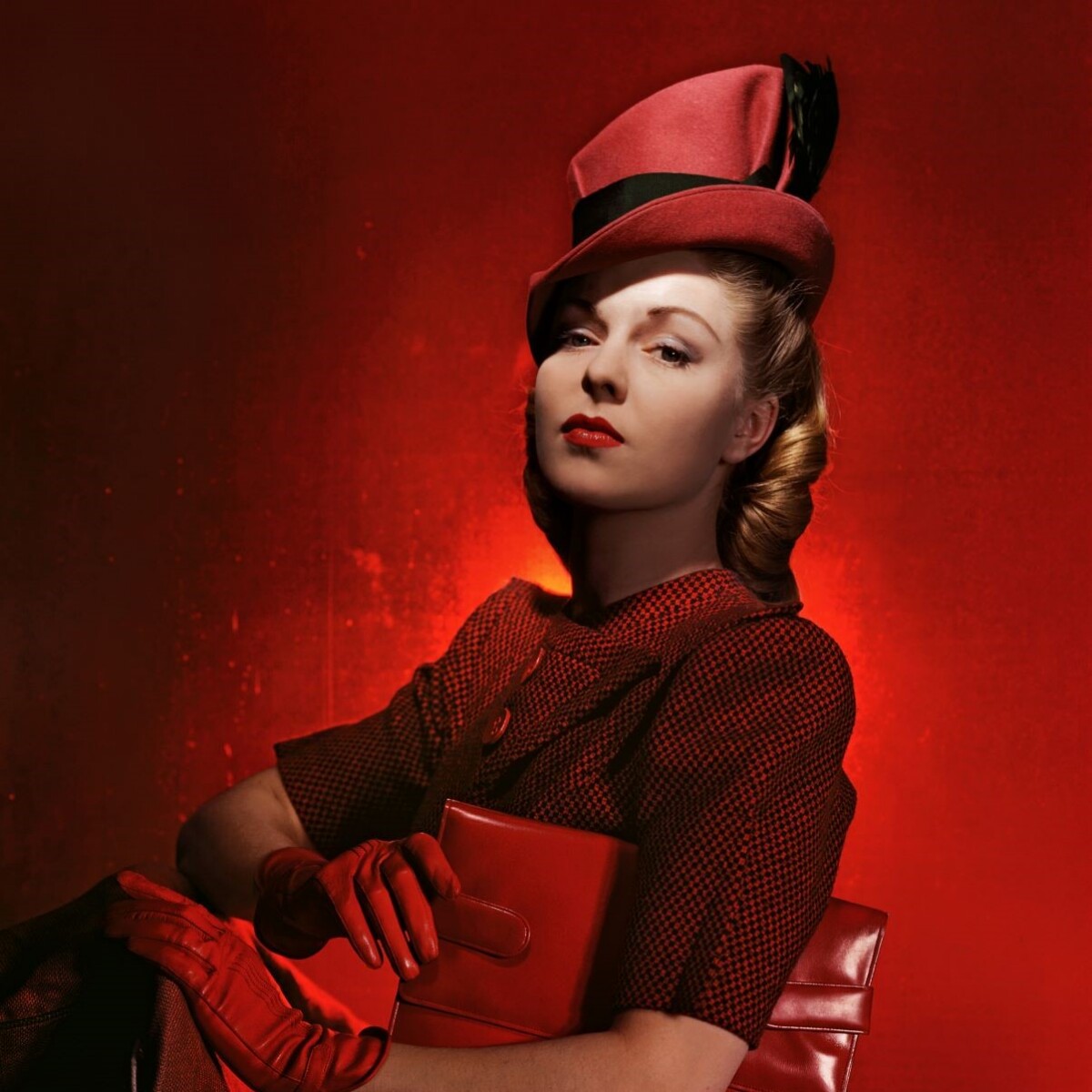
Joslyn Art Museum in Omaha will present Through the Lens: American Photographs from the Carter Collection from April 11 to Aug. 16, 2026, bringing more than 50 works from the Amon Carter Museum of American Art to Scott Pavilion. The exhibition traces the rise of photography from a specialized process at the turn of the 20th century into a widely accessible medium used for documentary, commercial and artistic purposes.
Organized by the Amon Carter Museum of American Art, the show surveys the medium’s broad reach across a century of American image-making. According to Joslyn, the exhibition includes landscape, street photography, photojournalism and portraiture, offering a cross-section of approaches that helped define the nation’s photographic tradition while also challenging it. The museum says the presentation underscores photography’s aesthetic potential, documentary value and social power.
The checklist includes work by well-known photographers such as Ansel Adams, Laura Gilpin, William Eggleston, Robert Frank and Gordon Parks, alongside images by Deana Lawson and Alec Soth. The exhibition places monumental landscapes, candid views of American life, portraits and color innovations in conversation, showing how photographers used the medium to record places, people and historic moments across the United States.
Joslyn’s framing suggests the exhibition is not simply a history of style, but a study of how photographs shape collective memory. By bringing together images of prominent national figures, decisive events and everyday scenes, Through the Lens looks at the way photographic traditions have helped construct a visual narrative of the country and its histories.
The exhibition is especially timely in the nation’s 250th year, which Joslyn notes in its announcement. That context adds weight to a show that spans diverse perspectives and a long historical arc, presenting photography as a medium central to both art history and public understanding of American identity.
For Joslyn, the exhibition extends the museum’s engagement with major national collections while giving Omaha audiences access to a wide-ranging view of American photography. For the broader art world, it offers a reminder that the medium’s power lies not only in individual masterpieces, but in its capacity to register social change, document lived experience and shape how the United States sees itself.