 Image: Aspen Art Museum
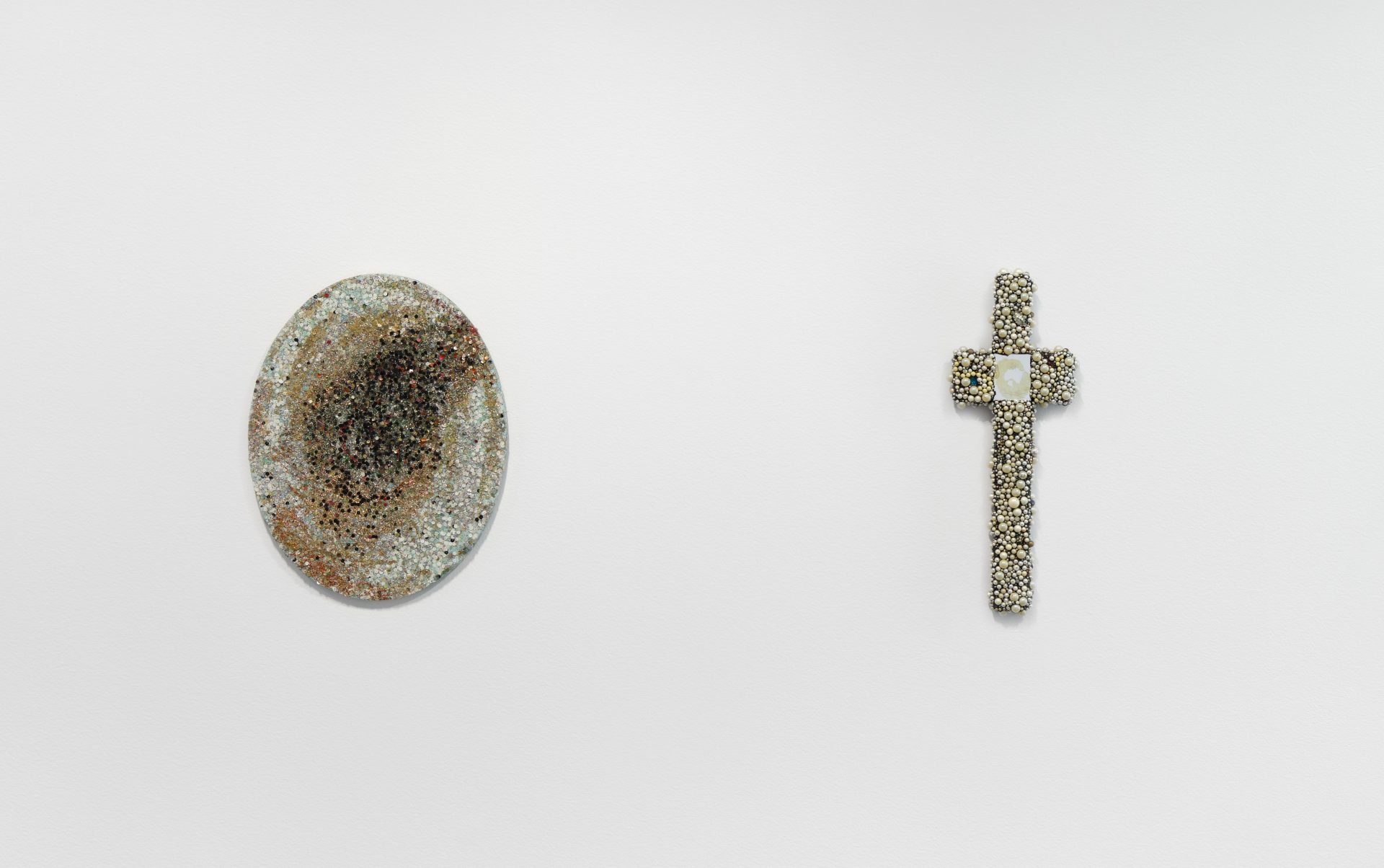
In conjunction with the exhibition ‘Arch Connelly: Straighten Your Wig and Pray,’ art historian David J. Getsy presented a new talk placing Connelly’s pearl- and glitter-encrusted sculptures within central postwar debates over what counts as sculpture and where art ends and the rest of the world begins. Getsy addresses the artistic and cultural contexts surrounding the development of Connelly’s practice, with particular attention to the queer undercurrents of American art.
The talk situates Connelly alongside Lynda Benglis, Scott Burton, and Thomas Lanigan-Schmidt, contextualizing his work within a counter-tradition that rejected austere modes of high art in favor of decoration, functionality, excess, and glitter. The museum’s program listing dates the program ‘Arch Connelly and the Glittery Alternative History of Postminimalism’ to July 2, 2026, from 2 to 3 PM.
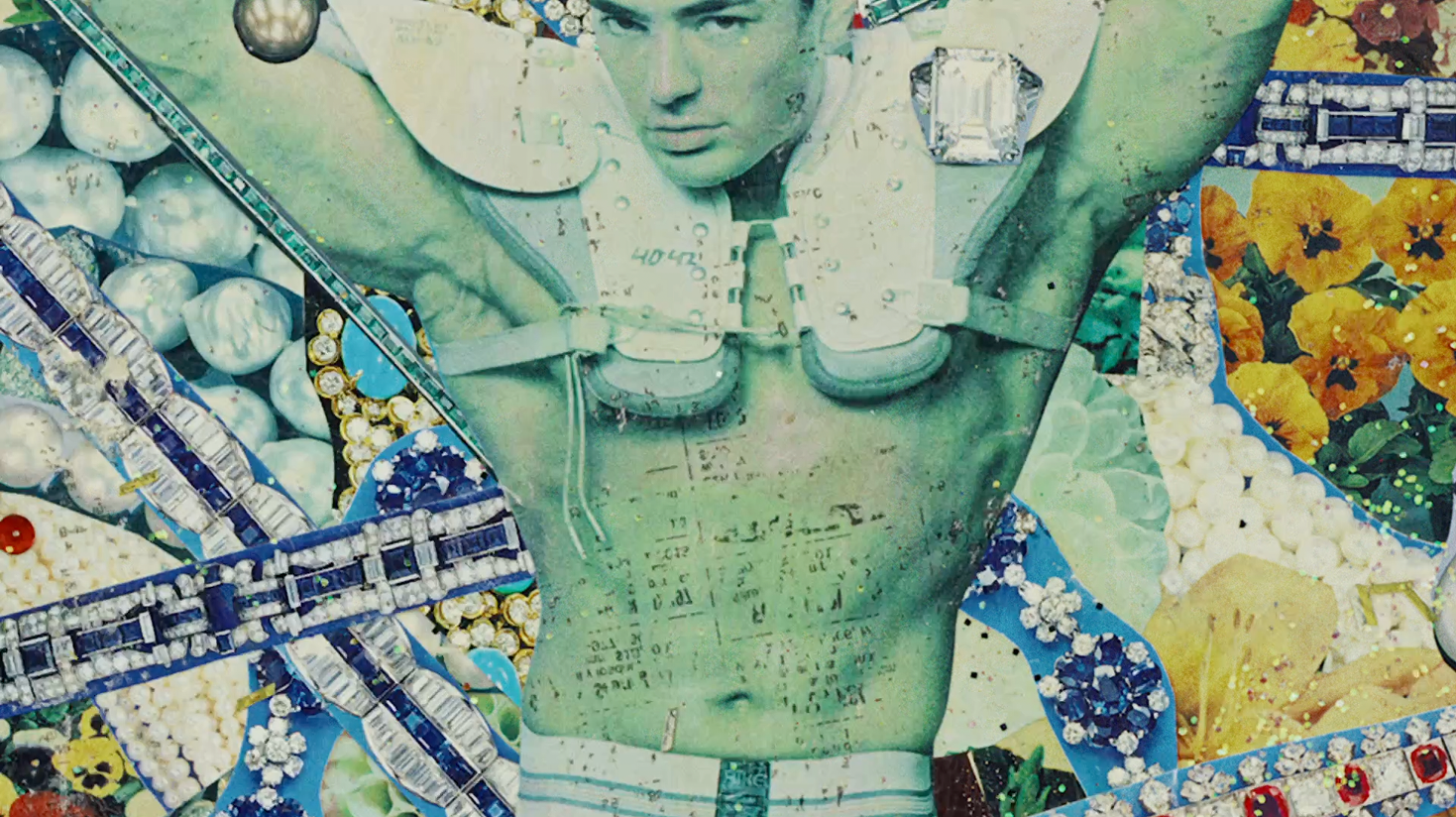
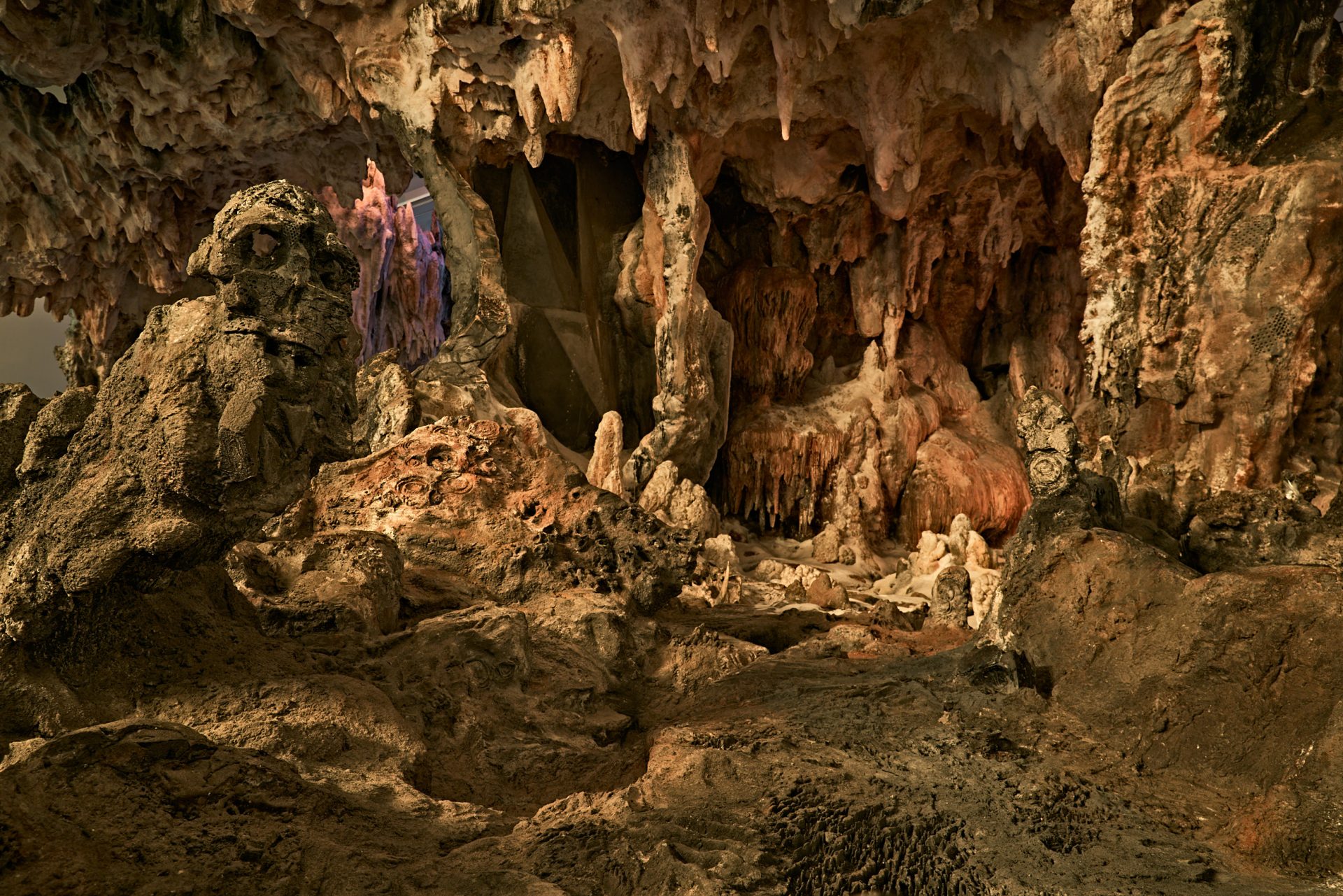
Across collage, sculpture, and painting, Connelly’s practice reimagines the visual vocabularies of Minimalism and Pop through a camp, craft-based, and surrealist sensibility, while drawing upon the historical traditions of Mannerism and the Baroque. Closely aligned with the philosophy of the Pattern and Decoration movement, his work challenges traditional distinctions between fine art and ornament. The exhibition includes several works by Connelly that have not been seen publicly in more than thirty-five years.
Hoping to take a break from art, Connelly designed elaborate, sequin-covered sets for avant-garde theatre troupes such as the Cockettes and the Angels of Light. In an interview around 1993, Connelly described sculpture as furniture and paintings as sets, telling David Hirsch, ‘Once you break down the high art–low art continuum, this constant bickering, it doesn’t matter.’