 Image: East Building of the National Gallery of Art, London
The National Gallery of Art has published an interactive article focused on Paul Revere’s lesser-known career as an artist and artisan in the American colonies. Better remembered for his midnight ride, Revere is presented here as a prolific maker who used engraving and visual culture in the service of revolutionary politics. The article frames him not only as a historical figure associated with the American Revolution, but also as someone whose creative work helped shape the public language of the period.
According to the gallery’s newsletter material, Revere engaged in engraving political cartoons and even staged exhibitions at his home. The site’s description says these artistic activities were part of how he “used his artistic talents to fan the flames of the American Revolution.” The interactive format suggests the gallery is pairing narrative explanation with visual exploration, offering viewers a way to follow Revere’s role as an image-maker within the political turbulence of the 18th century.
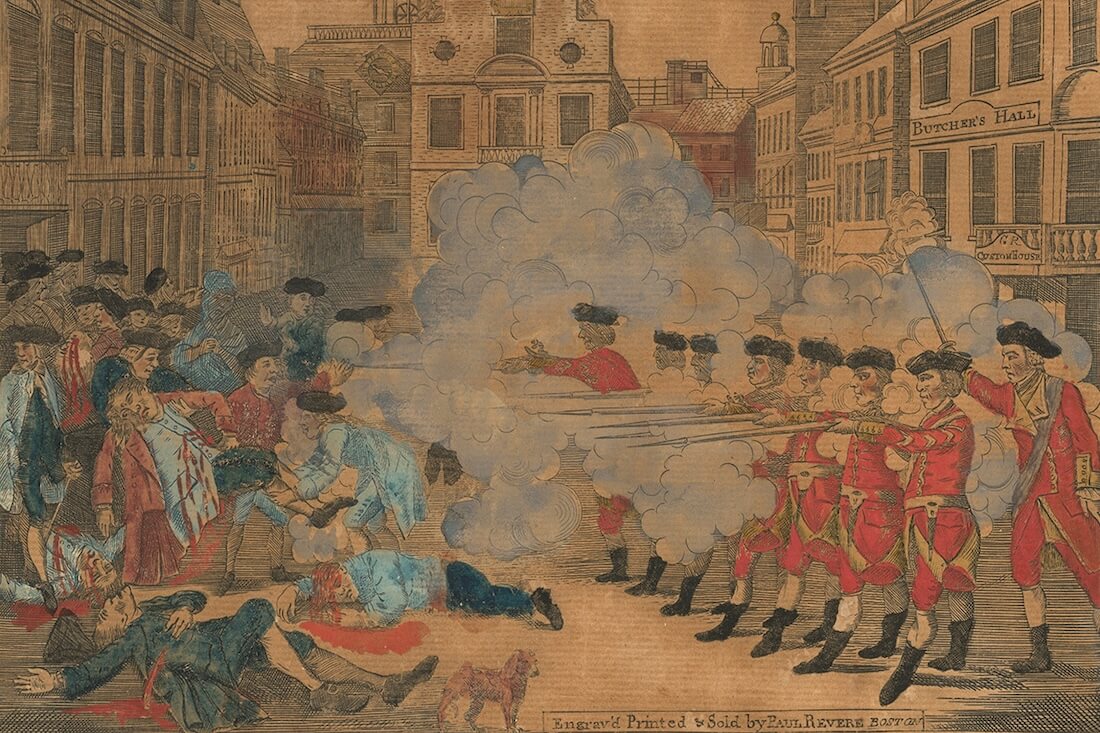
The National Gallery of Art’s own collection context adds another layer to the story. The newsletter pairs the article with a reproduction of Revere’s engraving 'The Boston Massacre' from 1770, identified as an engraving with hand coloring on laid paper in the Rosenwald Collection. That print underscores how Revere’s work intersected with public events and revolutionary sentiment, making him a relevant subject for an institution that highlights the history of art through its collections as well as its digital publishing.
The gallery’s presentation also places the new article alongside other content about artists and cultural programming, though those items remain separate from the Paul Revere feature. The Revere story is one of two interactive articles promoted in the same newsletter, the other centered on Mary Cassatt’s printmaking. In that context, the gallery appears to be using digital storytelling to broaden attention to artists whose reputations are often reduced to a single episode or medium.
The article’s emphasis on Revere as a maker of political imagery aligns with the National Gallery of Art’s broader educational mission. Rather than treating him solely as a patriot or folk-hero, the gallery points to the visual and technical side of his practice, including engraving and exhibition-making. That focus draws attention to the role of printed images in revolutionary-era communication, without shifting away from the verified facts given in the source material.
The newsletter announcing the article was published on July 6, 2026. It directs readers to the gallery’s interactive story titled 'Paul Revere, Artist of the American Revolution' and invites them to “discover the history” through the digital feature. The accompanying material identifies the location of the National Gallery of Art’s facilities in Washington, DC, but the source does not attach the article to a physical exhibition or event schedule, presenting it instead as an online publication tied to the gallery’s interpretive work.