 Image: Museo delle Porcellane, Florence
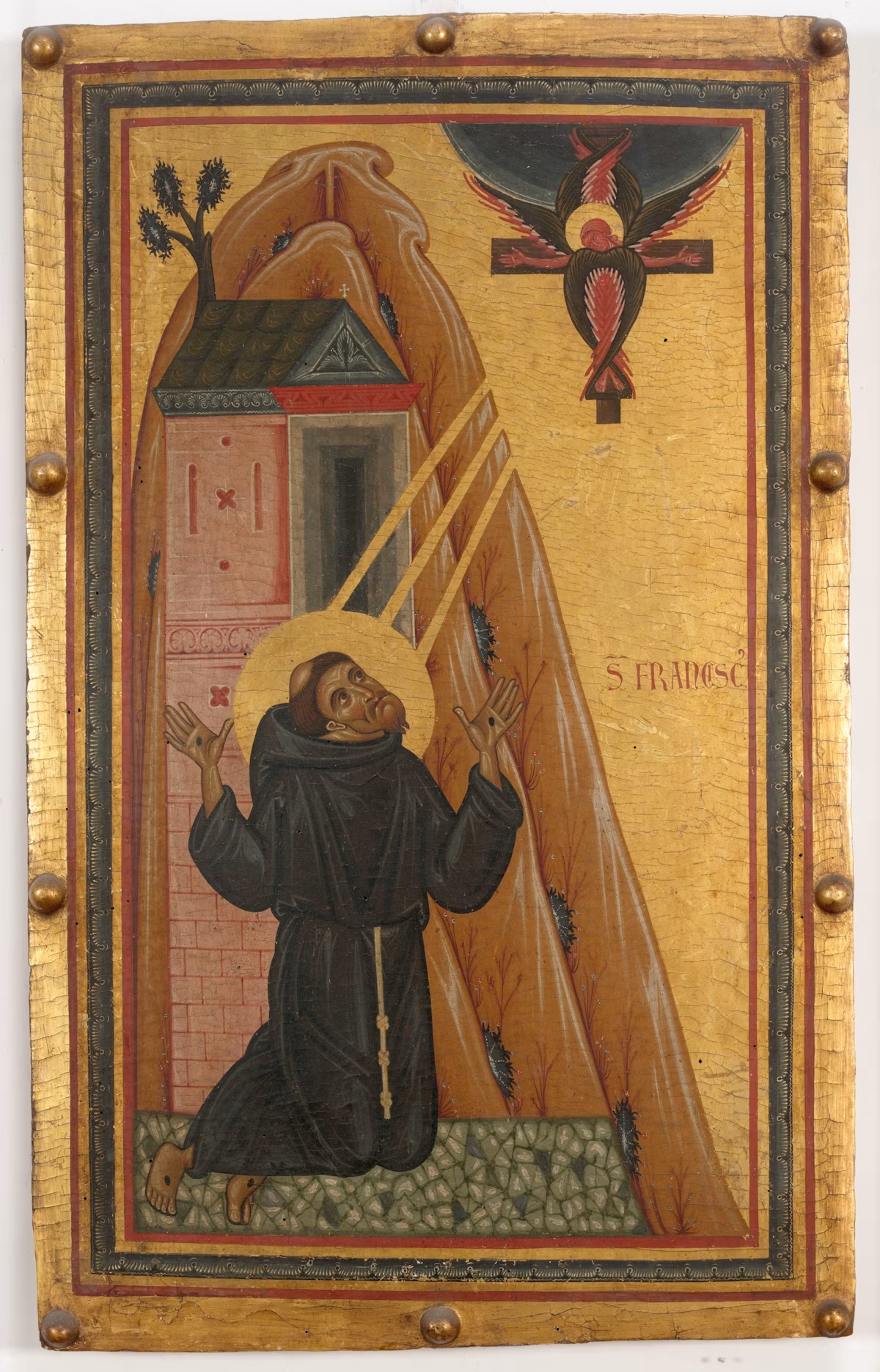
‘Stigmate di san Francesco’ is dated 1240–1250 and attributed to the Maestro della Croce 434 degli Uffizi, a painter associated with Lucca and Florence in the second quarter of the 13th century.
The painting shows Francis kneeling with his arms open in prayer as he contemplates a seraph angel fixed to a cross; the heads of the nails producing the stigmata are visible in his hands and feet. Three rays extend from the angel to Francis’s face, indicating the spiritual dialogue between the ascetic and the celestial vision from which the stigmata arose.
Among known 13th-century images of Francis, the work is unusual for representing a single narrative episode, demonstrating the exceptional nature of the stigmata miracle. The Uffizi painting is one of the images of Francis of Assisi to have survived the order issued by the Franciscan General Chapter in Paris in 1266 to destroy effigies of the saint made up to that point.
The event is set in the inhospitable landscape of La Verna in Casentino, shown as a sequence of steep cliffs with sparse wild vegetation; behind Francis, a chapel rises on the cliff, identified as the first church of the hermitage and dedicated to Santa Maria degli Angeli.
The miracle occurred in September 1224 and was made public only in 1226, after Francis’s death, in a letter by his disciple Brother Elias announcing the founder’s passing to Pope Gregory IX and the Franciscan provinces.