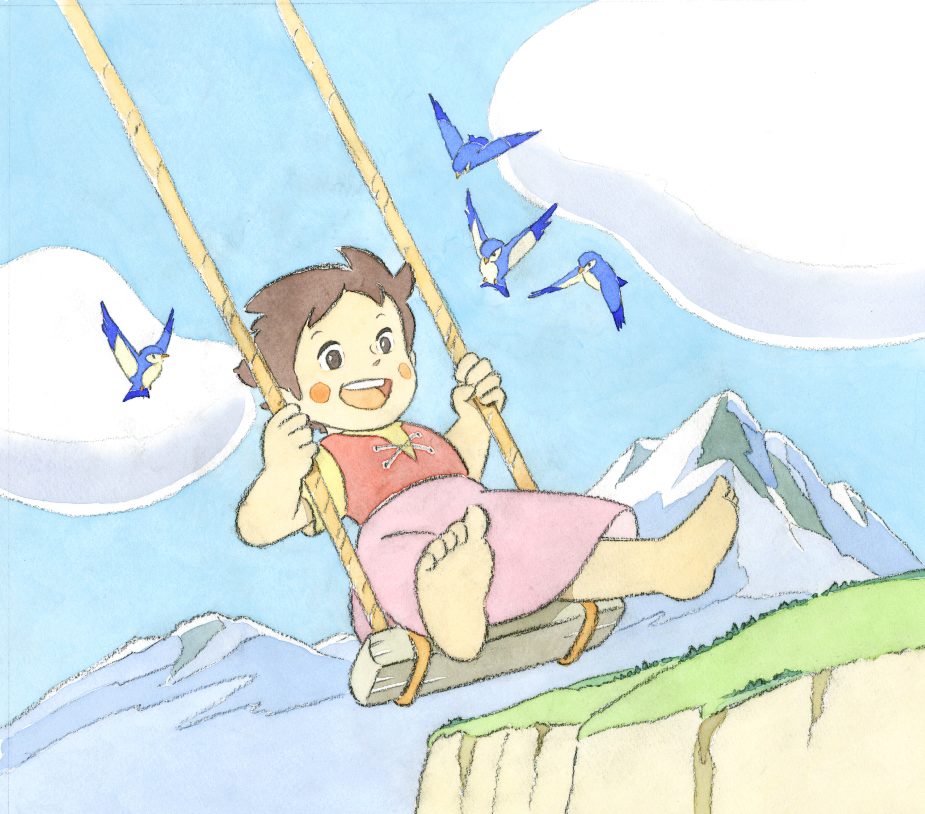
The Locarno Film Festival will return to Plateforme 10 in Lausanne this July for the fifth edition of its open-air programme, with seven screenings presented from 12 to 18 July 2026. According to mudac, the screenings will take place outdoors at Plateforme 10 and are free, with no registration required. The festival’s artistic director, Giona A. Nazzaro, has selected the films for the week-long series.
The event is billed by mudac as ‘Open Air Locarno Film Festival 2026’ and is described as a piazza piccola returning to Plateforme 10. The programme is tied to mudac’s wider summer context at the Lausanne arts district, where the museum’s current exhibitions include ‘Isao Takahata’ and ‘Et nous alors?’. The open-air screenings are presented as a companion cultural event rather than as part of a separate ticketed festival venue.
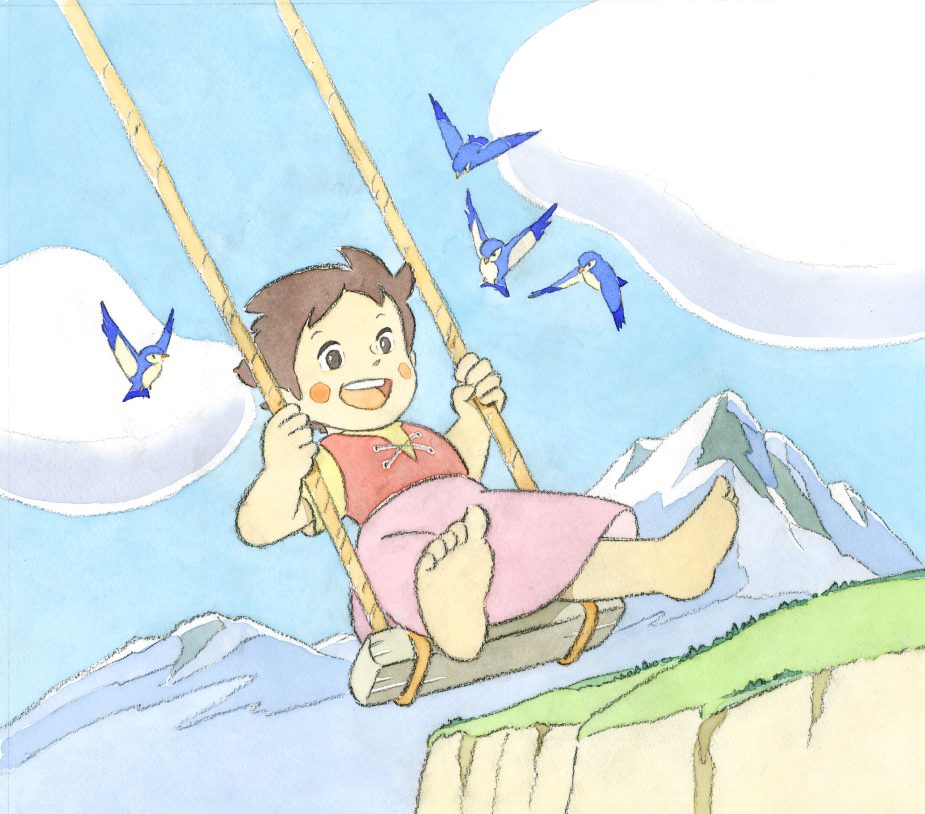
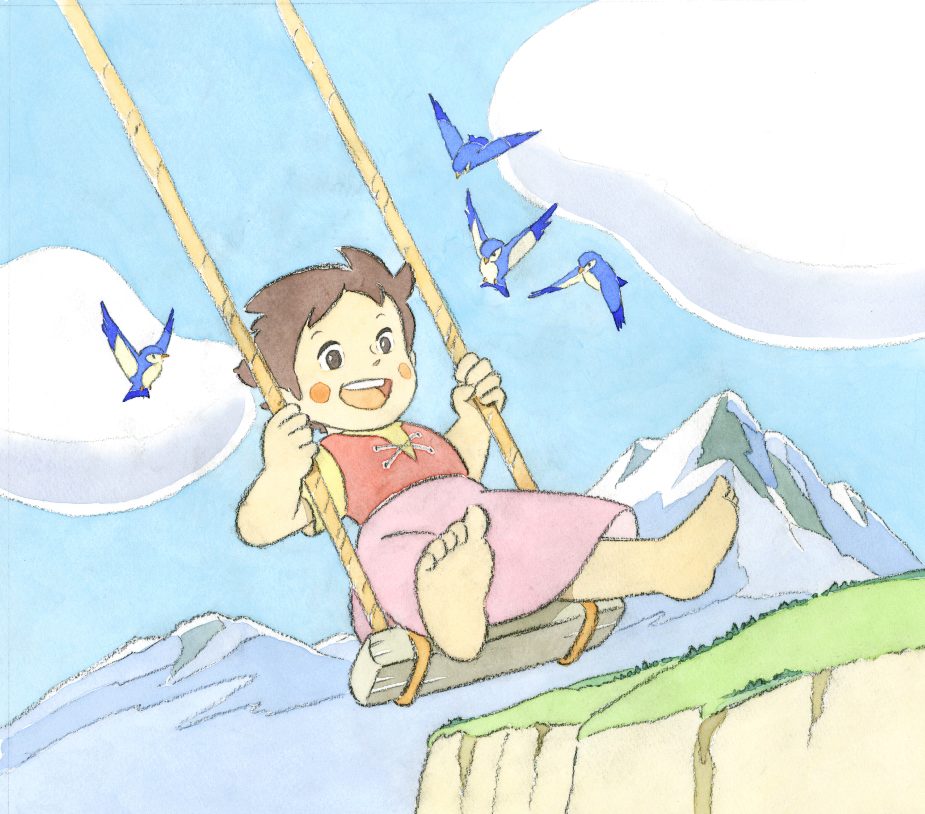
One screening has been singled out by mudac as the evening not to miss: on Monday 13 July at 10pm, the programme will feature the first two episodes of two animated series, ‘Heidi’ (1974) and ‘Anne... la maison aux pignons verts’ (1979). Both are listed in French version and for all audiences. The museum’s text frames these works as examples of animation under Takahata’s direction that moved beyond genre into stories of childhood, freedom and belonging.
That focus links directly to mudac’s exhibition ‘Isao Takahata’, which runs from 24 April to 27 September 2026. The museum presents the show as the first in Switzerland devoted to the filmmaker, tracing his career from ‘Heidi’ (1974) to ‘Le Tombeau des lucioles’ (1988) and ‘Le Conte de la princesse Kaguya’ (2013) through notebooks, storyboards, original drawings, celluloids, film excerpts and audiovisual documents. The exhibition also includes an exclusive section on Takahata’s relationship with the West, especially French-language culture, and his exchanges with Western artists.
In the exhibition text, mudac identifies Isao Takahata as a major figure in world animation and a co-founder of Studio Ghibli with Hayao Miyazaki in 1985. It also notes that Takahata studied French literature at the University of Tokyo before entering Toei Animation in 1959. The museum emphasizes his role in renewing animation as an art form, describing his work as both demanding and innovative and referring to his own idea of ‘the invention of animated reality’.
Practical details for the open-air screenings are straightforward. The ticket window opens at 8pm, headphones are distributed against a deposit of an identity document, and the screenings go ahead in all weather. Chairs are provided while supplies last, refreshments will be available on site, and the screenings remain free of charge and open without registration. The programme is set for the week of 12 to 18 July at Plateforme 10 in Lausanne, with the main Takahata-focused screening scheduled for Monday 13 July at 10pm.