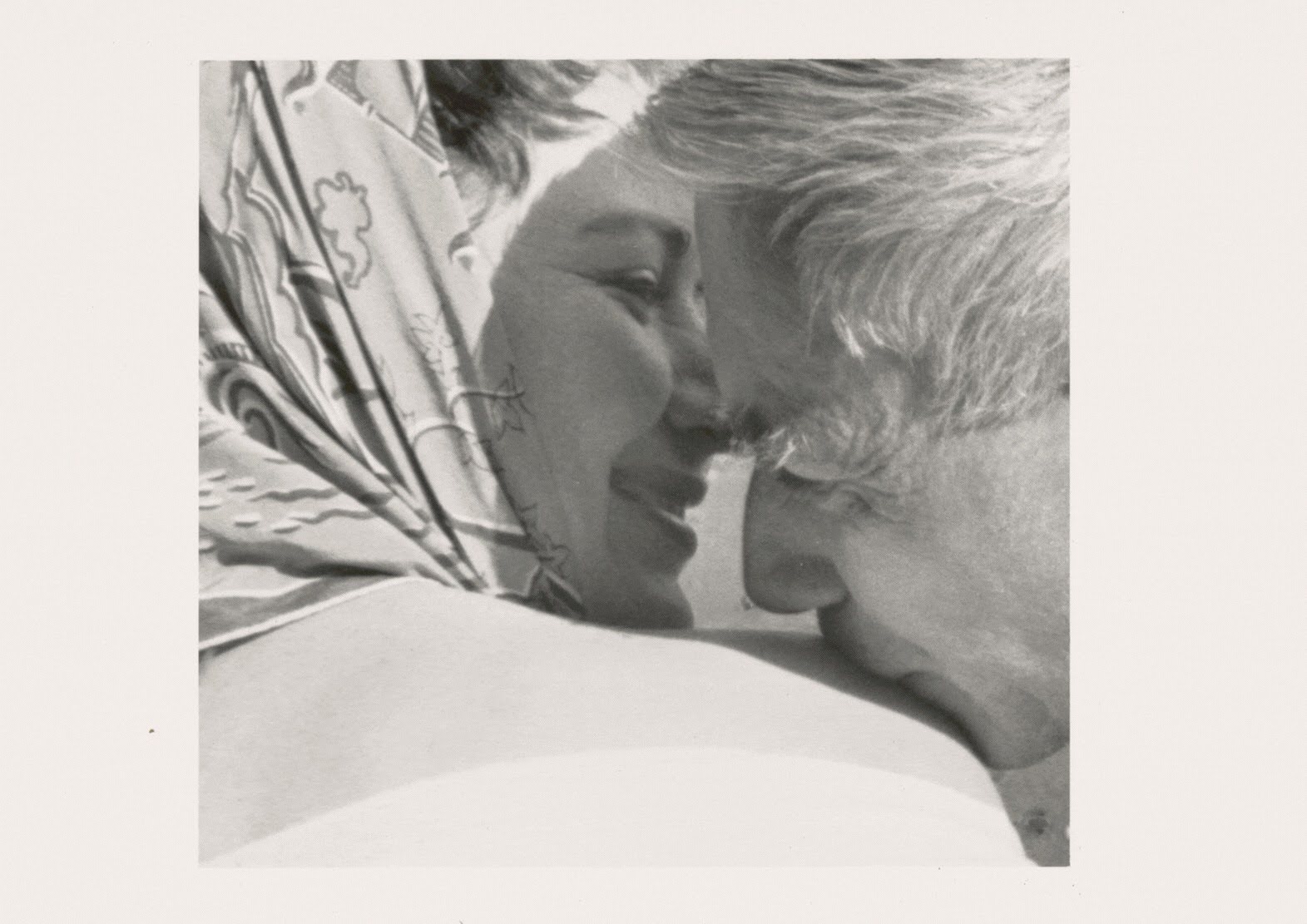
 Image: Charles Wong, The Lovers, 1956, silver gelatin print. Image courtesy Department of Special Collections, Stanford University Libraries
The Cantor Arts Center at Stanford University has opened two new Archive Rooms, one devoted to the photographers Irene Poon and Charles Wong and one to the artist, curator and educator Amalia Mesa-Bains. Both run from 6 August 2026 to 5 July 2027.
The Archive Rooms series consists of compact installations, each filling a single gallery, built from artists’ papers held by Special Collections at Stanford Libraries. The museum presents the format as a way of opening up the university’s art-historical holdings and showing how artists actually work.
In the Rowland K. Rebele Gallery, the Poon and Wong room is, according to the Cantor, the first presentation to formally document the two photographers’ artistic partnership and personal relationship, following them over several decades as they moved from peers to collaborators to life partners. On view are photographic prints from both archives, along with letters, personal snapshots and Wong’s writing about Poon’s photography. The prints include experiments with reflections, windows and quiet interiors, and the presentation places both figures within the history of Asian American art in the Bay Area.
Poon worked as an artist, educator, archivist and community organiser, and helped advance Asian American art history through exhibitions, publications and research. Wong studied under Minor White and Ansel Adams at the California School of Fine Arts and became known early for his photographs of San Francisco’s Chinatown in the 1940s and 1950s. According to the Cantor, the two came together in the 1990s with the encouragement of photographer Imogen Cunningham; they collaborated on the 1991 book Leading the Way: Asian American Artists of the Older Generation, and their partnership lasted until Wong’s death in 2024. The room is curated by Ivy K. Vuong, a PhD candidate in Stanford’s Department of Art & Art History.
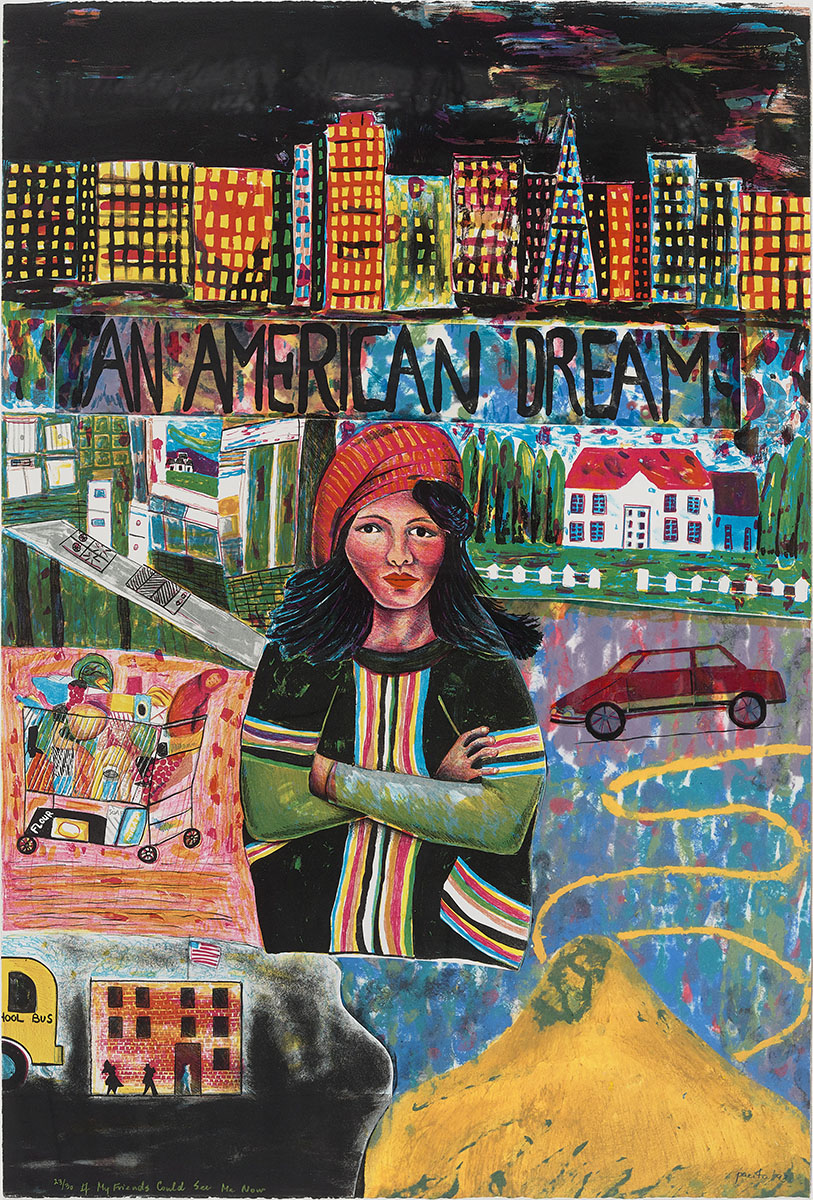
The second room, in the Patricia S. Rebele Gallery, looks at Mesa-Bains’s part in shaping Chicano and Latino art history over the past fifty years. Her large installations draw on the tradition of Mexican home altars, turning everyday rituals into sculptural environments centred on collective memory. The selection mixes recent prints and objects from several decades with hand-drawn installation studies, journal entries, photographs of the artist at work and personal letters, among them a love letter to her husband. It is curated by Jorge Eduardo Sibaja, a former curatorial assistant at the Cantor.