 Image: Metropolitan Museum of Art, New York
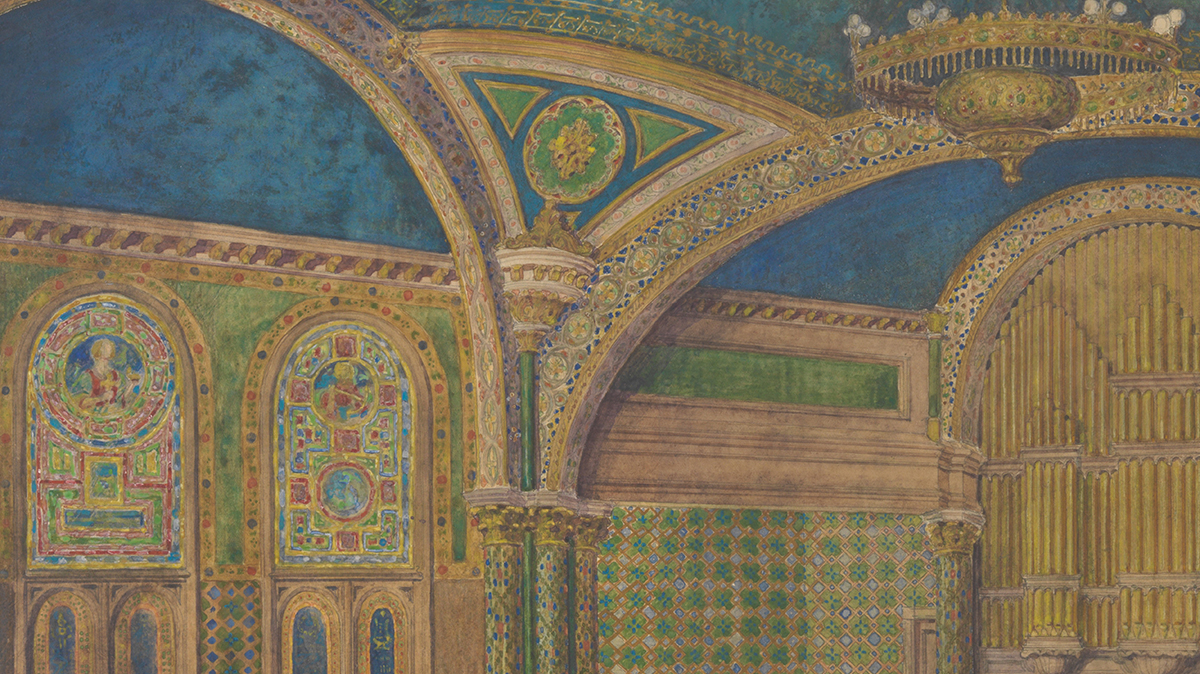
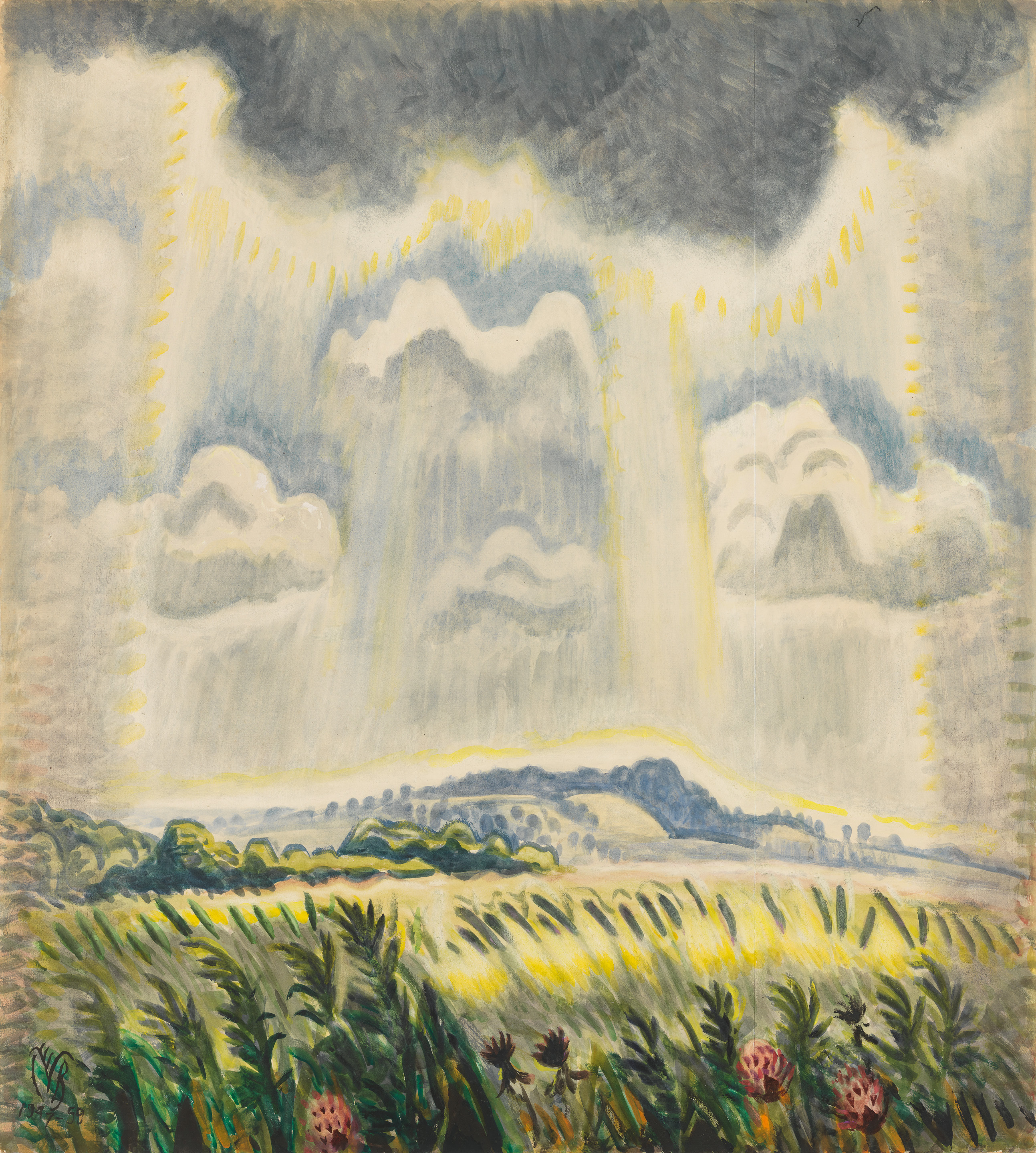
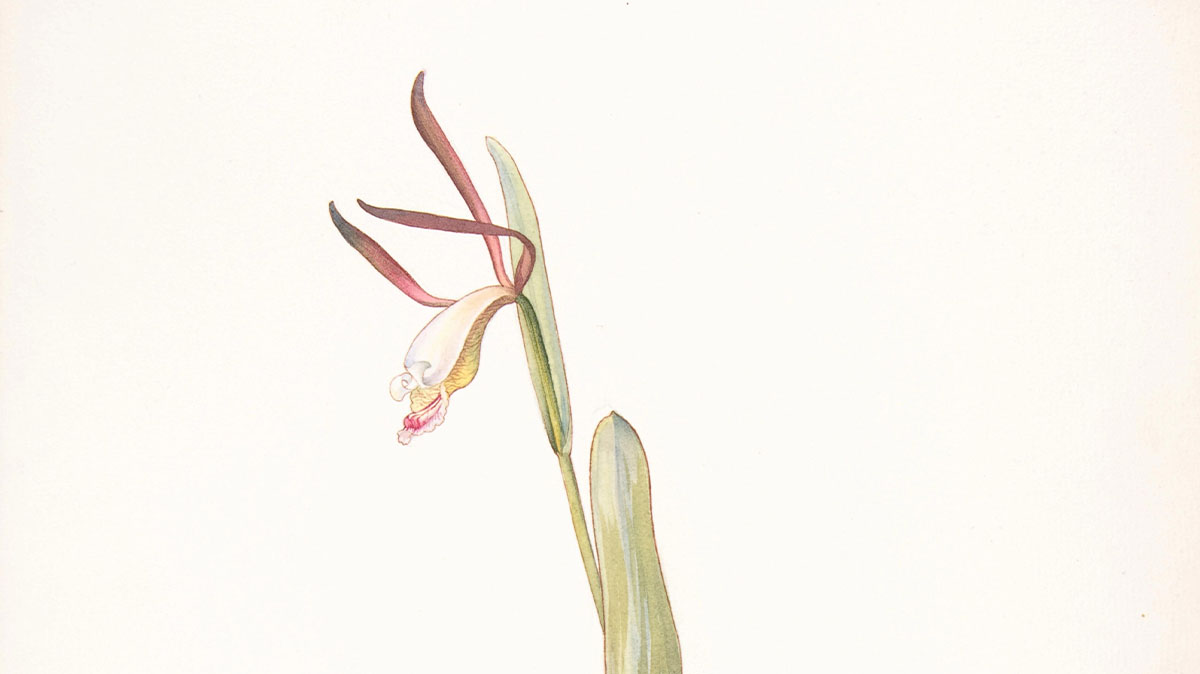
The Metropolitan Museum of Art is highlighting a group of watercolors by Margaret Armstrong that depict the decline of the longleaf pine ecosystem in America. The museum described the works in its newsletter as a selection of stunning watercolors by Armstrong, identifying her as a celebrated artist, designer and author of ‘Field Book of Western Wildflowers’ (1915). The presentation is framed around ecological change, with the images documenting the disappearance of the longleaf pine landscape in 20th-century America.
The notice appeared in The Met’s ‘Art in your inbox’ newsletter, which also pointed readers toward a range of recent and upcoming museum features. Against that broader newsletter context, ‘Margaret Armstrong in Hibernia’ was singled out as a focused look at a specific body of work rather than a general roundup item. The museum’s wording emphasizes the watercolors themselves and their subject matter, placing Armstrong’s work at the intersection of art, design and environmental observation.
Armstrong’s name is familiar to museum audiences through her work as an author and designer as well as an artist, but the newsletter entry foregrounds her role as a watercolorist attentive to landscape change. The description suggests that the works record not a picturesque wilderness intact, but a threatened and diminishing ecosystem. In that sense, the presentation gives historical form to an environmental story that unfolded over decades, using watercolor as a medium for both visual richness and documentary attention.
The Met’s reference to the longleaf pine ecosystem points to the geographic and ecological scope of the subject. The longleaf pine once covered a broad swath of the southeastern United States, and the museum’s description makes clear that Armstrong’s works address its decline in the 20th century. The newsletter does not provide a full checklist of the works included, but it does position the selection as a distinct set of images organized around that environmental theme.
The newsletter item was published on June 26, 2026, as part of The Met’s regular communications. It appeared alongside notices for exhibitions including ‘Musical Bodies’, ‘Giacometti in the Temple of Dendur’, ‘Orientalism: Between Fact and Fantasy’, ‘Creatures of Myth and Imagination: Europe and the Americas’ and ‘Costume Art’, but the Armstrong entry is separate from those exhibition blurbs. The museum’s text identifies ‘Margaret Armstrong in Hibernia’ as its own feature.
Although the newsletter does not supply an opening date, venue location or object count for ‘Margaret Armstrong in Hibernia’, it makes clear that the focus is on watercolor works by Armstrong and on the environmental history they record. The museum’s own description is concise, but it establishes the subject, the medium and the interpretive frame: a selection of Armstrong’s watercolors portraying the disappearance of the longleaf pine ecosystem in 20th-century America.