 Image: Metropolitan Museum of Art, New York
The Metropolitan Museum of Art has published an online feature, 'Objects in Revolution!', that points readers to artifacts from its 'Revolution!' exhibition and uses them to examine artistic responses to the Declaration of Independence. The Met’s newsletter describes the feature as an invitation to explore objects on view in 'Revolution!' and to learn how artists on both sides of the Atlantic responded to the political and military drama that unfolded before and after the Declaration.
The article arrives in the context of a broader Met newsletter that also promotes other exhibitions, tours and programs, but 'Objects in Revolution!' is framed specifically as a companion to 'Revolution!' rather than as a separate venue-based event. The newsletter’s language emphasizes the educational value of the objects on view, presenting them as material evidence of how art registered the upheavals of the revolutionary period.
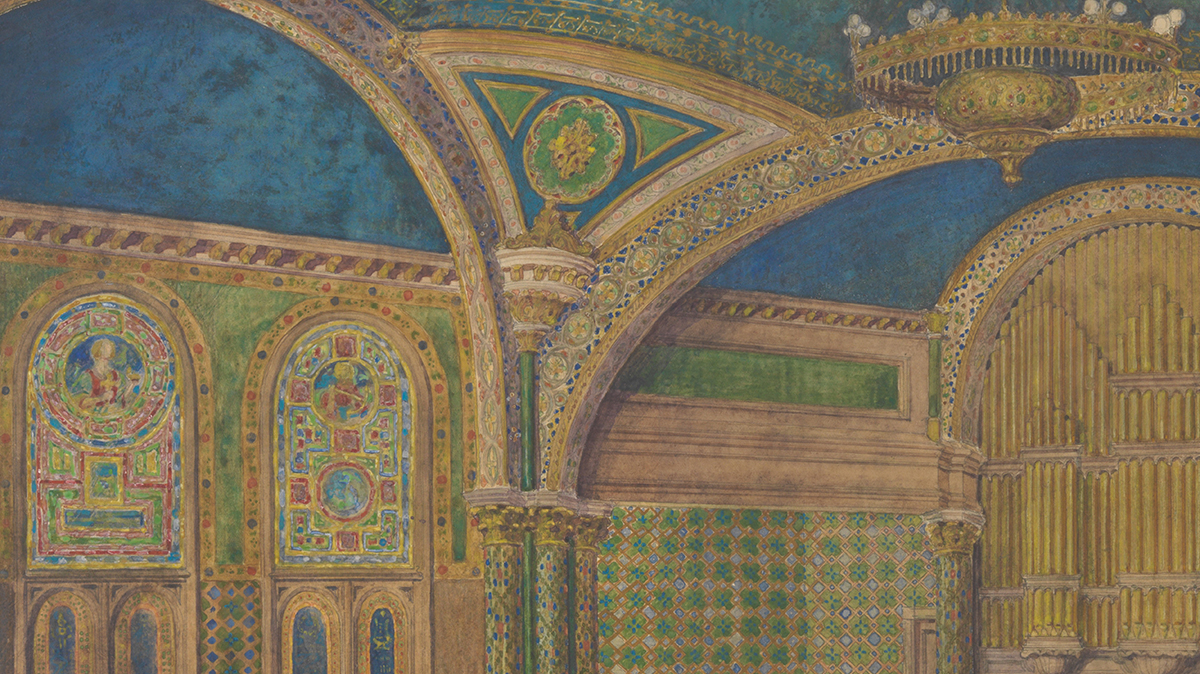
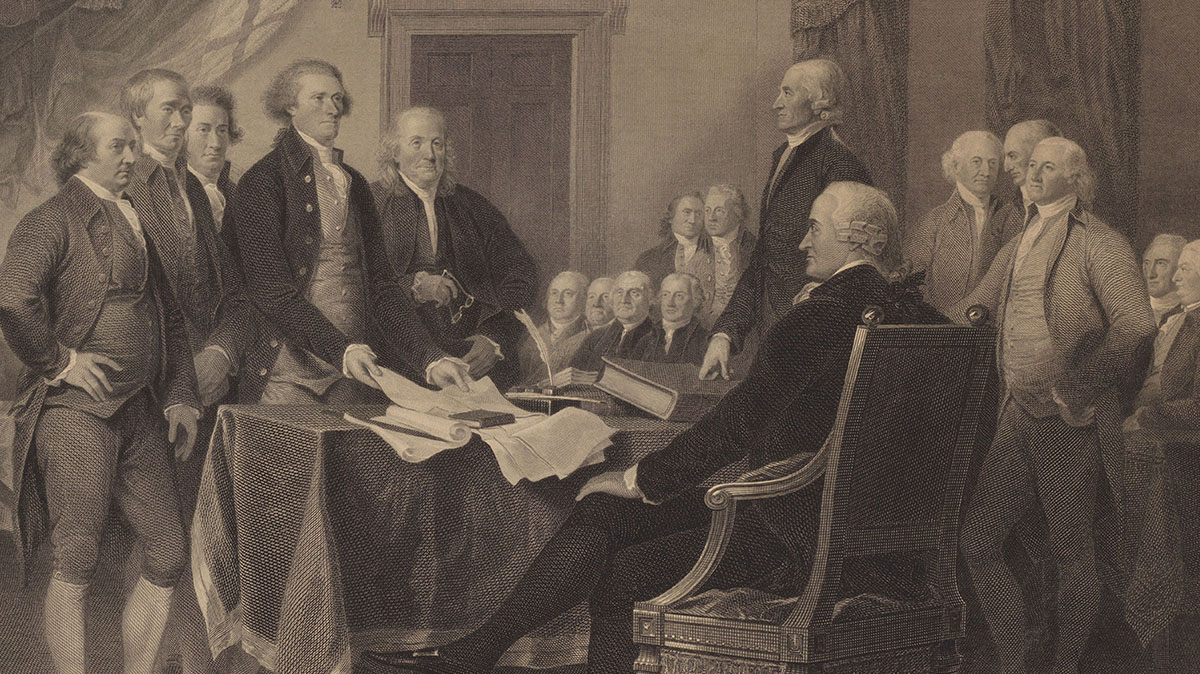
Among the works highlighted in the newsletter images and captions are Asher Brown Durand’s after John Trumbull 'Declaration of Independence' (1820–23), a print in the Met collection; and a detail from Jan van Tieghem and Frans Gheteels after Raphael, 'Saint Paul and Saint Barnabas at Lystra' from the Second Edition of the Acts of the Apostles Tapestry Series, made in the late 1540s or early 1550s. The feature also points to other objects in the exhibition such as Jean-Léon Gérôme’s 'Bashi-Bazouk', Tairona artist(s)’ 'Figure Pendant', and Alberto Giacometti’s 'Woman of Venice II' in the newsletter imagery used to support the broader round-up.
The museum’s framing places the revolutionary material within a long artistic timeline. By pairing an American print related to the Declaration with earlier European and colonial objects, the Met shows how the exhibition’s reach extends beyond a single national story. The newsletter’s phrasing makes clear that the point is not simply to recount political events, but to trace how artists interpreted, represented and circulated those events through different media and across the Atlantic world.
The feature arrives alongside a handful of other recent and upcoming Met offerings noted in the same newsletter, including 'Musical Bodies', 'Giacometti in the Temple of Dendur', 'Orientalism: Between Fact and Fantasy', 'Creatures of Myth and Imagination: Europe and the Americas', and 'Costume Art'. Those items are presented as part of the museum’s wider communications, while 'Objects in Revolution!' stands out as the newsletter’s specific entry into the Met’s Revolutionary-era programming.
No separate exhibition dates are given for 'Objects in Revolution!' in the source material, and the newsletter does not identify it as a physical event with a timed run. Instead, it directs readers to learn more about the objects currently on view in 'Revolution!' and to use them as a way into the artistic history surrounding independence and conflict.