 Image: National Museum of Fine Arts, Argentina, Buenos Aires
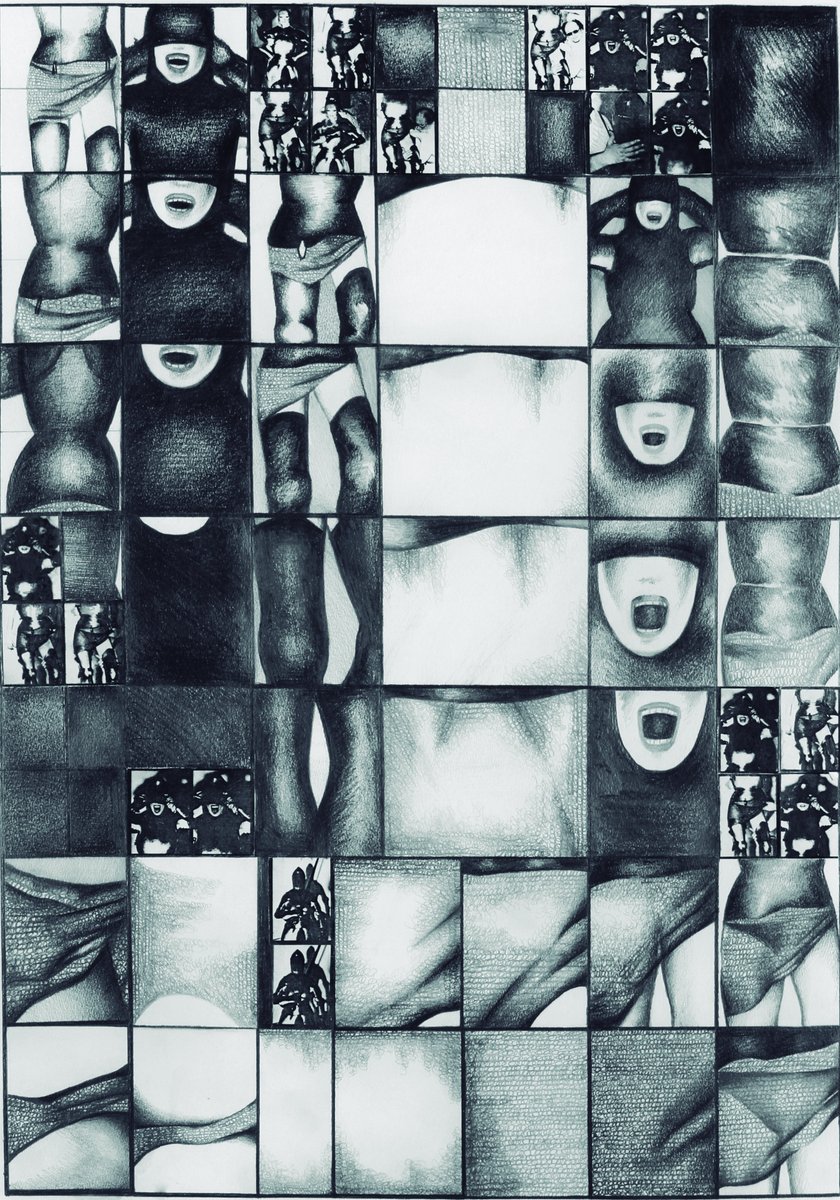
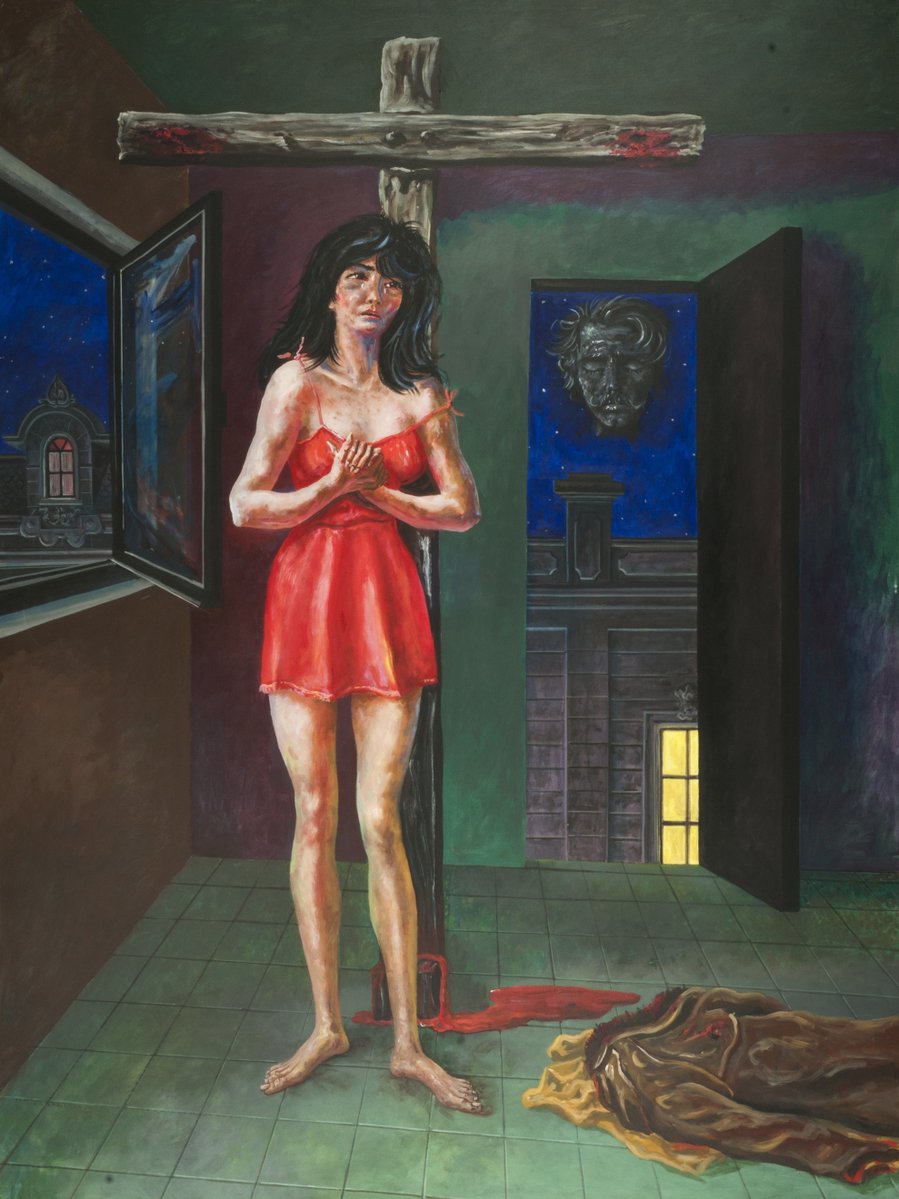
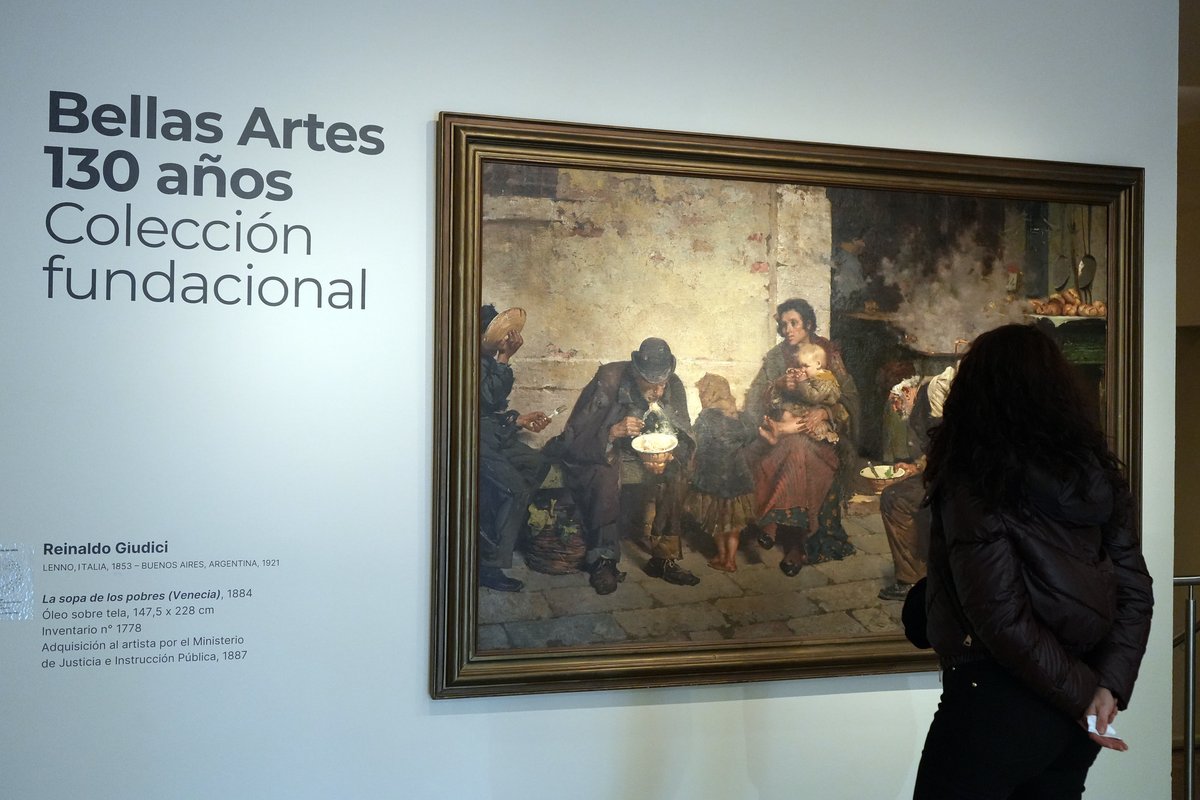
The National Museum of Fine Arts in Buenos Aires is currently showing Reinaldo Giudici’s ‘La sopa de los pobres’ (1884) in its central hall as part of an exhibition built around Adriana Bustos’ monumental textile work ‘Carta natal del Museo Nacional de Bellas Artes’. According to the museum, Giudici’s painting is one of 64 works that Bustos drew for the large fabric piece, which is the focus of the exhibition on view on the museum’s first floor.
The museum’s announcement places the 19th-century painting in direct relation to Bustos’ contemporary project, linking a single historic artwork to a broader visual map of the institution’s collection and history. Giudici’s ‘La sopa de los pobres’ is singled out as one of the images incorporated into ‘Carta natal del Museo Nacional de Bellas Artes’, suggesting that the exhibition uses selected works from the museum’s holdings as source material for Bustos’ installation.
The presentation also draws attention to the museum itself as both venue and subject. By centering an artwork that references the institution’s collection, the exhibition creates a dialogue between the museum’s permanent cultural memory and Bustos’ drawn translation of that memory into textile form. The museum’s post identifies the first-floor display as the main exhibition, while the Giudici painting remains visible in the central hall.
Adriana Bustos’ ‘Carta natal del Museo Nacional de Bellas Artes’ is described by the museum as monumental, and the work’s scale is underscored by the fact that it was based on 64 separate pieces drawn by the artist. The inclusion of ‘La sopa de los pobres’ among those images places Giudici’s painting within a larger constellation of artworks rather than as a standalone feature.
No additional curatorial details, dates beyond the current exhibition notice, or further interpretive statements were provided in the museum’s post. The verified information confirms only that ‘La sopa de los pobres’ is on display in the central hall and that Bustos’ exhibition, with the textile work as its centerpiece, can be seen on the museum’s first floor.