 Image: Hyōgo Prefectural Museum of Art, Kobe
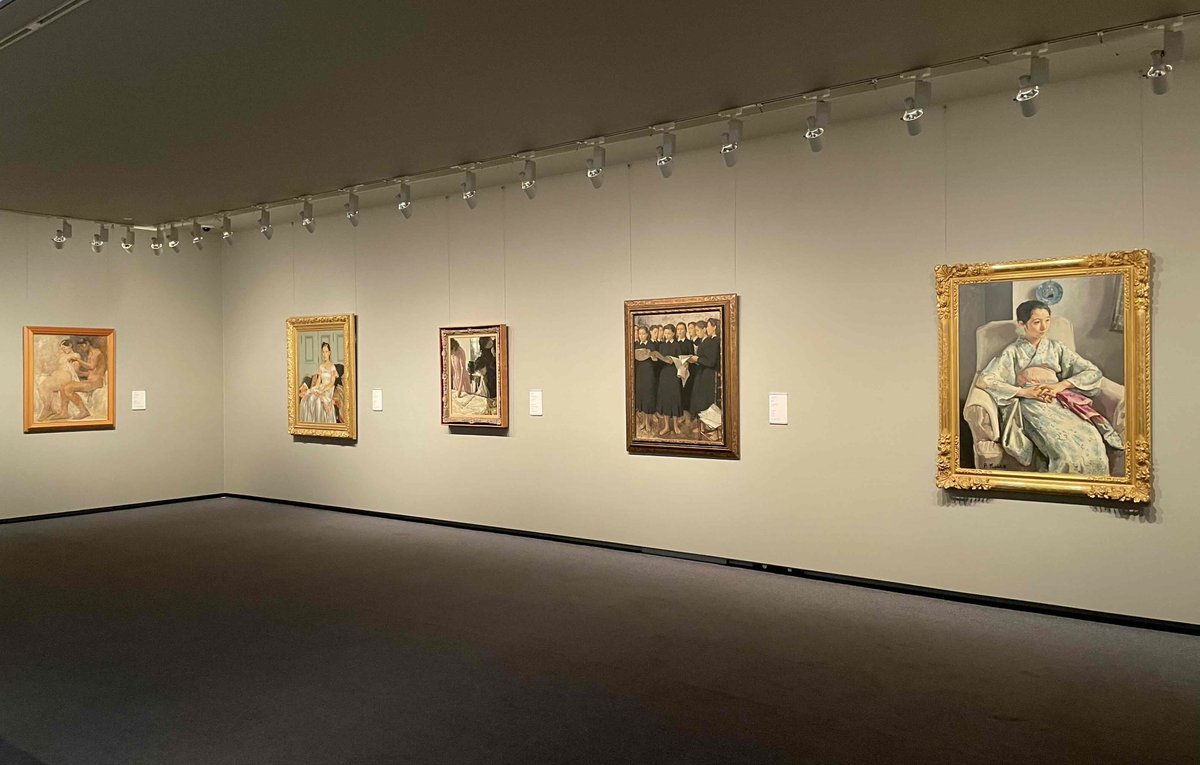
Hyōgo Prefectural Museum of Art in Kobe marked July 25 as the birthday of Rahei Koiso, one of Japan’s leading Western-style painters, with a social media post drawing attention to the museum’s holdings and long-term display of his work. The museum said it holds about 500 Koiso works in its collection and keeps roughly 20 pieces on view at all times in the ‘Rahei Koiso Memorial Room,’ including one of his representative works, ‘Chorus.’
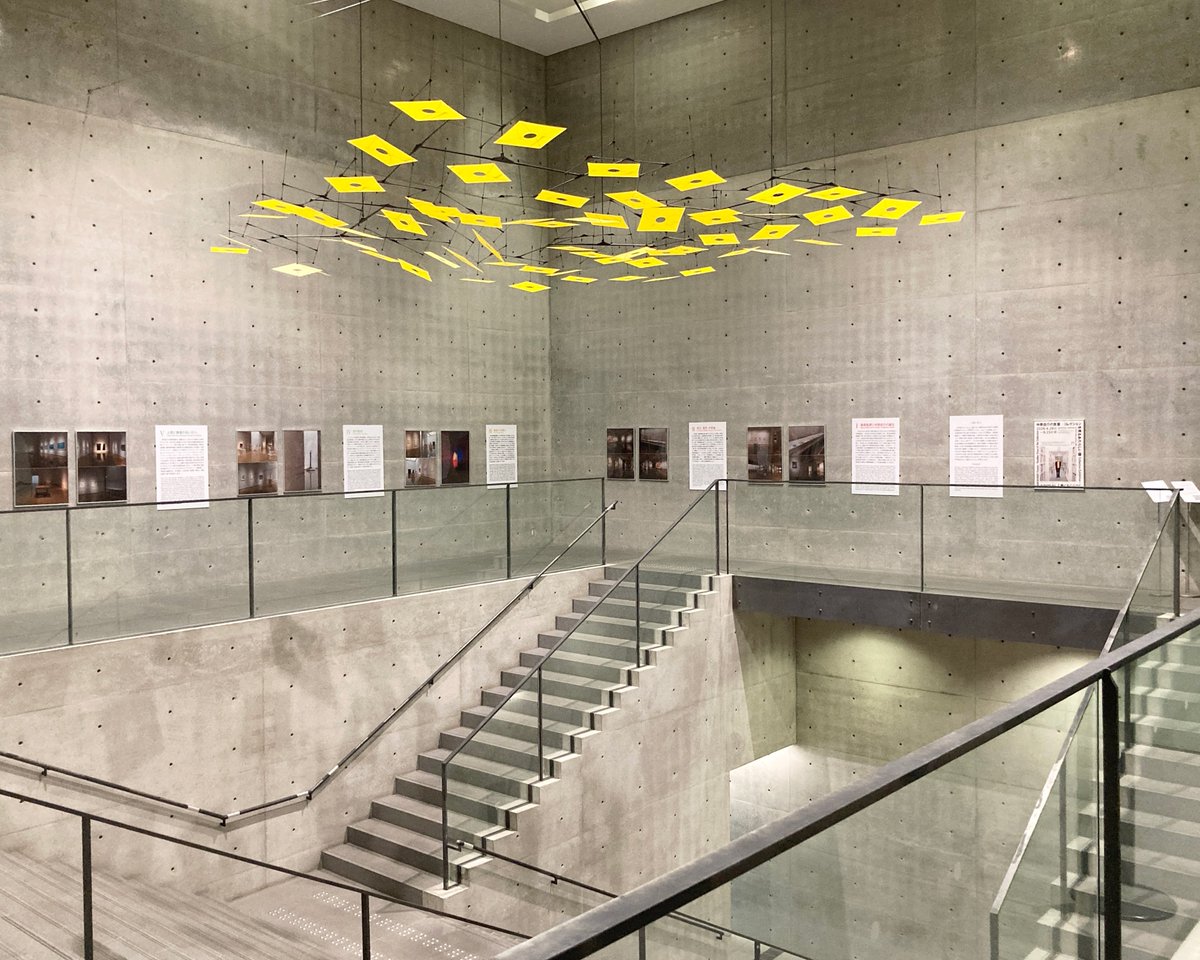
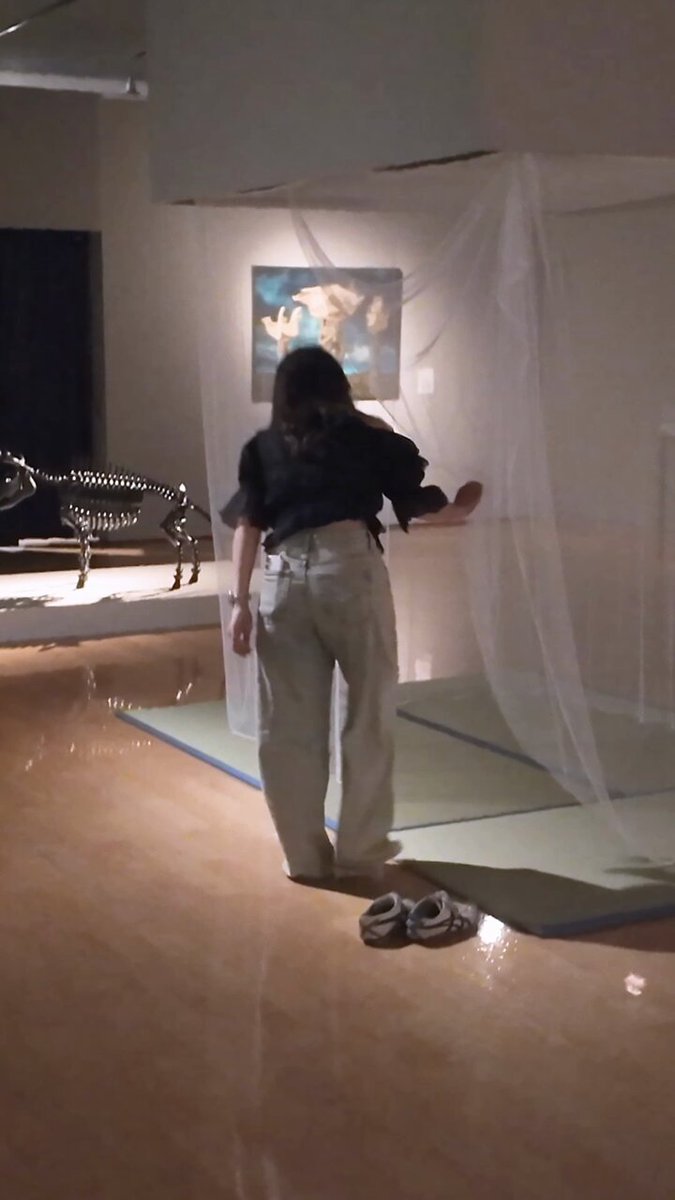
The post framed the date as an occasion to revisit Koiso’s art alongside the museum’s current exhibition, ‘Museum Mystery,’ encouraging visitors to see the two together. No further event details were provided in the post, but the museum’s message placed Koiso’s birthday within the broader context of its stewardship of his work and its continuing public presentation.
Koiso is identified by the museum as one of the artists who helped define Japanese Western-style painting. By highlighting the scale of its holdings, the museum underscored the depth of its connection to his practice and the extent to which his work remains part of the institution’s everyday display.
The ‘Rahei Koiso Memorial Room’ is described by the museum as a permanent venue for about 20 works from its collection, offering visitors recurring access to major examples of Koiso’s output. Among those works is ‘Chorus,’ which the museum singled out as a representative piece.
The birthday post also functioned as a reminder that the museum’s Koiso collection is not limited to a single exhibition moment. Instead, it is integrated into the museum’s ongoing presentation schedule through the memorial room, where a rotation of selected works remains available to the public.
Together with the current ‘Museum Mystery’ exhibition, the post invited attention to a layered visit: Koiso’s art in permanent display and a separate temporary show running at the same time. The museum’s own announcement offered no additional curatorial explanation, but it clearly positioned July 25 as a date to acknowledge Koiso’s legacy through works already on view at the Hyōgo Prefectural Museum of Art.