 Image: National Museum of Asian Art, Washington, D.C
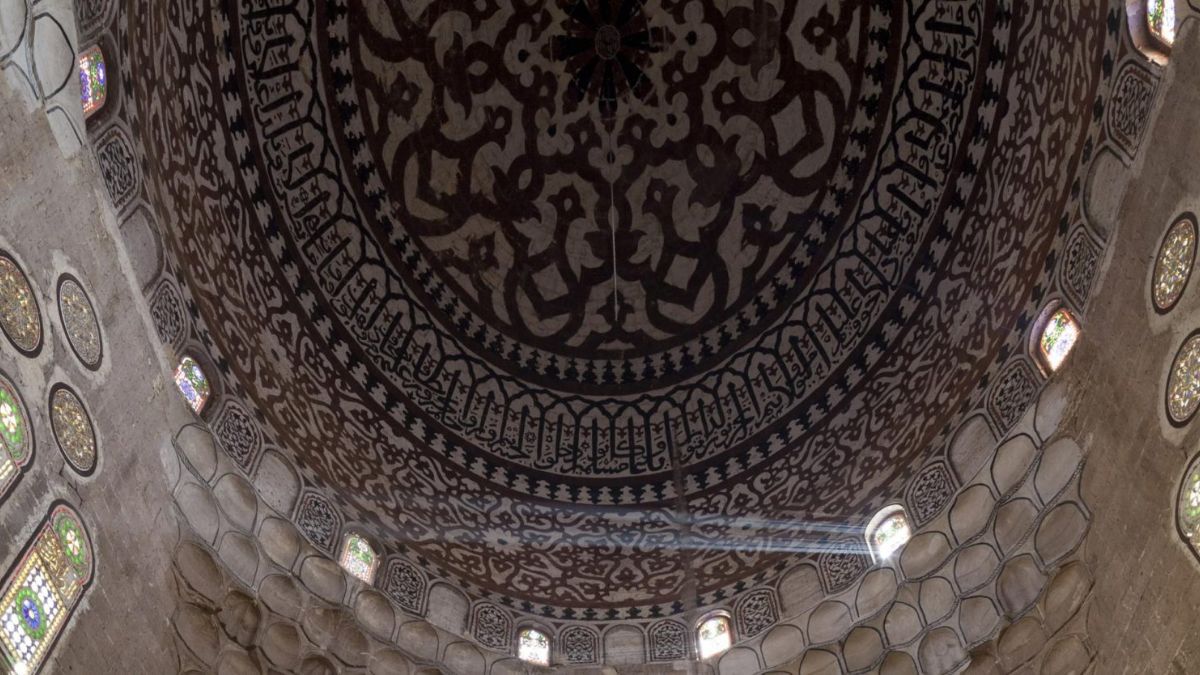
The National Museum of Asian Art has highlighted ‘Beyond Rumi: Sufi Art and Practice’, an online exhibition that examines the geographic reach and artistic diversity of Sufism through an interactive map, recorded performances, scholarly presentations and music. The digital project connects eight sites associated with Sufism, extending from Morocco to Indonesia.
Presented as an exploration rather than a single-object display, the exhibition invites visitors to move between locations and forms of cultural expression. Its materials address poetry, music, visual art and architecture, offering multiple ways to approach a tradition that has often been represented in the United States and Europe through a narrow focus on the Persian poet Jalal al-Din Rumi and the image of whirling dervishes.
The exhibition’s framing stresses that Rumi was one of many spiritual leaders within a religious tradition described by the museum as diverse, dynamic, complex and amorphous. Sufism is generally defined as Islamic mysticism. By organizing the project around sites across a broad geographic span, ‘Beyond Rumi’ places local practices and artistic forms alongside the better-known literary and performance traditions associated with Sufi culture.
The project forms part of the National Museum of Asian Art’s wider focus on the arts of the Islamic world. The museum states that its collection in this area includes more than 2,200 objects, with particular strengths in illustrated manuscripts and ceramics. Its holdings also provide material for online interpretation, including a large brass canteen from mid-thirteenth-century Iraq decorated with Christian imagery and Islamic calligraphy.
That canteen, described by the museum as a major work of Islamic metalwork, is the subject of a separate video produced by Smarthistory and the National Museum of Asian Art. The object’s unusual form and dense surface decoration provide another example of the cross-cultural references and varied artistic histories addressed through the museum’s Islamic art resources, although it is not identified as one of the eight sites in ‘Beyond Rumi’.
Alongside the digital exhibition, the museum’s Islamic art resources include objects from North Africa to Central Asia and materials spanning the advent of Islam in the seventh century through later periods. ‘Beyond Rumi: Sufi Art and Practice’ adds a geographically structured, multimedia component to that programming, with its map, performances, presentations and music available through the exhibition’s online interface.