 Image: Victoria Art Gallery, Bath
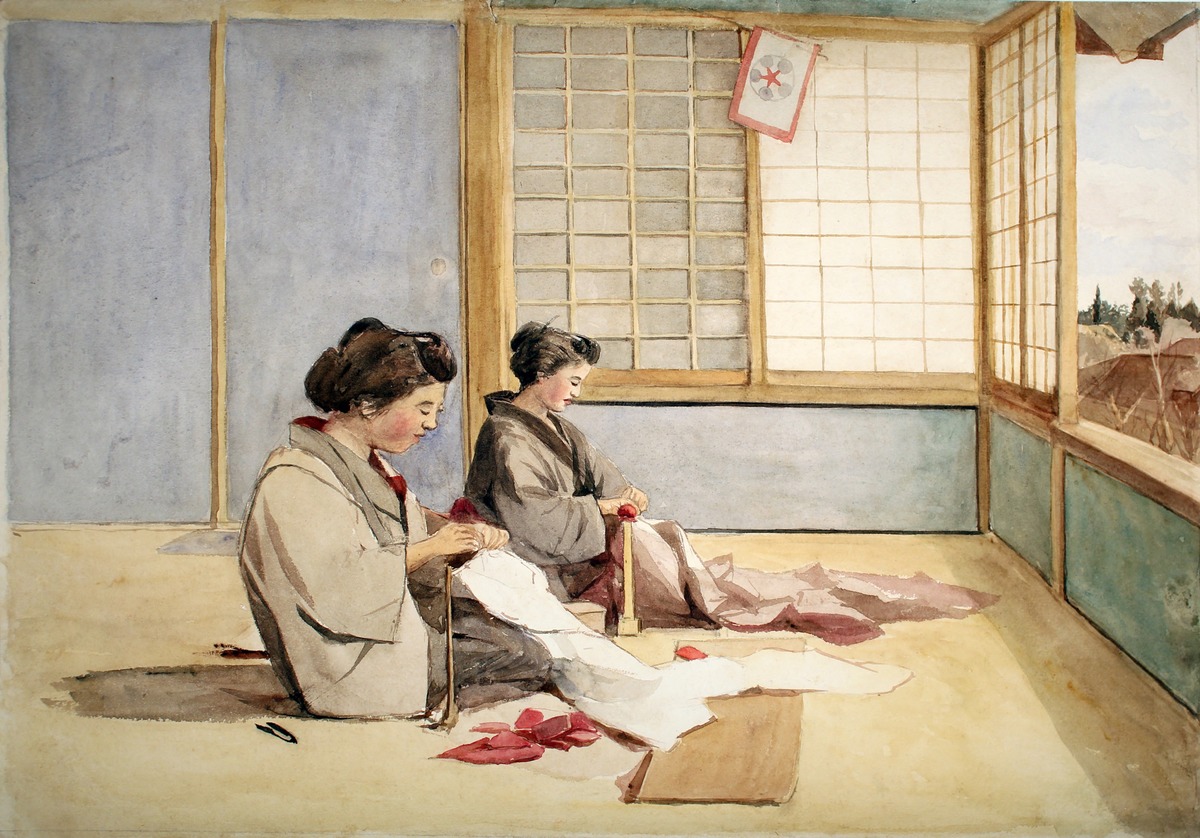
The Victoria Art Gallery in Bath has published a collection spotlight on Adela Catherine Breton, an artist and explorer whose travels in the late 19th and early 20th centuries produced paintings of the places she visited. The feature focuses on ‘Nikko, 1890, a Japanese Work Room’. It was published on 21 August 2026.
Breton is perhaps best known for her archaeological watercolours, according to the gallery’s note. Raised in Bath, she travelled extensively, recording what she encountered along the way through her art. The spotlight presents her practice in relation to both travel and close visual observation, while identifying her as a significant historical figure connected to the city.
Among the work described in the feature are Breton’s watercolour copies of wall paintings from the Upper Temple of Jaguars at Chichen Itza. The temple is part of the archaeological site at Chichen Itza, in present-day Mexico. The copies form part of Breton’s wider record of the sites and subjects she encountered during her travels.
The Japanese subject named in the spotlight, ‘Nikko, 1890, a Japanese Work Room’, adds another location to the range of Breton’s documented work. The source material does not provide further information about the work’s medium, dimensions, provenance, or the circumstances in which it was made, and it does not describe a related exhibition or public programme.
The Victoria Art Gallery is Bath’s public art museum, with holdings and displays spanning paintings, sculpture and decorative arts. Its website describes the City of Bath as having UNESCO World Heritage Site status. The gallery’s collection material places Breton within an institutional setting that brings together historical and contemporary art alongside the city’s broader cultural heritage.
The brief collection note does not give a detailed biography, a full account of Breton’s travels, or additional information about her archaeological studies. It instead offers a concise introduction to an artist associated with Bath and to a work identified by its Japanese setting and 1890 date.